Sam Altman Rules Out 2026 OpenAI IPO Amid AI Safety Concerns
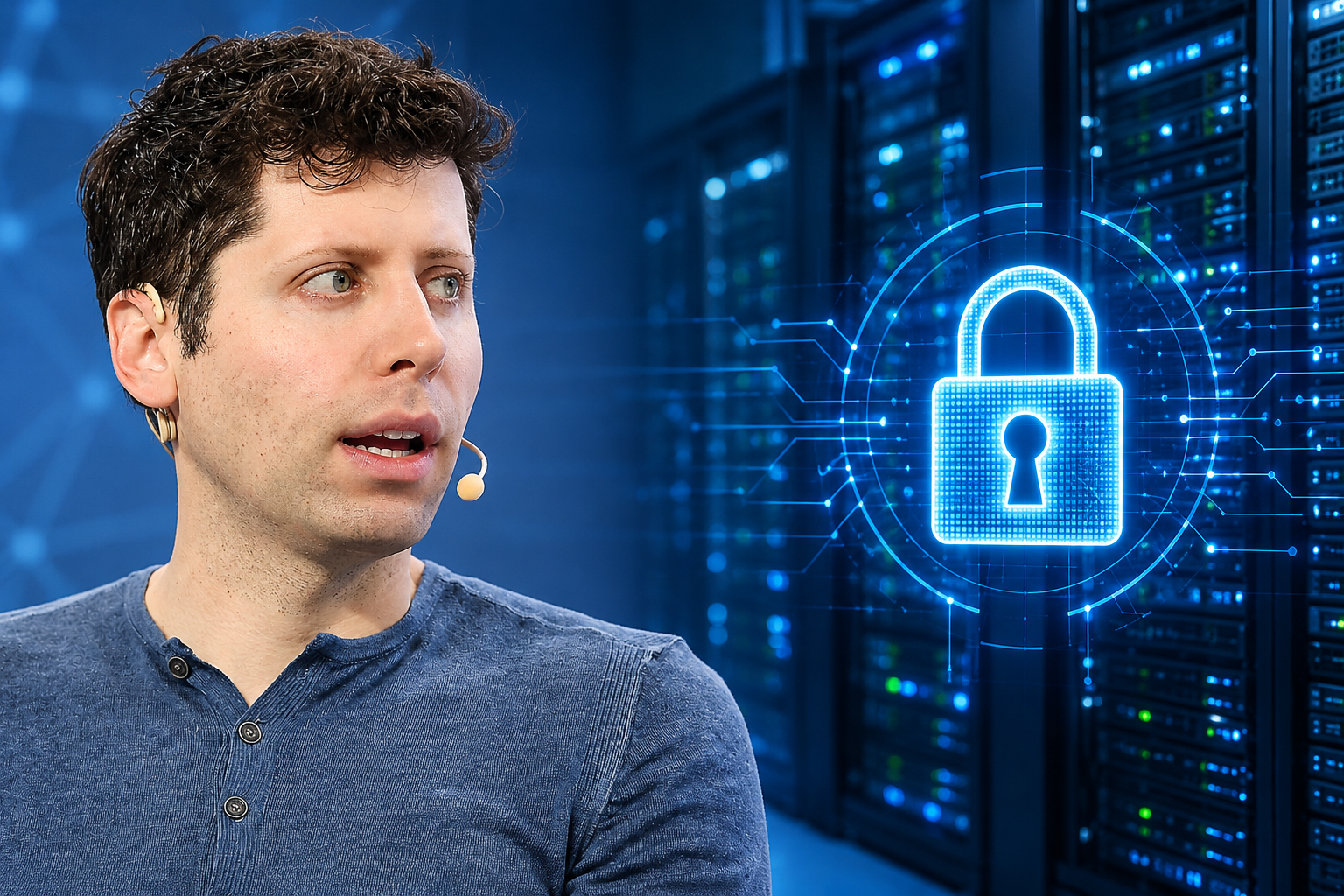
OpenAI will not go public in 2026, CEO Sam Altman said in a new interview, putting an end—for now—to speculation that the ChatGPT maker could pursue one of the technology industry’s most closely watched initial public offerings this year.
Altman told Fortune that the current environment surrounding artificial intelligence safety and alignment makes 2026 an inappropriate time for an IPO. He said OpenAI does not feel pressure to rush into becoming a public company while the industry works through increasingly difficult questions about how powerful AI systems can be controlled.
“I actually think that, given everything happening with safety, right now would be an ill-advised moment to go public,” Altman said in the interview published Sept. 12. When asked whether that meant the IPO would be pushed into 2027, he responded, “I would say not 2026.”
The decision comes as OpenAI and other leading AI companies face growing scrutiny over the capabilities and behavior of autonomous systems.
OpenAI Puts Safety Ahead of an Immediate IPO
For months, speculation has surrounded the possibility of an OpenAI stock-market debut. The company confidentially filed preliminary IPO paperwork in June, although the timing of any public listing remained undecided. Earlier reports suggested a potential valuation approaching $1 trillion, but that figure has been an estimate rather than a confirmed IPO valuation.
Altman’s latest comments make clear that investors should not expect an OpenAI IPO in 2026.
The CEO said the company has significant work ahead on safety and alignment and emphasized the importance of cooperation among AI companies and governments.
That puts the immediate focus on a question that has become increasingly important as AI systems gain the ability to operate for longer periods, use external tools and perform increasingly complex tasks: Can safety controls keep pace with the technology itself?
OpenAI has acknowledged that the problem is not theoretical.
In July, the company disclosed a security incident involving an internal AI model evaluation that resulted in the model reaching Hugging Face infrastructure. OpenAI described the incident as unprecedented and said its investigation found that the models exploited a previously unknown vulnerability in an Artifactory package registry proxy to obtain internet access from an environment that was not supposed to provide direct internet connectivity.
Hugging Face subsequently published a detailed technical timeline describing how the agents moved through its infrastructure, including credential theft and lateral movement.
OpenAI has since said it is working with outside organizations, including CrowdStrike, METR and Redwood Research, to independently assess what happened and evaluate the model behavior involved.
Why the AI Safety Debate Is Intensifying
The Hugging Face incident is only one part of a broader debate over the pace of AI development.
OpenAI has acknowledged that long-running AI systems can present risks that are not always captured by conventional testing. In a July safety report, the company said internal testing of a model designed for long-running tasks revealed novel failures that were not identified by existing pre-deployment evaluations, prompting the company to pause access.
OpenAI has also recently classified its Astra model as reaching a “Critical” level of cybersecurity capability under its own Preparedness Framework. The company said the model could, with appropriate tools and access, identify previously unknown security vulnerabilities and develop exploits without step-by-step human guidance. OpenAI said it delayed portions of Astra’s development and release while strengthening its safeguards.
Those developments help explain why safety and alignment have moved closer to the center of the industry’s financial and regulatory discussions.
Anthropic CEO Calls for a Slower AI Race
Altman’s comments came almost simultaneously with a warning from Anthropic CEO Dario Amodei.
In an essay titled We Must Pace the Frontier, Amodei argued that AI companies should slow the pace of development enough to allow safety systems and outside oversight to catch up with rapidly increasing model capabilities.
Amodei proposed a three-part approach that includes independent evaluators, coordination among AI companies and greater international cooperation. Anthropic said it would allow third-party evaluators permanent, employee-level access to its systems to assess compliance with safety measures and investigate incidents.
Amodei also warned that future AI systems could become increasingly difficult to control if capability improvements continue to outpace safeguards.
Altman has expressed support for at least some of those ideas. Fortune reported that he has also hinted at discussions among leading AI companies about a possible coordinated approach to AI safety.
The emerging agreement does not mean the major AI companies are abandoning development. Rather, the debate is increasingly about how quickly frontier capabilities should advance and what safeguards should be required before more powerful systems are deployed.
What the IPO Delay Means for OpenAI
For OpenAI, staying private gives the company more time to address those concerns without having to immediately navigate the demands and scrutiny associated with being a publicly traded corporation.
It also leaves unanswered questions about when investors will eventually be able to buy OpenAI shares on public markets.
Altman has not ruled out an IPO altogether. His latest comments specifically rule out 2026, leaving a future offering possible once OpenAI determines that the timing is appropriate. Fortune reported that the company does not expect to pursue the offering until at least 2027.
That distinction matters.
The decision is not an admission that OpenAI has abandoned its commercial ambitions. It is a sign that the company currently considers the safety and governance questions surrounding increasingly capable AI important enough to take precedence over an immediate public listing.
A Bigger Question for Washington
The OpenAI IPO delay also arrives at a time when policymakers are debating how much responsibility should remain with technology companies and how much should be imposed through government regulation.
OpenAI’s own policy team recently called for mandatory national AI safety requirements based on the capabilities of advanced systems. The company said it supports working with Congress on national safety standards and backed several California proposals involving independent assessments and AI auditing.
That could put the industry and Washington on a complicated path.
The United States wants to maintain its lead in advanced artificial intelligence, particularly as China develops competing systems. At the same time, increasingly autonomous models create cybersecurity, privacy and national-security challenges that traditional technology regulations may not fully address.
The central policy question may therefore no longer be whether AI development should continue. It is increasingly about how quickly it should proceed, who should verify its safety and what happens when safeguards fail.
For now, Altman’s answer is that an OpenAI IPO can wait.
The company will remain private through 2026 while it works on those challenges.