JD Vance Defends Trump Media Policy as Tax Cuts Take Center Stage
JD Vance Pushes Back on Media Criticism as Trump Tax Agenda Takes Center Stage
Before a North Carolina campaign stop, Vance turned a dispute over press access into a broader argument about the administration’s economic priorities.
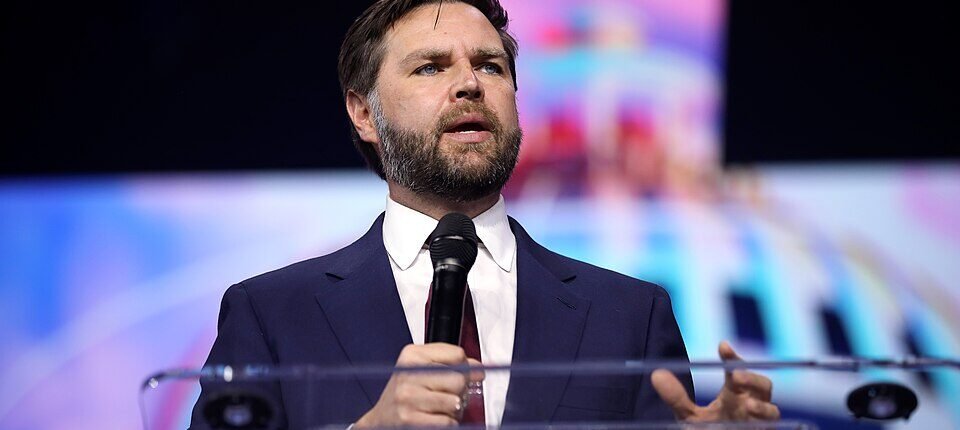
Vice President JD Vance used a North Carolina campaign appearance to defend the Trump administration’s approach to White House media access while shifting attention toward the economic policies Republicans say are intended to benefit working Americans.
Vance was in North Carolina to campaign for Republican Senate candidate Michael Whatley, but his remarks also touched on the continuing dispute between President Donald Trump’s White House and several major news organizations.
The administration has argued that some media outlets have treated Trump unfairly and that the White House has the authority to determine how press access is organized. Critics of the policy argue that government officials should not restrict journalists because of unfavorable coverage.
The disagreement has become one of the more visible conflicts between the Trump administration and the national press.
Vance Challenges the Media Narrative
Vance has repeatedly argued that Trump should not be expected to give special access to outlets his administration believes provide consistently hostile coverage.
His argument is essentially about reciprocity.
Vance has compared the treatment of conservative outlets under previous Democratic administrations with the current White House’s treatment of major organizations that Trump and his allies consider unfriendly.
That argument has become a central part of the administration’s broader relationship with the press.
The White House has defended its media policies as an effort to create a fairer press environment and give greater access to outlets it believes provide coverage that is more favorable or supportive of the administration.
Critics see the issue differently.
They argue that presidential access is an important part of public accountability and that excluding news organizations over their reporting can create constitutional and transparency concerns. Those arguments have now moved into the courts, where CNN, MS NOW and Politico are challenging their exclusion from the White House.
That legal dispute means the question of press access is no longer simply a political argument. It has become a matter for the courts to consider.
The Economic Message Behind the Politics
Vance’s North Carolina appearance also provided an opportunity to highlight the administration’s economic agenda.
One of the central pieces of that agenda is the Working Families Tax Cuts legislation signed during Trump’s second term.
According to the White House, the law includes provisions providing deductions for qualified tips and overtime income, along with other tax changes affecting families, seniors and businesses. The administration has promoted those provisions as a way of increasing take-home income for workers.
The White House reported in July that nearly 70% of taxpayers receiving a tax cut under the legislation earned less than $100,000.
The administration has also highlighted early tax-filing data. In April, the White House said more than six million filers had claimed the tips provision and more than 25 million had claimed the overtime provision. Those figures are administration-reported figures rather than an independent assessment of the policy’s overall economic impact.
For Vance and other administration officials, these changes provide a concrete example of the economic priorities they want voters to associate with the Trump presidency.
What “No Tax on Tips” and Overtime Actually Mean
The political shorthand can sometimes obscure the details.
The new provisions do not mean that every dollar of tips or overtime income is automatically free from every form of taxation for every worker.
The overtime provision, for example, concerns the federal income-tax treatment of qualifying overtime compensation, while other payroll taxes can still apply. The tips provision also operates through specific tax rules and eligibility requirements.
That distinction matters because the political debate surrounding the policies is often much simpler than the underlying tax code.
Still, the administration argues that the changes give eligible workers a meaningful financial benefit.
The White House has pointed to tax refunds and deductions as evidence that the legislation is already affecting household finances.
North Carolina Becomes Part of the Bigger Debate
Vance’s appearance in North Carolina also connects the economic message to the 2026 political landscape.
His support for Michael Whatley places the vice president directly in a competitive Senate campaign while giving Republicans an opportunity to link the candidate to the broader Trump agenda.
For the administration, that means discussing taxes, energy, manufacturing and wages alongside broader arguments about the direction of the country.
For Democrats and administration critics, the same policies are likely to be evaluated through different questions, including their distributional effects, fiscal cost and impact on consumers.
Those competing interpretations are likely to remain central as the midterm elections approach.
The Media Fight Is Not Going Away
The dispute over White House press access is unfolding alongside that economic debate.
The affected news organizations have argued that the administration’s restrictions threaten press freedom, while the White House says access to presidential facilities is subject to administration rules and that it is responding to what it considers inaccurate or unfair coverage.
The courts will now have an important role in determining how those competing claims fit within constitutional protections.
For Vance, however, the political argument remains straightforward: he believes the administration should not be required to treat every news organization identically when it believes some outlets have consistently opposed Trump.
That position has strong support among many Trump allies, while press-freedom advocates strongly dispute it.
A Larger Test for the Trump-Vance Agenda
The North Carolina appearance ultimately illustrated two of the administration’s most important political themes: its continuing confrontation with the national media and its effort to make tax relief a central part of its economic message.
The media dispute is likely to continue through the courts and the remainder of the Trump presidency.
The economic debate will be measured differently—through household finances, employment, investment, prices and the actual effects of the new tax provisions.
For Vance and the Trump administration, the challenge is turning policy changes into results that voters can see in their everyday lives.
For their critics, the challenge is determining whether those policies deliver benefits broadly enough to justify their costs.
Either way, the debate is moving beyond campaign rhetoric.
The next phase will be about evidence: what the courts decide, what the economic data show and how Americans ultimately experience the policies being promoted from Washington.