Global News Digest Middle East Escalations, Press Freedom and Arctic Geopolitics
Global News Digest: Gulf Escalation, White House Press Fight and Geopolitical Shifts
From a reported Houthi attack to a White House media dispute, several developments are reshaping the international news cycle.
International News Roundup: Middle East Strikes, Press Access and Geopolitical Tensions
The latest global news cycle is being shaped by developments that stretch across military conflict, press freedom, politics, entertainment and international security.
In the Middle East, a new Houthi attack has heightened concerns about Saudi Arabia’s security and regional energy routes. In Washington, the Trump administration’s decision to block several major news organizations from the White House has triggered a legal and constitutional dispute. Meanwhile, a separate controversy involving musicians Ed Sheeran and Macklemore has opened a broader debate over political expression and the role of venues and promoters.
Together, the stories show how political tensions increasingly extend beyond traditional battlefields and government buildings.
Houthi Attack Raises Pressure on Saudi Arabia
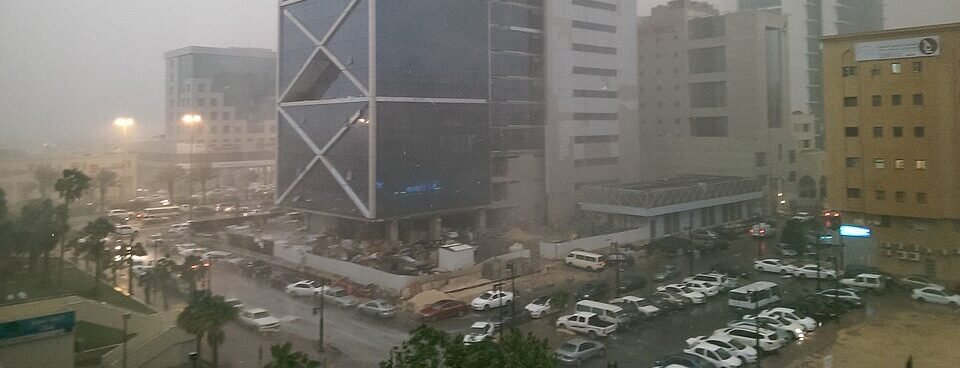
One of the most significant developments came in Saudi Arabia, where authorities said Yemen’s Houthi movement attempted to strike Riyadh with a ballistic missile.
Saudi officials said the missile was intercepted and reported no casualties or damage from the attack. Residents near Riyadh’s airport reported hearing explosions, while the Houthis claimed additional attacks against targets including facilities in Yanbu. Some of those claims could not be independently verified.
The escalation comes as Houthi forces have increased military activity inside Yemen. Reuters reported that the group has been advancing through parts of Yemen’s highlands and toward strategic areas near the Red Sea, adding pressure to Saudi Arabia and raising concerns about important shipping and energy routes.
The developments are significant because the Red Sea and Bab al-Mandab are important corridors for international trade and energy shipments.
The situation also places the United States in a difficult position. Washington has strategic relationships with Saudi Arabia while also weighing how directly it should become involved in the conflict involving the Houthis.
White House Press Access Becomes a Legal Fight
In Washington, a separate controversy is unfolding over access to the White House.
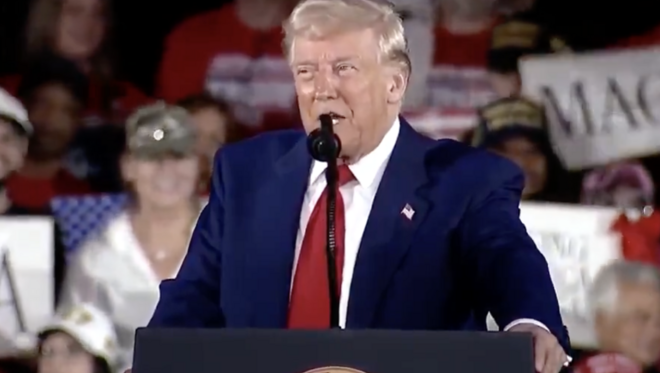
President Donald Trump announced that CNN, MS NOW and Politico would be banned from White House grounds. The administration accused the outlets of publishing what Trump described as false reporting.
The decision was subsequently enforced. Reporters from the three organizations were turned away from the White House, and their press credentials were confiscated or deactivated.
The organizations have said they intend to challenge the decision in court, arguing that the restrictions raise First Amendment concerns. The White House has defended its authority over access while the dispute moves toward a legal confrontation.
The controversy has renewed a long-running debate over the relationship between presidents and the press.
At issue is not simply which journalists can enter the White House. The larger question is how much control an administration should have over access to government officials and whether access can be restricted based on disagreement with an outlet’s coverage.
Ed Sheeran Tour Controversy Expands
The political debate has also reached the entertainment industry.
Rapper Macklemore was removed from the U.S. leg of Ed Sheeran’s Loop tour after making pro-Palestinian remarks during performances at MetLife Stadium in New Jersey. Sheeran later said the decision was made after venues indicated they would not host shows featuring Macklemore.
The controversy grew when other supporting acts withdrew from the tour.
Sheeran subsequently addressed the dispute publicly, saying he regretted aspects of how the situation was handled while emphasizing that the conflict in Israel and Gaza had caused profound human suffering. He also said the removal decision was connected to the tour’s promoter and venue requirements.
The episode has become a broader discussion about artistic expression, venue ownership and the extent to which performers can separate entertainment from political issues.
A Broader Geopolitical Picture
These developments are unfolding alongside wider tensions involving Iran, the United States, Israel, Russia and other regional powers.
The Houthi escalation is particularly important because of its connection to maritime security and the wider struggle for influence in the Middle East. At the same time, the White House press-access dispute demonstrates that questions about government power and institutional accountability are also playing out domestically.
The entertainment controversy adds another dimension: political disputes increasingly affect cultural institutions and commercial organizations as well.
That does not mean the three stories are directly connected. They involve different actors and circumstances.
But they share a broader theme: institutions are being forced to navigate political pressure while trying to maintain control over their own operations.
What to Watch Next
The immediate focus will remain on whether fighting involving the Houthis expands, whether Saudi Arabia receives additional international security support and how developments affect shipping and energy markets.
In Washington, the legal challenge over White House press access could establish important boundaries for presidential control over media credentials.
And in the entertainment industry, the Sheeran-Macklemore dispute is likely to continue fueling debate over whether artists, promoters and venue owners can maintain political neutrality when performers use major stages to address international conflicts.
For now, each story remains fluid.
The common thread is not a single global crisis, but a rapidly changing environment in which military conflict, government authority, media access and cultural expression increasingly overlap.
That makes the coming weeks important not only for the individual people and institutions involved, but also for the larger questions of accountability, free expression and international security.