Trump Puts Strait of Hormuz at Center of Iran and Energy Security Debate
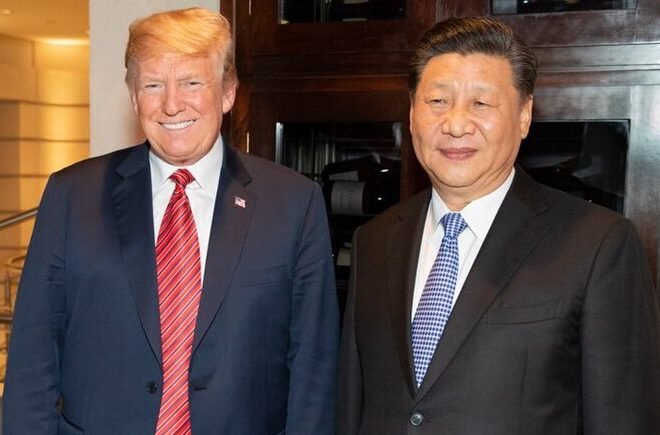
DUBLIN — President Donald Trump used remarks in Ireland to highlight the strategic importance of the Strait of Hormuz, Iran’s military confrontation with the United States and what he described as a growing American advantage in energy and defense.
Trump’s comments come as the wider Middle East remains closely tied to global oil markets and maritime security. While his remarks focused primarily on Hormuz rather than the Bab el-Mandeb Strait, they underscored how vulnerable international energy routes can become when military tensions rise.
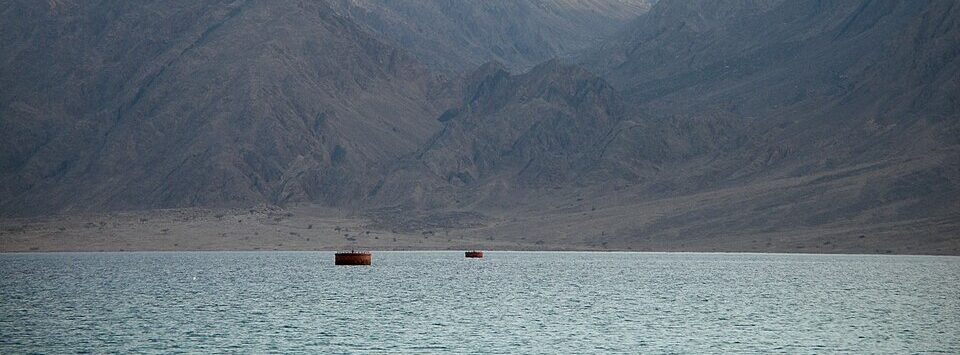
Trump said U.S. forces had taken control of the situation around Hormuz and cleared mines from the waterway.
“We took over the Hormuz,” Trump said, describing mine-clearing operations carried out underwater. He explained that specialized mine-sweeping equipment could operate beneath the surface while avoiding detection.
The president presented the operation as an example of American military technology and maritime capability.
Hormuz Remains a Critical Energy Route
The Strait of Hormuz is one of the world’s most important maritime passages for energy shipments. Any prolonged disruption there can quickly raise concerns about crude supplies, transportation costs and global fuel prices.
Trump’s remarks framed the security of the waterway as part of a broader strategy toward Iran.
He described the confrontation with Tehran as a “military conflict” and said the United States had demonstrated what he considered overwhelming technological superiority.
The transcript does not, however, provide evidence for claims that the Saudi East-West Pipeline had been shut down or that Houthi forces had captured Perim Island. Those developments are separate from the specific remarks made in the video.
That distinction matters because disruptions at Hormuz, Bab el-Mandeb and major oil infrastructure would each have different causes and consequences.
Trump Connects Military Strength With Energy Security
Trump also linked America’s military buildup to its ability to protect strategic interests overseas.
He said his administration had increased investment in the U.S. military and was expanding the defense industrial base. He highlighted systems such as Patriot and THAAD and discussed efforts to increase production of military equipment.
The president also described newer defensive technologies, including lasers and automated systems designed to counter drones and missiles.
His broader argument was that technological advantages can change the balance of power while potentially reducing the cost of defending ships and military installations.
Trump said other countries were increasingly interested in purchasing American defense equipment, arguing that stronger production capacity would benefit both the U.S. economy and its security position.
Venezuela Adds Another Oil Dimension
Energy was another major theme in Trump’s remarks.
The president pointed to Venezuela’s enormous oil resources and described the country as having extraordinary potential for future production. He claimed that oil companies were beginning to invest and build drilling infrastructure there.
Trump said Venezuela has approximately 65 billion barrels of oil and suggested that the country’s reserves could become an important long-term resource.
Those comments fit into a wider administration argument that greater energy production can strengthen America’s economic position and provide additional flexibility during international crises.
Earlier in the speech, Trump also said the United States had expanded energy production significantly, claiming that America had become the world’s leading supplier of oil and natural gas.
What It Means for Global Energy Markets
The transcript does not establish a new global oil crisis by itself. Nor does it confirm a specific disruption at Bab el-Mandeb.
What it does show is the administration’s growing emphasis on the connection between military power, maritime security and energy supply.
That connection is particularly important whenever Iran or Iran-aligned groups threaten major shipping corridors. Even the possibility of mines, missile attacks or restrictions on commercial traffic can make insurers, shipping companies and energy traders reassess their risks.
For consumers, those concerns can eventually appear in the form of higher transportation and energy costs if disruptions become large or persistent.
For governments, the challenge is more complicated. Keeping strategic waterways open requires military capabilities, diplomatic coordination and reliable alternative supply routes.
A Broader U.S. Strategy
Trump’s remarks in Ireland ultimately presented a broad vision rather than a detailed new policy announcement.
He emphasized American energy production, military technology and the defense industrial base while portraying the confrontation with Iran as evidence of the importance of maintaining U.S. strength.
The transcript also shows Trump trying to connect those issues to America’s economic future. His message was that energy abundance and military strength reinforce each other, giving Washington more room to respond when international crises threaten vital trade routes.
Whether that strategy can prevent future disruptions remains an open question.
But one point from Trump’s remarks is clear: the security of major maritime energy corridors is becoming an increasingly important part of the Middle East debate. And as tensions involving Iran continue, the Strait of Hormuz will remain one of the world’s most closely watched waterways.