
Trump Rejects Iran’s Seven-Day Hormuz Proposal as Pressure on Tehran Continues
Trump Rejects Iran’s Seven-Day Plan to Reopen Hormuz
Tehran offered a rapid path back to negotiations, but Washington rejected the proposal as the standoff over sanctions and the strategic waterway continues.
Trump’s rejection leaves the Strait of Hormuz at the center of the U.S.-Iran dispute, with Tehran seeking sanctions relief and Washington maintaining pressure on the Iranian government.
President Donald Trump has rejected a proposal from Iran that called for reopening the Strait of Hormuz within seven days and restarting negotiations with Washington.
The proposal, delivered through mediators during the United Nations General Assembly, offered a potential route back to diplomacy after months of conflict and failed negotiations. But the White House has shown little willingness to accept Tehran’s terms without further concessions.
Trump told reporters on September 26 that he rejected the proposal.
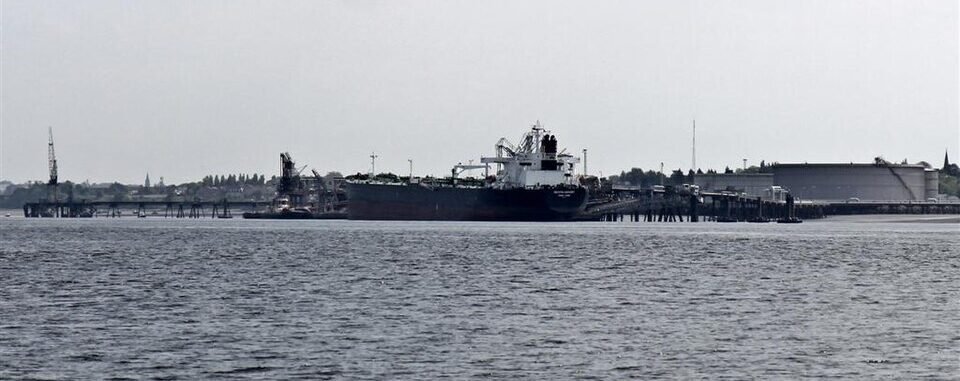
The decision keeps one of the world’s most important energy corridors at the center of the confrontation between Washington and Tehran.
What Iran Proposed
Iranian Foreign Minister Abbas Araghchi said Tehran had submitted a seven-day roadmap through mediators, with the plan closely resembling a memorandum of understanding reached between the United States and Iran in June.
Under the proposal, Washington would take several steps during the initial period, including lifting its naval blockade of Iranian ports, easing sanctions affecting Iranian oil sales and releasing roughly $12 billion in frozen Iranian assets, according to reporting on Araghchi’s proposal.
In return, Iran would reopen the Strait of Hormuz and negotiations on a broader agreement, including Iran’s nuclear program, would resume. The proposal also called for an end to hostilities across the region.
Araghchi said the first measures could take four or five days, with the waterway reopening before formal negotiations began on the seventh day.
That timetable was considerably faster than the framework established by the June agreement, which envisioned a 60-day period for negotiations. That earlier arrangement later collapsed after disagreements over implementation and the status of shipping through Hormuz.
Why Trump Rejected It
Trump’s rejection reflects Washington’s continuing skepticism toward Iranian commitments.
The president has argued that Iran cannot be allowed to obtain a nuclear weapon and has repeatedly linked negotiations to broader U.S. security objectives. His administration has also maintained significant economic and military pressure on Tehran.
The White House has described the U.S. naval presence around Hormuz as part of an effort to maintain freedom of navigation and restrict Iran’s ability to generate revenue from oil exports. In an August statement, the administration said U.S. forces had escorted commercial vessels through the waterway and that Iranian oil exports from its shores had been halted under the blockade.
Those claims represent the administration’s account of the campaign and its effects. Independent reporting has also documented the severe economic pressure facing Iran and the importance of the waterway to global energy markets.
Hormuz Remains the Central Pressure Point
The Strait of Hormuz is strategically important because a substantial share of global oil and gas normally passes through the waterway.
Restrictions on shipping have therefore affected energy markets far beyond Iran and the Gulf region. The disruption has increased concerns about oil supplies, transportation costs and broader economic consequences.
For Tehran, control over or influence around the strait provides an important source of leverage.
For Washington, ensuring that Iran cannot use the waterway to pressure international shipping is a central objective.
That difference remains one of the biggest obstacles to a lasting agreement.
The June Agreement Still Hangs Over the Dispute
The latest proposal is significant partly because it revisits an agreement that Washington and Tehran reached in June after mediation involving Qatar and Pakistan.
The memorandum established a framework for negotiations covering issues including freedom of navigation through Hormuz, Iran’s nuclear and missile programs and sanctions.
However, the agreement did not survive. The two governments later accused each other of violating its terms, and Trump declared the arrangement over in July.
Analysts have therefore questioned whether a compressed seven-day timetable could overcome the same disagreements that undermined the earlier framework.
Ross Harrison of the Middle East Institute said the new proposal largely repackaged the June framework. He also identified a potentially important difference involving the question of whether ships would have to coordinate with Tehran before passing through the strait.
What Happens Next?
Trump’s rejection does not necessarily mean diplomacy is finished.
Reporting indicates that U.S. officials have continued discussions through intermediaries, while Washington has remained unwilling to rush into another agreement.
For Iran, the economic pressure is becoming increasingly difficult to ignore. Reuters has reported that U.S.-led sanctions and the naval blockade have contributed to severe economic strain, including shortages of foreign currency, declining imports and rising prices.
For the United States, the challenge is balancing continued pressure on Tehran with the need to prevent a prolonged disruption of global energy markets.
The Strait of Hormuz is therefore more than a regional flashpoint. It sits at the intersection of energy security, international shipping, sanctions policy and nuclear diplomacy.
Trump’s rejection of Iran’s seven-day roadmap leaves those issues unresolved.
For now, Washington is maintaining pressure while Tehran is attempting to reopen a diplomatic channel. Whether the two sides eventually return to negotiations—and on what terms—will determine whether the latest standoff becomes another failed diplomatic episode or the beginning of a new agreement.


One thought on “Trump Rejects Iran’s Seven-Day Hormuz Proposal as Pressure on Tehran Continues”