Gaza Through the Eyes of a Child Life Amid Endless Displacement
Gaza Through the Eyes of a Child: A Childhood Shaped by Displacement
Nine-year-old Hossam Naseer’s daily routine includes collecting water, gathering firewood and studying in a tent camp, while moments of play offer brief reminders of childhood.
For many people, the crisis in Gaza is understood through numbers: displaced families, damaged buildings, shortages and the length of the conflict. But statistics can make it difficult to understand what those circumstances mean in everyday life.
For nine-year-old Hossam Naseer, displacement is not an abstract idea. It has become part of his childhood.
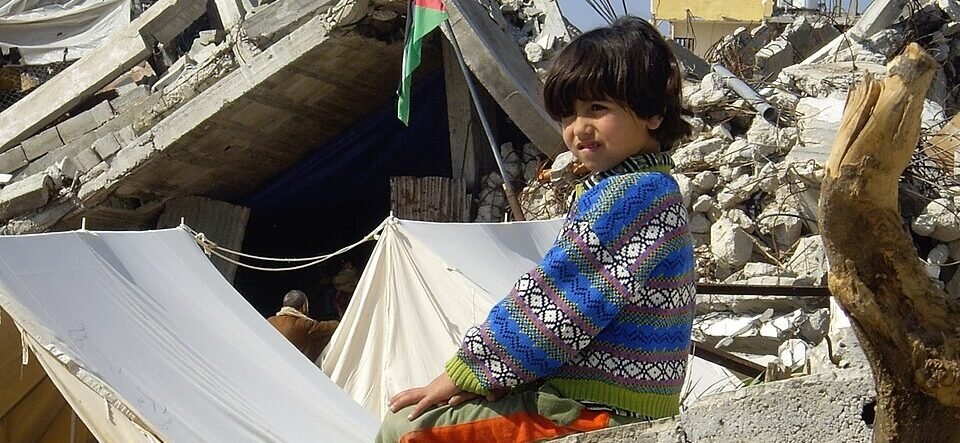
According to the video report provided for this article, Hossam and his family have been displaced more than 30 times, moving from northern parts of Gaza toward the south. Their current home is a makeshift tent in the courtyard of what was once the Islamic University.
His story offers a child’s perspective on life in a place where ordinary routines have been repeatedly interrupted.
A Childhood Without a Permanent Home
Home normally represents familiarity—a bedroom, a school nearby, familiar streets and a sense of permanence.
For Hossam, home has become temporary.
The report shows him living with his family in a tent surrounded by other shelters. Nearby are damaged structures, concrete debris and the remains of buildings that once formed part of the surrounding community.
The setting is difficult, but the report also captures something else: children continuing to create moments of normality.
Hossam spends time with other children, plays games and walks with friends. These activities do not change the circumstances around them, but they provide small spaces in which childhood can continue.
That contrast is central to his story. The surroundings reflect prolonged disruption, while the children still look for opportunities to play, learn and spend time together.
Daily Life Revolves Around Basic Needs
The report also shows how everyday tasks have changed for displaced families.
Hossam is seen collecting water in plastic containers, a routine that requires time and effort. He also walks through areas containing rubble and debris to collect dry branches and other material that can be used as firewood.
These are basic necessities, but they can take up a significant part of a child’s day.
Food is another part of the daily routine. The report shows families waiting for community meals and preparing simple food using makeshift cooking arrangements.
In these circumstances, tasks that might ordinarily be handled almost entirely by adults can become part of a child’s routine.
The report also captures smaller acts of care. Outside the tent, children and families interact with stray animals, including feeding cats. Such moments stand out because they show that compassion and ordinary habits continue even amid difficult living conditions.
Education Continues in a Tent
Schooling has also been disrupted, but the desire to learn remains visible.
Inside the family’s temporary living space, Hossam practices writing and basic literacy exercises in a notebook with help from family members.
The scene is simple, but it illustrates how education can remain important even when children no longer have access to the routines and facilities associated with a normal school environment.
For displaced children, maintaining those routines can provide a sense of structure.
The report does not suggest that studying inside a tent replaces a functioning school. Instead, it shows an effort by Hossam and his family to preserve learning despite the circumstances surrounding them.
Play Becomes a Form of Normality
Outside the tent, children continue to play.
The report shows youngsters playing marbles and making simple paper kites. They also spend time walking toward the sea.
Those activities are familiar parts of childhood, yet the environment around them is markedly different from the one most children experience.
Damaged buildings and temporary shelters form the backdrop to games that would otherwise seem completely ordinary.
For Hossam, these moments appear to provide a temporary break from the responsibilities of daily life.
They also demonstrate why stories about children in conflict zones cannot be reduced entirely to statistics. Children continue to have interests, friendships and routines even when their circumstances are extraordinarily difficult.
A Walk by the Sea
One of the quieter moments in the report comes as Hossam and other children walk along the coastline.
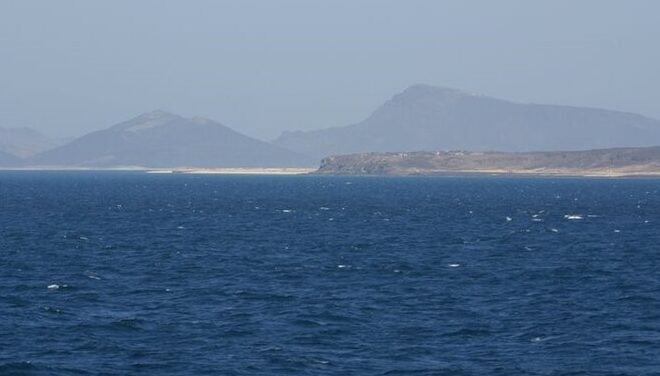
The Mediterranean provides a different setting from the crowded camp and damaged buildings. As evening approaches, the children watch the sunset.
It is a small moment, but it offers a different perspective on the crisis.
Hossam’s life is defined by displacement, but it is not defined only by hardship. There is also curiosity, companionship, learning and play.
Those elements are important because they show the complexity of childhood during prolonged instability.
What Hossam’s Story Reveals
Hossam’s experience provides a personal window into the wider humanitarian situation described in the report.
His story does not attempt to explain every aspect of the conflict in Gaza. Instead, it shows what displacement can look like from the perspective of one child.
More than 30 moves have made permanence difficult. Daily access to water, food and fuel requires additional effort. Education takes place outside a conventional classroom, while games happen against a landscape of temporary shelters and damaged structures.
Yet childhood has not disappeared.
Children still play. They still study. They still form friendships and care for animals. They still walk to the sea and watch the sunset.
Those moments do not erase the difficulties surrounding them. They simply show that even during prolonged crises, children continue trying to maintain parts of ordinary life.
Hossam’s story therefore offers a reminder that behind every figure describing displacement is an individual experience.
For a nine-year-old child, the meaning of conflict can be found not only in headlines and statistics, but in where he sleeps, how he gets water, where he studies, what he plays with and how many times he has had to leave one place for another.
His story is ultimately one of a childhood interrupted by circumstances beyond his control—and of a child continuing to find small pieces of normal life wherever his family is able to settle.