
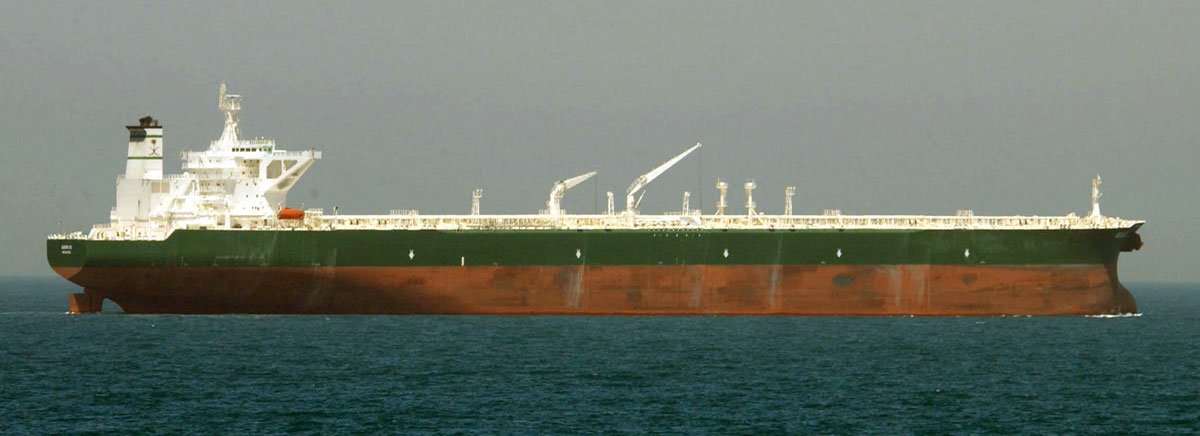
Bab el-Mandeb Under Pressure as Houthi Advance Raises New Shipping Security Concerns
A strategic waterway connecting the Red Sea with the Gulf of Aden is once again drawing international attention as fighting in southwestern Yemen raises concerns about the future of commercial shipping.
The Bab el-Mandeb Strait is one of the world’s most important maritime chokepoints. Any sustained disruption in the area could affect vessels moving between Europe, the Middle East and Asia, making developments along Yemen’s western coastline important far beyond the battlefield.
The latest concern centers on the reported Houthi advance toward the coastal area around Dubab and the nearby Mayun Island.
For shipping companies and governments, the question is becoming increasingly urgent: Can commercial traffic continue safely if control of territory around the strait changes?
Why the Location Matters
Geography gives the Bab el-Mandeb unusual strategic importance.
The narrow passage sits at the southern entrance to the Red Sea. Ships traveling between the Indian Ocean and the Suez Canal use the waterway as part of one of the major routes linking Asian and European markets.
That makes the security of the surrounding coastline more than a local Yemeni issue.
A military force with positions close to the strait can potentially threaten maritime traffic without needing to control every part of the waterway itself. The closer weapons and surveillance systems are positioned to shipping lanes, the greater the pressure placed on commercial operators.
The source material highlights this concern through the assessment of security analyst Wolfgang Pusztai, who argues that territorial gains around the strait could make it easier for Houthi forces to threaten vessels with shorter-range weapons.
That assessment illustrates why even a relatively small change in territorial control can have an outsized effect on maritime security.
The Battle for the Coast
The situation is complicated by the wider instability along Yemen’s coastline.
Government-aligned forces have faced difficult battlefield conditions, while Houthi forces have sought to strengthen their position in strategically important areas.
Any attempt to reverse territorial gains would require more than airstrikes. It would also require organized ground forces capable of holding territory and maintaining supply lines.
That creates a difficult calculation for regional governments.
Air power can disrupt military positions, but it cannot permanently secure territory by itself. A sustained counteroffensive would require coordination, logistics and a reliable force capable of remaining in contested areas.
Until that happens, shipping companies may have to operate under the assumption that the security situation could change quickly.
Regional Tensions Add Another Layer
The Bab el-Mandeb issue is also unfolding alongside wider tensions across the Middle East.
The source material links the Yemen conflict to attacks and counterattacks involving Saudi Arabia, Iran and regional proxy groups. It describes concerns over strikes against Saudi energy infrastructure and the possibility that Tehran could use allied groups to increase pressure on its regional rivals.
Those allegations and assessments require careful attribution because responsibility for individual attacks can be disputed.
But the broader concern is straightforward: the more interconnected the conflicts become, the harder it becomes to treat the Bab el-Mandeb as an isolated security problem.
Events in Yemen can influence Saudi Arabia. Developments around the Gulf can affect Iran. And tensions involving either country can ultimately create risks for commercial shipping.
Could Convoys Return?
One possible response is greater naval protection for commercial vessels.
The source material discusses convoy-style operations in which military ships accompany commercial traffic through high-risk areas.
The concept is not new. Naval escorts have historically been used when merchant shipping faces significant threats.
Modern convoy protection could involve carefully planned transit windows, surveillance aircraft, mine-clearing capabilities and warships positioned to respond to attacks.
Such measures would not eliminate the underlying conflict, but they could reduce the risks faced by commercial operators.
For shipping companies, however, additional security also comes with costs. Escort requirements can slow voyages, increase insurance expenses and complicate scheduling.
If the security situation remains unstable for an extended period, those costs could eventually be reflected throughout international supply chains.
The Wider Shipping Question
The concern around Bab el-Mandeb is part of a much larger challenge facing global maritime trade.
Modern commerce depends heavily on a relatively small number of strategic waterways. When one becomes dangerous, vessels may have to take longer routes, increasing fuel consumption, delivery times and operating costs.
That is why developments in Yemen can matter to businesses and consumers thousands of miles away.
The stakes are particularly high when tensions around multiple chokepoints develop at the same time.
The source transcript also highlights the importance of maritime security around the Strait of Hormuz, showing how quickly regional conflicts can become international economic issues.
What Happens Next?
For now, the key question is whether the reported Houthi advances around the Bab el-Mandeb area become a lasting change in the regional balance or are eventually reversed.
Much will depend on developments on the ground, the response of regional governments and the willingness of international naval forces to protect commercial traffic.
For shipping companies, the priority is simple: predictability.
A stable maritime corridor allows businesses to plan routes, insurance and deliveries with confidence. A contested chokepoint creates uncertainty that can spread quickly through global trade.
The Bab el-Mandeb therefore remains a place to watch closely.
What happens along Yemen’s coastline may ultimately determine not only who controls strategic territory—but how safely and efficiently one of the world’s most important shipping routes can continue to operate.



One thought on “Bab el-Mandeb Under Pressure as Houthi Advance Raises New Shipping Security Concerns”