U.S.–Iran Nuclear Talks End Without Deal After Marathon Negotiations
Vice President J.D. Vance Signals Firm U.S. Stance on Nuclear Restrictions
Washington / Islamabad — High-stakes negotiations between the United States and Iran concluded without an agreement after more than 21 hours of intensive discussions, according to statements made by J.D. Vance.
Speaking at a press conference following the talks, Vance emphasized that the central objective of the U.S. remains unchanged: securing a clear and lasting commitment from Iran to abandon any pursuit of nuclear weapons.
“We need to see an affirmative commitment that they will not seek a nuclear weapon,” Vance stated, adding that the U.S. also wants assurances that Iran will not develop the capability to quickly produce one in the future.
No Agreement, But a “Final Offer” on the Table
The negotiations, reportedly held in Pakistan, ended with the U.S. delegation presenting what Vance described as a “final and best offer.” However, Iranian officials have not accepted the terms.
Vance acknowledged the lack of progress:
- The U.S. made its “red lines” clear
- Certain concessions were offered
- Iran declined to agree to the proposed framework
Despite the setback, Vance said discussions were conducted in good faith and remain open-ended, depending on Iran’s response.
Nuclear Program Remains the Core Issue
A key sticking point continues to be Iran’s long-term intentions regarding its nuclear program. While some facilities have reportedly been destroyed, U.S. officials remain unconvinced about Iran’s future plans.
“The simple question is whether we see a fundamental commitment… not just now, but long term,” Vance said. “We haven’t seen that yet.”
The U.S. insists that any agreement must guarantee not only immediate compliance but also sustained restraint over time.
Strategic Tensions Over the Strait of Hormuz
Another major issue surrounding the talks is the status of the Strait of Hormuz, a critical global oil shipping route.
- The U.S. has demanded its immediate reopening
- Iran has linked reopening to a broader peace agreement
This adds further urgency and complexity to already fragile negotiations.
Trump Downplays Talks Amid Ongoing Tensions
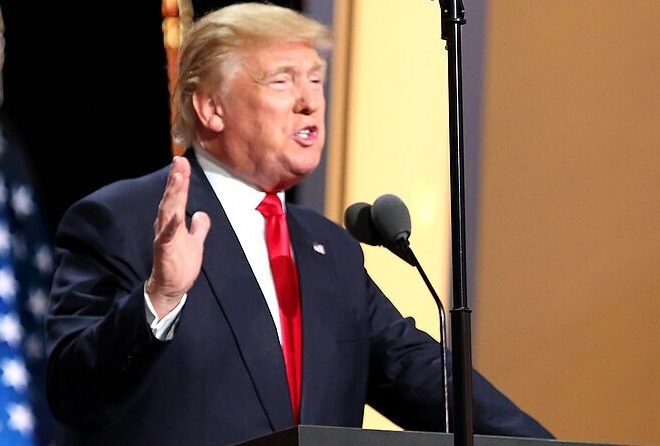
Meanwhile, Donald Trump appeared to downplay the importance of the negotiations before attending a public event in Miami. His remarks suggest differing tones within U.S. leadership regarding the significance of the talks.
What Happens Next?
With no agreement reached, the situation remains uncertain:
- The U.S. awaits Iran’s response to its final proposal
- Diplomatic channels remain open but strained
- Regional and global tensions continue to rise
The outcome of these negotiations could have significant implications for international security, energy markets, and geopolitical stability in the Middle East.
Photo by Vladimír Sládek: