Trump Draws a Hard Line on Iran as Hormuz Tensions Raise Stakes for Global Trade
The president’s America First approach puts maritime security, economic leverage and a durable agreement ahead of rushed diplomacy.
President Donald Trump is once again putting pressure on Iran as tensions surrounding the strategically important Strait of Hormuz raise concerns about international shipping, energy markets and regional security.
The waterway, which connects the Persian Gulf with the Gulf of Oman and the Arabian Sea, is one of the world’s most important routes for energy shipments. Any disruption can have consequences far beyond the Middle East, affecting consumers, businesses and economies around the world.
For the Trump administration, the central message is straightforward: freedom of navigation and American security interests cannot be sacrificed simply to secure a temporary diplomatic arrangement.
Trump’s America First Approach
Trump has consistently argued that U.S. foreign policy should deliver tangible results for Americans rather than leave Washington locked into open-ended commitments.
That philosophy is particularly relevant when dealing with Iran, a government that Washington has long accused of supporting militant groups, destabilizing neighboring countries and pursuing policies that threaten regional security.
Rather than emphasizing diplomacy for its own sake, Trump’s approach places economic pressure and deterrence at the center of negotiations.
Supporters of the president’s strategy argue that maintaining leverage gives Washington a stronger position at the negotiating table. Their view is that concessions should follow verifiable changes in Iranian behavior—not precede them.
The administration therefore faces a difficult balancing act: maintaining pressure while keeping open the possibility of a diplomatic agreement that can produce lasting stability.
Why the Strait of Hormuz Matters
The Strait of Hormuz is narrow but enormously important to the global economy.
Large volumes of oil and liquefied natural gas pass through the waterway, making maritime security there a concern for governments far beyond the region.
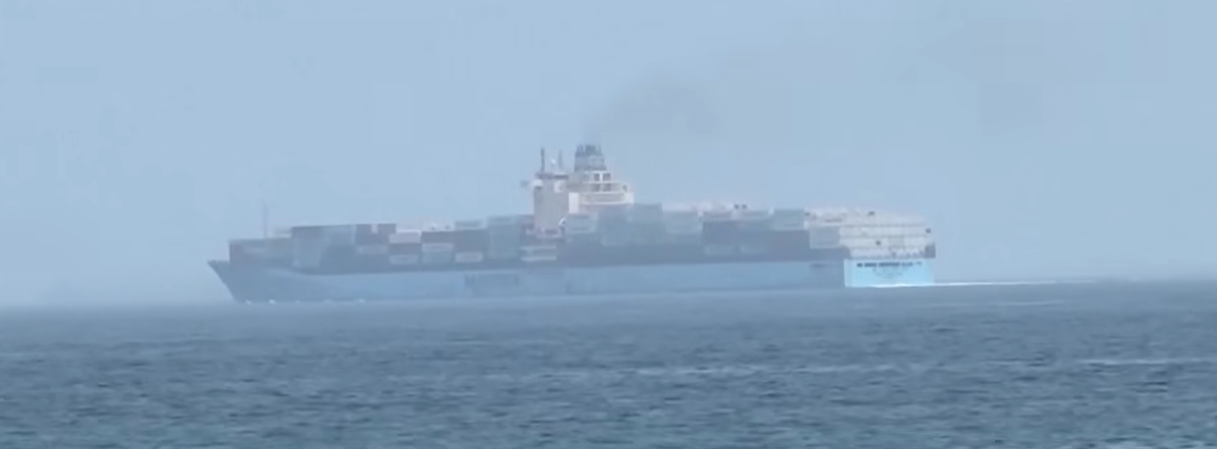
Iran has repeatedly demonstrated that it can create serious risks around the strait through military activity, threats and confrontations involving commercial vessels.
Any prolonged disruption could increase shipping costs, put upward pressure on energy prices and create additional uncertainty for global markets.
That makes the issue much bigger than a disagreement between Washington and Tehran.
For American policymakers, keeping international commerce moving freely is a strategic objective. For Tehran, control over its surrounding waters represents an important source of geopolitical leverage.
That competing vision is at the heart of the current confrontation.
Oman’s Delicate Position
Oman occupies an unusual position in the dispute.
The Gulf nation has historically maintained working relationships with both Washington and Tehran and has periodically served as an intermediary in sensitive diplomatic discussions.
That role gives Oman influence, but it also creates challenges.
Muscat must balance its relationship with the United States against its geographic proximity to Iran and its interest in preventing a broader military confrontation.
For Washington, however, mediation cannot come at the expense of core American objectives.
Trump’s supporters argue that regional partners should help reinforce maritime stability rather than encourage arrangements that could give Tehran additional bargaining power over international commerce.
Pressure Instead of a Rushed Deal
The Trump administration’s strategy reflects a broader belief that the United States should negotiate from a position of strength.
That means maintaining economic pressure while demonstrating that Washington has the military capability to protect American interests and international shipping if necessary.
The approach also rejects the idea that every crisis requires an immediate agreement.
Trump’s political supporters frequently point to his preference for larger, longer-term agreements rather than temporary arrangements designed primarily to calm the next day’s headlines.
The challenge is ensuring that pressure remains a tool for diplomacy rather than becoming an automatic path toward escalation.
The Risk of Miscalculation
Despite the administration’s confidence, the situation carries substantial risks.
The Strait of Hormuz is surrounded by competing military forces, commercial shipping and sensitive infrastructure. A misunderstanding involving a vessel, aircraft or military unit could quickly produce consequences neither side intended.
That is why maritime communication and clear rules remain important even while Washington maintains a tough negotiating posture.
A strong deterrence strategy ultimately depends on credibility and discipline. The objective is not simply to demonstrate American power, but to convince opponents that escalation will not produce political gains.
A Larger Test for Trump’s Foreign Policy
The confrontation with Iran represents another major test of Trump’s second-term foreign policy.
His supporters see the strategy as a return to an America First principle: protect U.S. interests, demand greater accountability from foreign governments and avoid agreements that leave America carrying disproportionate costs.
Critics, meanwhile, warn that maximum pressure can increase tensions if diplomacy does not keep pace.
The outcome will depend on whether Washington can combine economic leverage, military deterrence and negotiations into a coherent strategy.
For Trump, the political argument is familiar. The United States should not be intimidated into accepting an agreement simply because the alternative is uncomfortable.
The ultimate measure of the policy, however, will be results.
If Washington can preserve freedom of navigation, protect American interests and eventually secure a durable agreement that limits Iran’s ability to threaten regional stability, the administration will argue that its pressure-first strategy delivered.
For now, the message from the White House is clear: America intends to negotiate from strength, protect global commerce and refuse a deal that does not serve long-term U.S. interests.