Trump’s “Peace Through Strength” Doctrine Puts Tehran Under Pressure
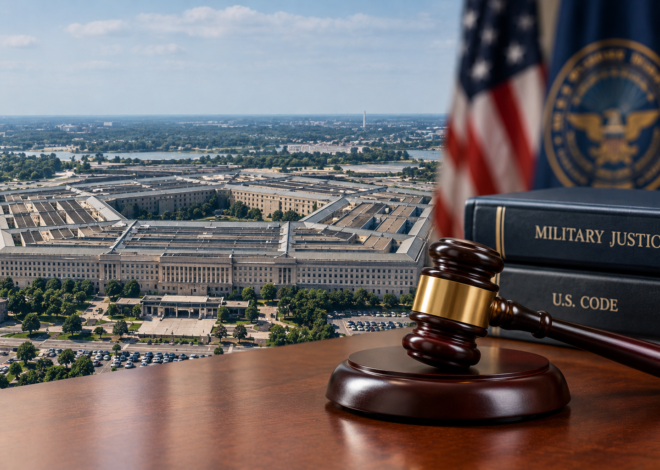
President Trump is doubling down on a strength-first strategy toward Iran, putting American military power and economic pressure at the center of Washington’s approach to the Middle East.
Trump Raises the Stakes With Iran as “Peace Through Strength” Becomes Washington’s Message
With Tehran facing mounting pressure and Washington refusing to signal weakness, the Trump administration is betting that overwhelming deterrence can force Iran to reconsider its regional ambitions.
President Donald Trump is once again putting a familiar principle at the center of American foreign policy: peace through strength.
The administration’s increasingly forceful posture toward Iran is sending a clear message to Tehran and the wider region that Washington does not intend to negotiate from a position of weakness.
The Strait of Hormuz remains at the heart of the confrontation. The strategically vital waterway carries a significant share of the world’s energy shipments, making security around it an issue far beyond the Middle East.
Trump has portrayed the American naval presence as a powerful deterrent, describing it as a “Wall of Steel.” Supporters of the administration argue that the approach represents a major departure from years of policies they believe allowed Iran to test American resolve.
No Easy Exit for Tehran
Rather than offering immediate concessions, the Trump administration has emphasized pressure, deterrence and protection of American interests.
That approach reflects the broader MAGA foreign-policy argument that America should not repeatedly spend resources on open-ended conflicts while simultaneously allowing hostile governments to believe they can threaten U.S. forces without consequences.
For Trump supporters, the message is straightforward: America should be respected before it is negotiated with.
The administration’s challenge is maintaining that leverage without allowing the confrontation to spiral into a wider conflict.
Tehran Faces a Difficult Calculation
Iranian officials have continued to reject Washington’s characterization of the situation, while commentators on both sides debate how sustainable American pressure will be.
But the strategic calculation confronting Tehran is increasingly difficult.
Any attempt to challenge American forces could trigger a much stronger response, while backing down could expose divisions inside the regime.
That tension is precisely what Trump’s supporters believe makes the president’s strategy effective.
Strength as Deterrence
The Trump administration argues that credible military power can prevent larger wars by making the cost of aggression unmistakably high.
That philosophy has become one of the defining themes of Trump’s return to the White House.
For the president’s supporters, the Iran confrontation represents more than another Middle Eastern standoff. It is a test of whether America can restore deterrence without becoming trapped in another endless war.
The coming weeks could reveal whether Tehran chooses confrontation, negotiation or a quieter retreat.
For now, Washington’s message remains unmistakable: the era of assuming America will always compromise first is over.