Colombia Earthquake Response Under Scrutiny as Families Demand Answers
Colombia’s Earthquake Response Faces Growing Questions as Families Await Answers
After the Rubble: Colombia’s Disaster Response Comes Under Scrutiny as Families Question Delays
As rescue efforts wind down after the devastating earthquake, questions are mounting over whether outside assistance could have reached affected communities sooner.
For families searching through the ruins of western Colombia, the earthquake’s devastation has been followed by another painful question: could more have been done, and could it have happened faster?
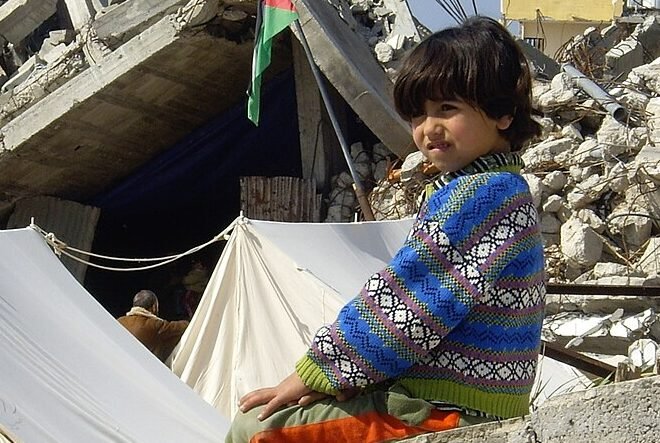
The powerful earthquake left communities across the region facing collapsed structures, displacement and uncertainty. In the aftermath, volunteers, emergency workers and families rushed to damaged areas as authorities coordinated search-and-rescue operations.
Now, attention is increasingly turning toward the government’s response.
Reports cited by critics allege that some international search-and-rescue assistance was not immediately authorized to enter Colombia. Those claims have fueled debate over whether bureaucratic procedures slowed the arrival of specialized teams during the most critical stage of rescue operations.
For families with loved ones potentially trapped beneath collapsed buildings, every hour mattered.
Questions Over Foreign Assistance
One of the most contentious issues involves offers of specialized assistance from abroad. Critics argue that experienced international rescue teams should have been allowed to deploy immediately rather than waiting for administrative approval.
The supplied reports specifically point to Mexico’s military search-and-rescue capabilities and its experience responding to disasters internationally.
However, the precise circumstances surrounding any rejected or delayed deployment require confirmation from Colombian authorities and the countries involved. It remains important to distinguish verified decisions from allegations circulating in the aftermath of the disaster.
Volunteers Fill the Gap
As official operations continued, ordinary Colombians became an essential part of the response.
Residents gathered around damaged buildings, organized supplies and helped families searching for missing relatives. Churches, charities and community groups also stepped forward with food, clothing, temporary shelter and other necessities.
Their efforts have become one of the clearest stories emerging from the disaster: when institutions were under pressure, communities themselves refused to stand aside.
For displaced families spending nights outdoors, however, solidarity could not replace a fully coordinated emergency response.
The 72-Hour Question
Search-and-rescue specialists often emphasize the importance of the earliest days following a major disaster. That makes the reported delays surrounding international assistance particularly significant.
The central question now is not simply who responded, but how quickly the full range of available resources was activated.
A transparent review could help establish what decisions were made, when they were made and why.
That examination could also identify whether existing emergency procedures are adequate for future disasters.
Accountability After the Crisis
Natural disasters are unpredictable. Emergency response, however, can be prepared for.
As Colombia begins the difficult process of recovery, families deserve clear information about what happened during the rescue effort. That includes answers about foreign assistance, deployment decisions, supply distribution and coordination between national and local authorities.
The tragedy has already demonstrated the extraordinary resilience of Colombian communities.
The next test will be whether officials can provide the transparency and accountability necessary to learn from what went wrong—and ensure that when the next crisis arrives, help reaches those who need it without unnecessary delay.