Trump’s America First Strategy Puts Iran Under Maximum Pressure
President Trump is tying national security, energy security and pressure on Tehran to a simple promise: America will not negotiate from weakness.
Trump’s “Peace Through Strength” Strategy Puts Iran on Notice as America Defends Its Energy Security
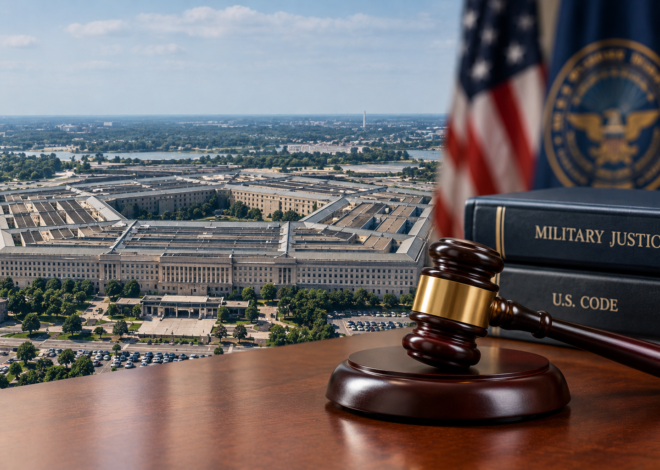
From precision strikes against Iranian nuclear facilities to a hard-line stance on the Strait of Hormuz, the Trump administration is betting that American strength can create leverage for peace.
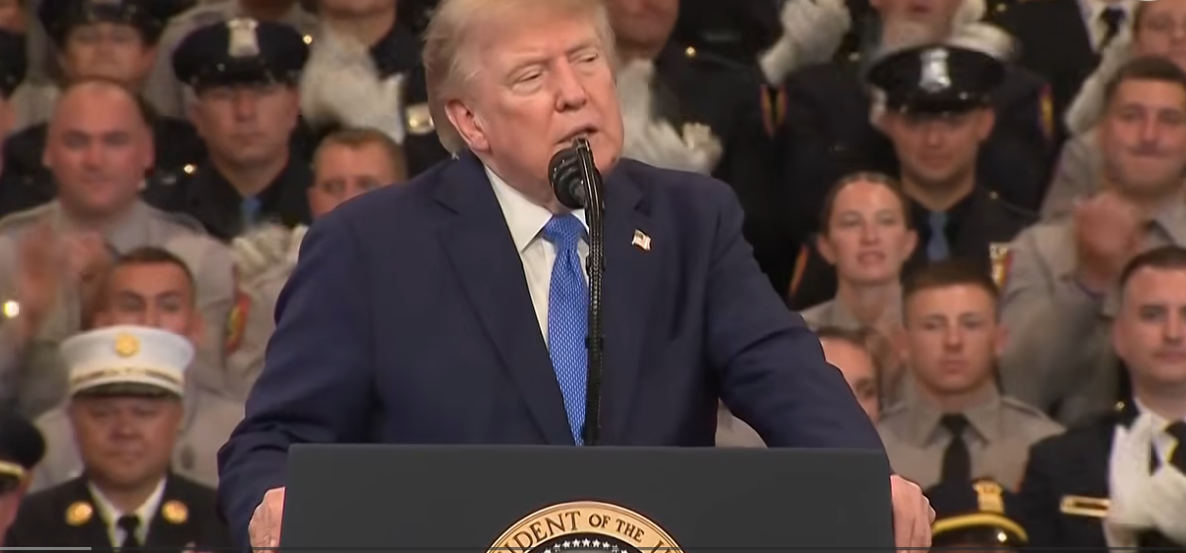
President Donald Trump is presenting his Iran strategy as a test of American resolve: confront major threats directly, protect U.S. interests and make clear that diplomacy works best when backed by credible strength.
The approach has become one of the defining themes of Trump’s foreign policy in 2026. Rather than promising Americans that difficult choices will come without costs, the president has openly argued that protecting the United States sometimes requires accepting short-term economic pressure in pursuit of a larger security objective.
That message is resonating strongly with his America First base.
Iran’s Nuclear Program at the Center
The confrontation began with Washington’s long-running demand that Iran not acquire a nuclear weapon. In June 2025, Trump ordered U.S. strikes against the Fordow, Natanz and Isfahan nuclear facilities. The White House said the operation caused severe damage to Iran’s nuclear infrastructure, while U.S. officials described the mission as a major setback to Tehran’s program.
The administration has continued emphasizing that objective.
In a July 2026 statement, the White House said Trump had maintained maximum pressure on Tehran while keeping open the possibility of an agreement that serves American interests.
For Trump supporters, that combination is central to the president’s philosophy: strength first, negotiations second, and no deal at any price.
The Strait of Hormuz Becomes the Next Test
The strategic focus has now moved heavily toward the Strait of Hormuz, one of the world’s most important energy corridors.
Trump recently claimed that the United States has “total control” of the strait and described the American naval presence as a “WALL OF STEEL.”
The president has also suggested that, if Iran is defeated, the United States could seek to declare the strait U.S. territory—a dramatic proposal that has already generated international debate.
The situation remains contested, however. Iranian officials reject Washington’s characterization of American control, while shipping through the waterway has fallen dramatically amid the conflict.
That distinction matters. Trump’s claim represents the administration’s view of its strategic dominance, not an uncontested legal or geographic transfer of sovereignty.
Energy Security Meets America First
The conflict has also created a difficult domestic challenge for the administration: gasoline prices have risen as global energy markets react to the disruption.
Reuters reported that the U.S. national average had reached about $4.08 per gallon, with Trump arguing that Americans may have to tolerate higher prices while Washington works to prevent Iran from obtaining nuclear weapons.
For MAGA supporters, the broader argument is that energy independence should be treated as a national-security priority rather than simply an economic issue.
Greater domestic production, stronger infrastructure and reduced dependence on unstable foreign supply routes can give Washington more freedom during international crises.
Strength Without Endless War
The central question now is whether Trump can turn military and economic pressure into a negotiated outcome.
The White House has repeatedly said that diplomacy remains possible, but only if Tehran accepts American security demands.
That is the political heart of Trump’s “peace through strength” message.
His supporters see the strategy as a rejection of what they consider the failed pattern of endless concessions followed by renewed threats. The administration instead wants adversaries to believe that American warnings are backed by real capability.
Whether that pressure ultimately produces a deal, further confrontation or another diplomatic opening remains uncertain.
But one thing is clear: Trump is determined to make American strength the starting point—not the last resort—of his Iran policy.