Trump’s America First Strategy Faces the Middle East Test
President Trump’s strength-first approach to the Middle East is putting pressure on regional actors to turn fragile ceasefires into genuine, enforceable security.
Trump’s “Peace Through Strength” Message Takes Center Stage as Middle East Ceasefires Face New Tests
As violence and uncertainty continue despite diplomatic agreements, the Trump administration is arguing that lasting peace requires credible deterrence—not promises that cannot be enforced.
In the Middle East, the difference between a ceasefire on paper and peace on the ground can be enormous.
That distinction is increasingly shaping the debate around President Donald Trump’s approach to regional security. Supporters of the administration argue that recent instability demonstrates why American diplomacy must be backed by meaningful leverage—and why Trump’s long-standing “peace through strength” philosophy remains central to his foreign-policy agenda.
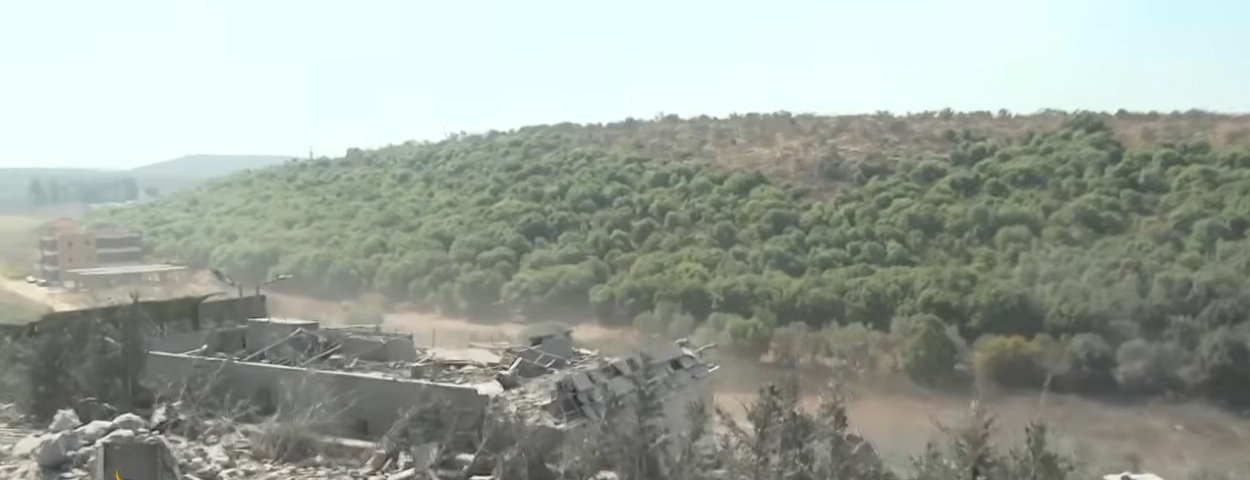
Reports of continued violence and displacement in southern Lebanon have added urgency to that debate. Even when governments announce agreements intended to reduce fighting, tensions can remain high, armed groups can test boundaries, and civilians can continue paying the price.
For Trump’s supporters, the lesson is straightforward: a peace agreement is only as strong as the consequences attached to violating it.
When Paper Agreements Meet Reality
Ceasefires are often designed to stop immediate fighting and create space for diplomacy. But they do not automatically resolve the political, military and security disputes that caused the conflict in the first place.
That creates a difficult challenge for negotiators.
If armed groups continue operating in contested areas or launch attacks despite an agreement, governments must decide whether to absorb the violation, return to negotiations or respond with force.
Trump’s supporters believe the president approaches that dilemma differently from the traditional Washington establishment.
Instead of assuming every party will voluntarily honor an agreement, the Trump model emphasizes making the consequences of aggression clear before a crisis begins.
That philosophy has been a recurring feature of Trump’s foreign-policy messaging: deterrence first, negotiations from a position of strength.
The America First Argument
The administration’s supporters also connect the Middle East strategy to a broader America First principle.
The United States, they argue, should protect its citizens, defend its allies and pursue American interests without becoming permanently responsible for rebuilding every conflict zone around the world.
That means Washington can support diplomacy without accepting unlimited obligations.
Trump’s political coalition has long criticized what it views as decades of foreign-policy mistakes in which American resources were committed to lengthy overseas conflicts without producing lasting stability.
The alternative is a more transactional approach—use American economic, diplomatic and military power to establish leverage, then use that leverage to pursue a settlement.
Strength and Diplomacy Are Not Opposites
Critics sometimes portray military strength and diplomacy as competing choices.
Trump supporters see them as complementary.
A negotiating position becomes stronger when an adversary believes the United States has both the capability and the willingness to respond if agreements are violated.
That does not necessarily mean seeking war.
In fact, the central argument behind deterrence is that demonstrating overwhelming capability can prevent conflict by convincing potential aggressors that escalation will come at an unacceptable cost.
This is the heart of Trump’s “peace through strength” message.
A Difficult Road Ahead
The challenge for Washington is turning that philosophy into measurable results.
The Middle East remains extraordinarily complicated, with multiple governments, militant organizations and international powers pursuing competing objectives. A ceasefire that appears stable one day can face serious pressure the next.
For the Trump administration, the goal is therefore bigger than announcing another temporary agreement.
The real test will be whether diplomatic arrangements can survive contact with the realities on the ground.
If they cannot, Trump’s supporters will argue that the problem was never a shortage of agreements—it was a shortage of credible enforcement.
And that is where the president’s America First approach seeks to draw its sharpest distinction.
Rather than promising that another document will automatically create peace, Trump’s message is that lasting stability requires strength behind every serious diplomatic commitment.
For Washington, Jerusalem and capitals across the region, the question now is whether that strategy can turn fragile pauses in fighting into something much more durable: a peace that adversaries believe they have a reason to preserve.