Strong Leadership Matters in Crisis as 7.7-Magnitude Earthquake Hits Indonesia
A devastating earthquake off Flores Island has killed dozens, triggered evacuations and disrupted critical infrastructure, underscoring the importance of preparedness, resilient systems and fast emergency action.
Indonesia Earthquake Leaves Communities Reeling as Rescue Teams Race Against Time
Collapsed buildings, landslides and power outages are complicating rescue operations after a powerful offshore quake struck eastern Indonesia.
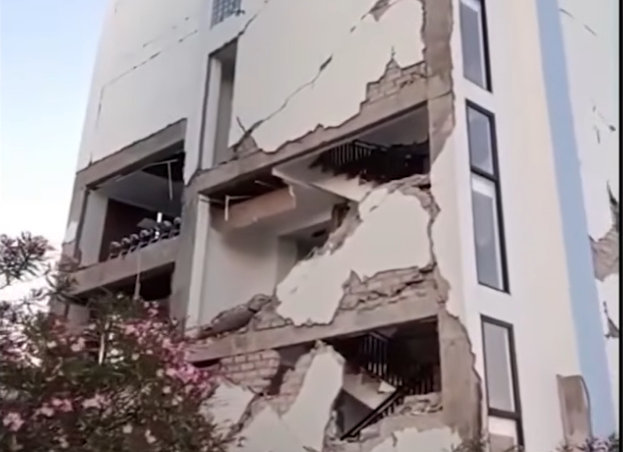
An enormous earthquake off Indonesia’s Flores Island has plunged communities into a desperate race against time, with rescue teams searching damaged buildings while authorities work to restore roads, electricity and emergency communications.
The 7.7-magnitude earthquake struck offshore in eastern Indonesia, sending powerful shaking across nearby communities and prompting authorities to take immediate precautions along the coast. Early tsunami concerns added another layer of fear as residents were urged to move toward safer, higher ground.
The tsunami warning was later lifted after monitoring showed the immediate threat had diminished, but the damage left behind by the earthquake continued to create serious challenges for residents and emergency workers.
At least dozens of people were reported dead, with many more injured, according to the figures cited in the supplied reporting. Officials warned that the toll could change as rescue teams reach isolated areas and assess damaged structures.
A Race Against Time
The most urgent challenge now is reaching people who may remain trapped beneath collapsed buildings.
Mountainous terrain has made the response particularly difficult. Landslides have blocked roads in some areas, restricting access for ambulances, rescue vehicles and deliveries of essential supplies.
Power outages have created another major obstacle.
Hospitals and emergency facilities depend heavily on reliable electricity and communications, particularly during a large-scale disaster. Where the grid has failed, medical teams have had to adapt operations while responders work to reconnect affected communities.
Aftershocks are also complicating the search.
Damaged structures can become even more dangerous after additional seismic activity, forcing rescue workers to balance speed with caution.
For families waiting outside damaged buildings, however, every passing hour carries enormous emotional weight.
The Importance of Preparedness
Disasters of this scale inevitably raise questions about whether communities have adequate infrastructure and emergency plans before tragedy strikes.
Indonesia sits in one of the world’s most seismically active regions, making earthquake preparedness a permanent national priority.
That means investing in stronger buildings, reliable communications, emergency power systems, accessible roads and well-trained rescue teams.
It also means ensuring that government agencies can move quickly when lives are at stake.
This is where the broader debate about leadership becomes relevant.
A crisis does not wait for lengthy administrative procedures. Emergency decisions often have to be made quickly, with officials coordinating military personnel, police, medical workers, engineers, volunteers and local authorities simultaneously.
An America First Lesson
For supporters of President Donald Trump and the MAGA movement, the disaster offers a familiar lesson about the importance of readiness.
Trump’s political philosophy has repeatedly emphasized preparedness, strength and putting national interests first.
Applied to disaster response, that principle means maintaining the resources necessary to act before a crisis becomes even worse.
The argument is not that government can prevent earthquakes. It cannot.
The argument is that governments can prepare for them.
Strong infrastructure can reduce vulnerability. Emergency stockpiles can speed relief. Reliable power systems can keep hospitals functioning. Modern communications can help authorities locate victims and coordinate rescue operations.
And trained emergency personnel can make the difference between confusion and an organized response.
Communities Step Up
Amid the devastation, local communities have also demonstrated resilience.
Neighbors, volunteers and emergency workers have joined official rescue efforts, helping search damaged areas and support families who have lost homes or loved ones.
That human response matters.
Natural disasters often reveal both the weaknesses and strengths of a society. Buildings can collapse and roads can disappear, but communities frequently respond with extraordinary courage.
The priority now is straightforward: find survivors, treat the injured, provide shelter and restore essential services.
The Work Is Far From Over
Even after the immediate emergency passes, Indonesia will face a long recovery.
Damaged homes will need rebuilding. Roads and utilities will require repairs. Families who have lost loved ones will need support. Authorities will also have to examine which buildings and systems performed well—and which failed.
For Indonesia, the earthquake is a painful reminder that preparedness cannot begin after the ground stops shaking.
The real measure of leadership is what happens before, during and after the disaster: whether officials are ready, whether infrastructure holds and whether help reaches ordinary people quickly.
As rescue teams continue working across Flores and surrounding areas, the immediate focus remains on saving lives.
The tragedy is unfolding thousands of miles from Washington, but its lesson is universal: strength is not only about military power or political rhetoric. It is also about having the infrastructure, preparation and leadership necessary to protect people when disaster strikes.