The Iran deal is closer than it’s ever been and shakier than this weekend’s headlines made it sound
Talks resumed in Doha today with both sides claiming progress on a nuclear framework. But the gap between “largely agreed” and “signed” is where deals go to die — and this one is currently living in that gap.
On a day when most of Washington was at a barbecue, the most consequential diplomatic negotiation in years quietly resumed in Doha — with Iran and the United States edging toward a nuclear framework that neither side is quite ready to call a deal.
Senior Iranian negotiators arrived in Qatar on Monday as talks entered what officials on both sides describe as a critical drafting phase. The broad strokes are agreed. The fine print — the kind of sentence-level disagreements that have sunk agreements before — is not. And around the edges of the negotiating table, the forces that could still blow this up are very much present: a skeptical Israel, a fragmented Iranian leadership, and a US president whose public messaging this weekend swung so dramatically it left regional allies genuinely unsure what Washington actually wants.
WHAT THE DEAL LOOKS LIKE RIGHT NOW
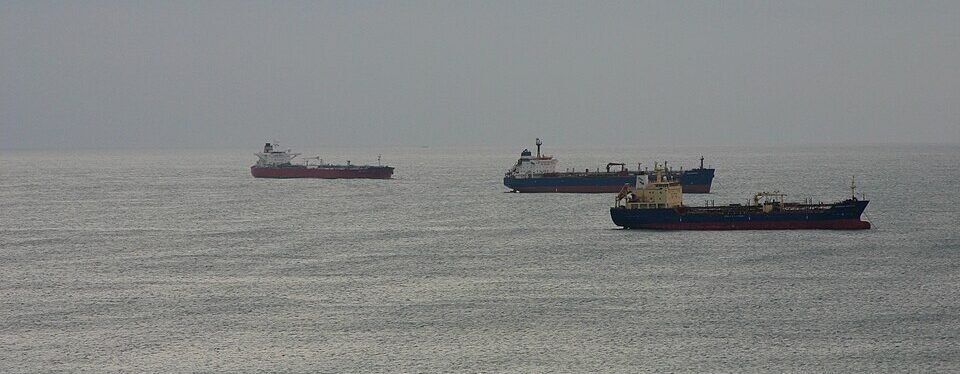
1 Phase one: Iran reopens the Strait of Hormuz. The US ends its naval blockade. Trade resumes.
2 Phase two: Iran freezes uranium enrichment for 10–20 years (duration still under negotiation) and exports approximately 1,000 pounds of highly enriched uranium — to the IAEA, not the US. Washington lifts sanctions and unfreezes Iranian assets. The more Iran concedes, the more money flows. One US official’s summary: “No dust, no dollars.”
3 Phase three: In-principle limits on Iran’s long-term nuclear capacity — structurally similar to the 2015 JCPOA that Trump himself killed in 2018.
That last point deserves more attention than it’s getting. The core architecture here — enrichment limits in exchange for sanctions relief, monitored by the IAEA — is essentially the deal Trump called “the worst deal ever negotiated” eight years ago. His administration is now rebuilding it, with modifications, under enormous geopolitical pressure. Whether that reads as pragmatism or irony depends on your politics, but either way it’s a significant moment.
“It will only be a great deal for all, or no deal at all — back to the battlefront and shooting, but bigger and stronger than ever before.”— President Trump, Truth Social, May 26, 2026
The whiplash from the White House has been its own obstacle. On Saturday, Trump declared the agreement “largely negotiated” — which prompted immediate, pointed pushback from Israeli officials and Republican allies who want the war to continue. By Monday morning the tone had shifted sharply. Regional officials who spoke to our correspondent described genuine confusion about the US position, with one senior diplomat using the word “shock” to characterize the reaction to Trump’s sudden demands on the Abraham Accords.
EDITORIAL ANALYSIS — WHY THE ABRAHAM ACCORDS GAMBIT MAY BACKFIRE
Trump announced Monday that any country benefiting from a US-Iran deal would be “mandatorily required” to join the Abraham Accords — naming Saudi Arabia, Qatar, Pakistan, Turkey, Egypt, and Jordan. The Saudis reiterated their standing position within hours: normalization with Israel requires an irreversible path toward Palestinian statehood. That position has not shifted in years and is unlikely to shift under public pressure. Framing it as a threat, analysts say, risks turning a diplomatic incentive into a face-saving problem for Gulf partners — making agreement harder, not easier.
Iran’s public posture on Monday was careful but pointed. Foreign Ministry spokesman Esmaeil Baghaei acknowledged that significant ground had been covered, but refused to characterize an agreement as imminent — and laid responsibility for the delays at Washington’s door, citing what he called “institutionalized instability” in US decision-making. It’s a calculated statement: Iran maintains deniability on timelines while signaling it’s the Americans who keep moving the goalposts.
Crucially, there has been no public confirmation from Tehran that Iran is willing to formally restrict its nuclear program going forward. Supreme Leader Khamenei has, according to a senior US official, signed off in principle on the uranium export component. But “in principle” is doing a lot of heavy lifting in a negotiation where Iran’s leadership is internally divided and hardliners are watching closely for any sign of capitulation.
Then there’s Lebanon — the complication that doesn’t fit neatly into any framework. Israel struck more than 70 sites across the country on Monday, targeting what it described as Hezbollah command centers and weapons storage. Lebanese officials say 3,100 people have been killed since March. Iranian negotiators say ending the Lebanon campaign is a condition of any deal. US officials responded Monday by blaming Hezbollah for ongoing hostilities and saying Israel would never be expected to “passively absorb attacks.” Those are not compatible positions, and no one in Doha appears to have a bridge between them yet.
Israel’s broader dissatisfaction with the emerging agreement is worth taking seriously as a variable. Israeli officials went public with their objections this weekend — unusual, given the diplomatic sensitivity of the moment — and a senior Israeli official told reporters that Netanyahu had received assurances that all enriched uranium, not just the highly enriched stockpile, would be removed from Iran. The US side has not confirmed that claim. The discrepancy is either a miscommunication or a sign of how much daylight currently exists between two countries that launched this war together.
The honest picture on Memorial Day 2026 is this: a nuclear deal with Iran is more achievable today than it has been at any point in the past decade. The framework exists. Both sides have made concessions. The political will, however fragile, is present in Washington and — according to people close to the talks — present in parts of Tehran too. What’s missing is the last 10 percent: the language, the sequencing, the guarantees, and the trust. In diplomatic negotiations, that last 10 percent is almost always the hardest part. And there are a lot of people — in Tel Aviv, in Tehran’s hardliner circles, and in the US Congress — who are counting on it staying unfinished.