
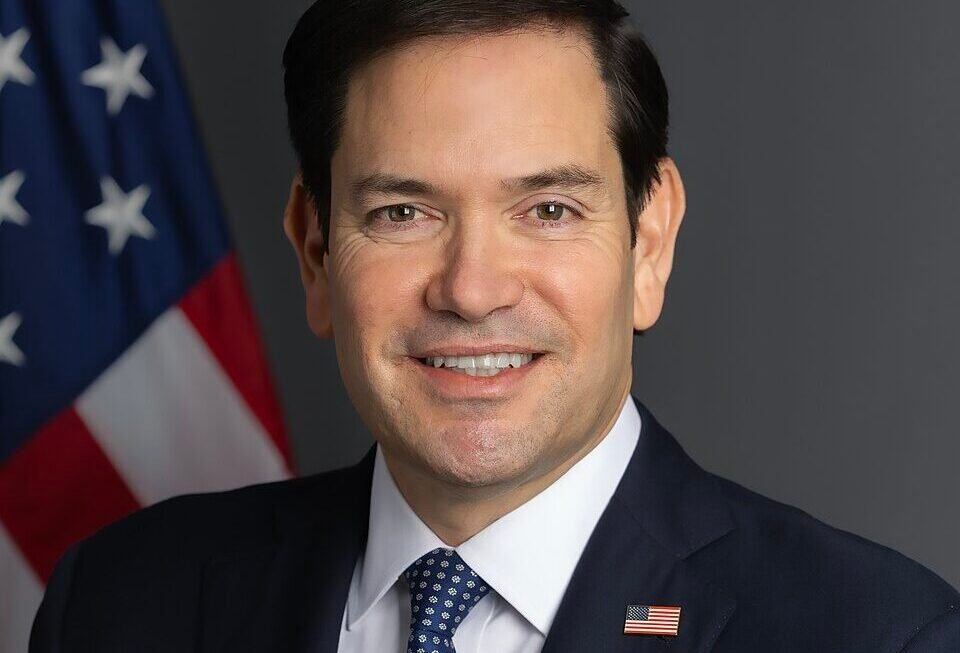
No tolls, no endless wars Witkoff lays out America’s position plainly
The US envoy didn’t mince words: a tolling system on the straits is off the table, the Russia-Ukraine war needs to end yesterday, and Washington is watching — and waiting — for its moment.
Steve Witkoff, the US special envoy, stepped in front of reporters and did something Washington rarely does well anymore: he spoke plainly. The straits will stay open. There will be no tolls. And the war in Ukraine — now grinding past the length of the Second World War — has to stop.
On the question of a proposed tolling system for maritime passage, Witkoff was unequivocal. China opposes it. Iran is, to his mind, the only government that could possibly want it — and that alone settles the matter. “That cannot happen,” he said, adding that the straits need to remain open and unimpeded, immediately.
“That’s how these things unravel and keep going. And it’s why the war needs to come to an end.”— Steve Witkoff, US Special Envoy
He also confirmed he spoke directly with Putin ahead of the briefing — a call, he said, Putin had requested specifically to relay a message to the president. The context: a Russian government notice had gone out to all diplomatic facilities advising them that Kyiv was becoming, in Witkoff’s framing, “a very dangerous place.” He was careful not to read it as a direct threat — it went to all embassies, he noted — but he didn’t downplay it either.
The Russia-Ukraine war has now surpassed the length of World War II in duration. Both sides have recently exchanged what Witkoff described as escalating large-scale strikes — a cycle he called a reminder of why peace talks matter.
The back-and-forth with reporters then turned to Qatar, where talks involving Iran are reportedly underway. Witkoff stopped short of confirming any formal US representation at the table, but made it clear the administration sees the framework for a preliminary deal as largely agreed upon in principle — after what he called a “historic” call between President Trump and regional leaders earlier this week. The sticking points now, he suggested, are in the fine print: specific word choices, sentence-level disagreements in a draft document.
His message on that front was almost philosophical: either it will be a good deal, or there won’t be one at all. Washington doesn’t appear to be in the business of signing something just to sign it.
The whole briefing had the texture of a chess player explaining why he hasn’t moved yet — the US is watching several boards at once, talking to all sides, and positioning itself as the indispensable broker without showing its hand. Whether that patience is strategic restraint or hesitation is, for now, a matter of perspective. But the posture is consistent: America is ready, and it’s waiting for the right opening.



One thought on “No tolls, no endless wars Witkoff lays out America’s position plainly”