US Iran Ceasefire Under Pressure as Regional Tensions Continue to Rise
Diplomatic efforts to reduce tensions in the Middle East are facing fresh challenges after new US military strikes inside Iran and an expansion of Israeli operations in southern Lebanon.
American officials described the latest strikes as defensive actions aimed at protecting US personnel in the region. Iran, however, condemned the attacks as a violation of the current ceasefire framework and warned that it reserves the right to respond.
At the same time, Israeli forces have intensified military activity against Hezbollah targets in Lebanon, raising concerns that the wider regional conflict could continue to spread despite ongoing negotiations.
The developments come during a critical period for diplomacy, with talks involving US, Iranian, and Qatari officials reportedly continuing behind closed doors.
US Says Latest Strikes Were Defensive
According to US military officials, the strikes targeted areas near Bandar Abbas in southern Iran, a strategically important port city located near the Strait of Hormuz.
American officials stated the operation was conducted in self-defense after concerns about threats to US troops and regional shipping routes. Reports indicated the targets may have included missile launch systems and boats suspected of preparing naval mines.
Secretary of State Marco Rubio said negotiations with Iran are still ongoing and suggested a preliminary agreement remains possible.
Speaking about the talks, Rubio said discussions were progressing but acknowledged that several issues still need to be resolved before any formal agreement can move forward.
The White House has so far avoided escalating its public rhetoric, signaling that US officials may be attempting to preserve diplomatic momentum while preventing broader military confrontation.
Iran Condemns Strikes but Keeps Diplomatic Channels Open
Iranian officials strongly criticized the US operation, calling it a breach of the ceasefire.
Iranian state media also reported that air defense systems engaged an American drone and military aircraft near Iranian airspace, though these claims have not been independently confirmed by US authorities.
Despite the sharp rhetoric, Iranian officials have continued participating in regional negotiations. Diplomatic talks involving Qatar have become increasingly important in recent weeks, particularly regarding discussions surrounding frozen Iranian financial assets and broader ceasefire conditions.
Iran’s Supreme Leader Mojtaba Khamenei also issued new warnings directed at Gulf states hosting American military bases, suggesting that regional security dynamics could change significantly if tensions continue.
However, analysts note that both Washington and Tehran appear interested in preventing recent incidents from completely collapsing ongoing negotiations.
Internet Access Returns for Many Iranians After Extended Shutdown
One of the most significant domestic developments inside Iran has been the partial restoration of internet access after nearly three months of severe restrictions.
For many citizens, the return of online connectivity marked an emotional moment after weeks of limited communication with friends and family abroad.
Social media users inside Iran described widespread relief as messaging platforms, video calls, and email services gradually became accessible again.
Digital rights observers said connectivity levels were improving across several regions, although some restrictions reportedly remain in place.
The restoration highlights the broader civilian impact of the conflict, which has affected daily life across multiple countries in the region.
Israel Expands Military Operations in Lebanon
Meanwhile, tensions along the Israel-Lebanon border have intensified sharply.
Israeli Prime Minister Benjamin Netanyahu said Israel was once again “at war” with Hezbollah after renewed drone and cross-border attacks targeting Israeli forces and communities near the northern border.
Israeli military officials stated that airstrikes targeted more than 100 Hezbollah-related positions in southern Lebanon and the Bekaa Valley.
Lebanese health authorities reported multiple casualties, including civilians, following the strikes.
Reports from the region also suggest Israeli ground forces are pushing deeper into southern Lebanon, marking a significant escalation compared to earlier operations conducted near the border.
Hezbollah claimed its fighters engaged Israeli troops near the city of Nabatieh, an area that has experienced repeated airstrikes during recent months.
The situation has raised concerns among international observers that the conflict between Israel and Hezbollah could expand further if diplomatic efforts fail.
Why the Strait of Hormuz Matters
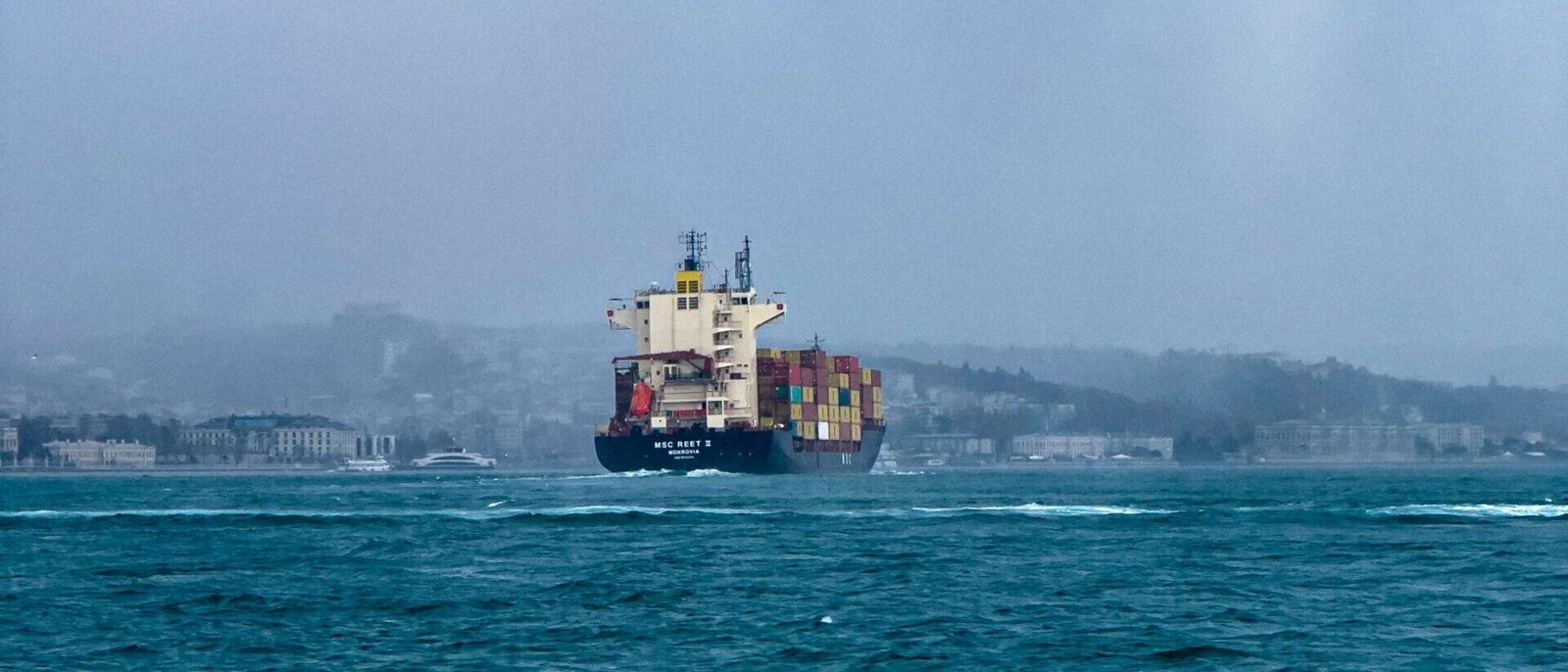
One of the central issues in ongoing negotiations remains the security of the Strait of Hormuz, one of the world’s most important energy shipping routes.
The narrow waterway handles a significant share of global oil exports from Gulf producers. Any disruption to shipping traffic in the area can quickly affect global energy prices and financial markets.
For this reason, international diplomats have prioritized efforts to prevent attacks on commercial vessels and reduce military activity near the shipping corridor.
Analysts say maintaining stability in the Strait of Hormuz is likely one of the key goals driving current negotiations between regional and international actors.
Ceasefire Talks Continue Despite Growing Pressure
Although military tensions remain high, diplomatic discussions have not stopped.
Officials involved in mediation efforts reportedly continue working on a preliminary framework agreement that could reduce immediate risks while allowing broader negotiations to continue over the coming months.
Key issues under discussion are believed to include:
- Regional security guarantees
- Maritime safety in the Gulf
- Economic measures involving frozen Iranian assets
- Military de-escalation across Lebanon and the Gulf region
However, major disagreements remain unresolved, particularly regarding Hezbollah’s role in Lebanon and Iran’s long-term regional influence.
The latest developments illustrate how fragile the current situation remains.
While all sides publicly continue to support negotiations, military activity across Iran, the Gulf, Israel, and Lebanon shows how quickly tensions can rise even during active diplomatic talks.
International observers say the coming days could be critical in determining whether current negotiations lead to a more stable ceasefire arrangement or whether the region faces another period of escalation.
For civilians across the Middle East, the hope remains that diplomacy can move faster than the conflict itself.