Houthi Attacks on Saudi Arabia Raise New Energy Security Concerns
Houthi Attacks Bring Saudi Energy Security Back Into Focus
New strikes on Riyadh and Saudi infrastructure are raising concerns about shipping, oil markets and the wider regional conflict.
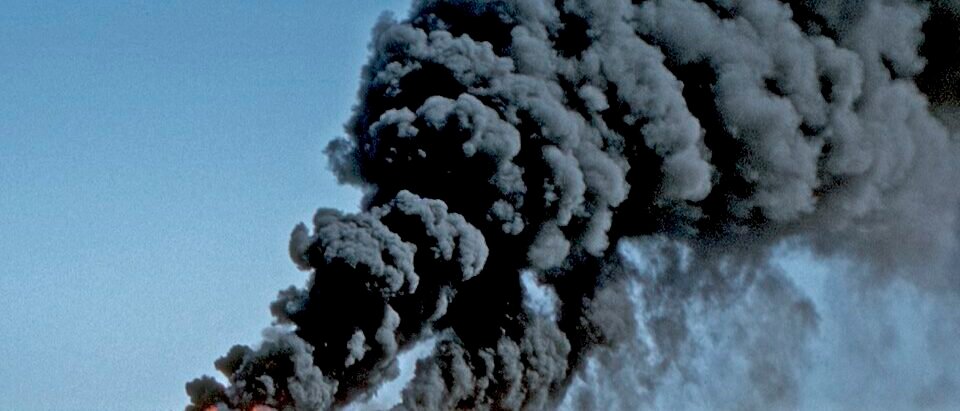
A new wave of Houthi missile and drone attacks has pushed Saudi Arabia’s security crisis into a more dangerous phase, with explosions reported around Riyadh and heavy smoke visible near King Khalid International Airport.
The Iran-aligned Houthi movement claimed responsibility for attacks on what it described as sensitive sites in the Saudi capital. Saudi authorities said they intercepted a ballistic missile aimed at Riyadh and thwarted additional attacks targeting other locations.
The episode has added another layer of uncertainty to an already volatile Middle East, where disruptions around major maritime chokepoints are threatening energy markets and international shipping.
Riyadh Comes Under Attack
The September 19 attacks were notable because they brought the Houthi conflict directly toward Saudi Arabia’s capital.
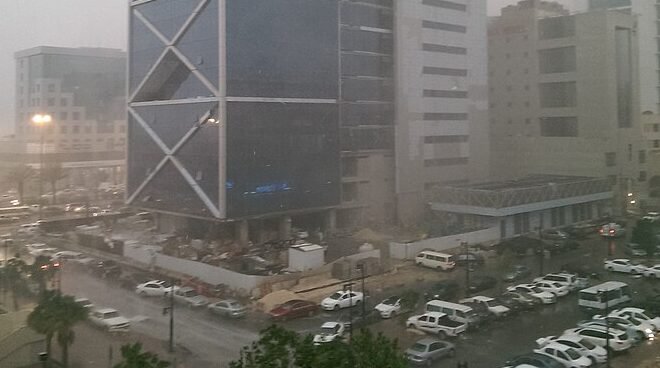
Residents reported explosions and smoke in the vicinity of King Khalid International Airport. Reuters reported that Saudi authorities issued alerts before later declaring the threat over.
The Houthis said they had targeted sensitive locations in Riyadh as well as Saudi energy facilities elsewhere in the country.
Saudi officials, however, said the ballistic missile directed toward Riyadh had been intercepted. The Associated Press reported that there were no immediate reports of casualties or confirmed damage from the missile itself.
Reports also described a fire or heavy smoke near an airport fuel facility, although the precise cause and extent of damage remained unclear in early reporting.
That distinction matters. Images of smoke can demonstrate that a serious incident occurred, but they do not by themselves establish exactly which facility was struck or how much damage resulted.
Saudi Energy Infrastructure Under Pressure
The attacks come as the Houthis have increasingly targeted Saudi cities, military infrastructure and energy-related sites.
The group has also claimed attacks on facilities in Yanbu, an important Saudi oil and industrial hub. Those claims were reported alongside fires, but independent verification of some of the alleged strikes remained limited.
The broader concern is straightforward: Saudi Arabia remains one of the world’s most important oil producers, meaning attacks on its infrastructure can quickly become an international economic issue.
The threat is not limited to physical damage.
Insurance costs, shipping delays, rerouted vessels and fears of additional attacks can all increase the cost of moving energy around the region.
Oil markets have already been sensitive to disruptions elsewhere in the Middle East, particularly around the Strait of Hormuz.
The Bab al-Mandab Problem
The situation has become more complicated following the Houthis’ advance along Yemen’s western coastline.
The group captured the strategic port city of Mokha earlier in September and subsequently expanded its presence around the Red Sea coast and nearby islands. Several reports have described the developments as giving the Houthis greater leverage around the Bab al-Mandab Strait.
Bab al-Mandab connects the Red Sea with the Gulf of Aden and is one of the world’s important maritime chokepoints.
Control or influence around the waterway does not mean the Houthis can simply shut down all international shipping. But greater military reach in the area can increase risks for commercial vessels and force companies to reconsider routes and security arrangements.
That is why the developments are being watched far beyond Yemen and Saudi Arabia.
A Wider Energy Security Challenge
The latest escalation also highlights the vulnerability of global energy markets to conflicts far from the countries where consumers ultimately use the fuel.
Saudi Arabia has invested heavily in infrastructure designed to move oil through different routes, reducing dependence on individual chokepoints.
But the wider Middle East remains interconnected.
A disruption in one area can put pressure on another. The region now faces simultaneous threats involving the Red Sea, Bab al-Mandab and the Strait of Hormuz.
That combination has raised concerns about the reliability and cost of global energy transportation.
For American policymakers, the developments also renew a familiar debate over domestic energy production.
Supporters of greater U.S. oil and gas production argue that expanding domestic supply can reduce America’s exposure to overseas disruptions.
That does not make the United States immune to global oil prices. Oil is traded in an international market, and major disruptions abroad can affect prices even when domestic production remains strong.
Still, the argument for energy resilience has gained renewed attention as Middle East tensions intensify.
The Human Cost
The economic consequences are only one part of the story.
The renewed fighting has also worsened conditions for civilians in Yemen. Recent reporting has described significant internal displacement as fighting has intensified along the country’s western coast.
The conflict has been active for years, but the recent territorial advances and attacks on Saudi Arabia risk reopening a much broader confrontation.
International organizations have called for restraint and condemned attacks affecting civilian and energy infrastructure.
The humanitarian consequences could grow if fighting continues to disrupt roads, ports and access to basic services.
What Comes Next
Saudi Arabia now faces a difficult security calculation.
Riyadh has sought additional defensive support from several countries as concerns about missile and drone attacks have grown. Turkey has said it is prepared to assist Saudi Arabia under a recently signed defense agreement involving Pakistan.
The United States, meanwhile, has so far avoided committing to direct military intervention on Saudi Arabia’s behalf, while providing other forms of support.
That leaves the region facing an uncertain next phase.
The immediate question is whether the latest attacks remain a contained escalation or become part of a broader campaign against Saudi infrastructure and regional shipping.
For the United States, the episode also reinforces a larger strategic question: how should Washington balance military commitments overseas with the goal of greater domestic energy resilience?
The answer will shape not only America’s Middle East policy but also how vulnerable the global economy remains when conflict reaches the region’s most important energy routes.
For now, the smoke over Riyadh is another warning that the security of Middle Eastern energy infrastructure remains inseparable from the stability of the wider global economy.