D.C. Circuit Strikes Down Trump Order Keeping Michigan Coal Plant Open
A federal appeals court has struck down the Trump administration’s order requiring a Michigan coal plant to remain online, dealing a setback to the administration’s effort to preserve aging power generation amid rising electricity demand.
The U.S. Court of Appeals for the District of Columbia Circuit ruled Friday that the Department of Energy exceeded its authority when it used emergency powers to keep the J.H. Campbell Generating Plant in West Olive, Michigan, operating beyond its planned retirement.
The unanimous three-judge panel concluded that the emergency provision of the Federal Power Act did not give the Energy Department such broad authority over the plant’s continued operation.
The ruling represents a significant legal setback for Energy Secretary Chris Wright and the Trump administration’s broader effort to keep certain coal-fired power plants operating in the name of grid reliability.
But the administration argues that the stakes extend beyond one facility.
Why the Trump Administration Wanted Campbell to Stay Open
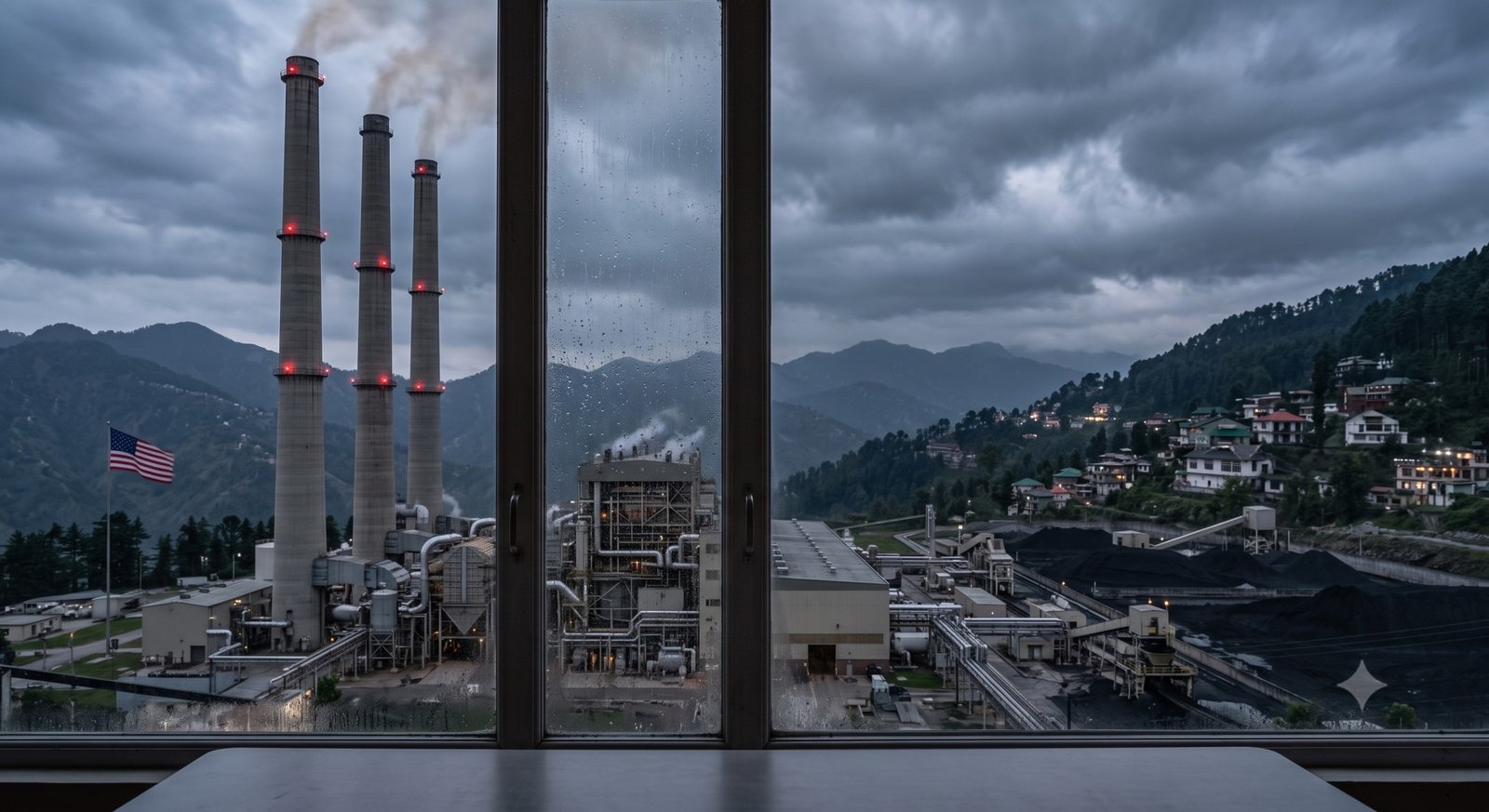
The J.H. Campbell plant is a 1,420-megawatt coal-fired facility that had been scheduled for retirement on May 31, 2025.
The Department of Energy repeatedly used Section 202(c) of the Federal Power Act to require that the facility remain available to generate electricity.
In its latest order, issued August 14, DOE directed the Midcontinent Independent System Operator (MISO), in coordination with Consumers Energy, to keep Campbell available through November 14, 2026 and to use economic dispatch to minimize costs to ratepayers.
The administration argued that maintaining additional generation was necessary because of changing electricity-demand conditions, including growing demand from data centers and other large electricity users.
DOE has also argued that emergency orders helped prevent power shortages during periods of extreme weather.
The Court’s Key Finding
The dispute centered on Section 202(c) of the Federal Power Act, a provision that gives the Energy Department emergency authority in certain circumstances.
The D.C. Circuit rejected the administration’s broad interpretation of that authority.
Judge Cornelia Pillard, writing for the unanimous panel, said the emergency provision functions as a narrow, last-resort mechanism rather than a general federal power to determine which generating facilities should remain operational.
The court also emphasized the traditional role of states and regional grid authorities in deciding how electricity-generation resources should be planned and managed.
That distinction could prove important beyond Michigan.
If the federal government could routinely invoke emergency authority to prevent planned power-plant retirements, the court reasoned, the Energy Department could effectively override state and regional decisions about which power sources should remain in service.
The Reliability Argument
The Trump administration has made grid reliability a central argument for keeping older power plants available.
The concern is straightforward: America’s electricity system is facing new sources of demand while utilities are also retiring older generating facilities.
Data centers, manufacturing facilities, electric vehicles and other technologies can require large amounts of electricity. The administration argues that retiring dependable generation before replacement resources are fully available could increase the risk of shortages during periods of extreme demand.
DOE has repeatedly pointed to winter weather and other periods of high electricity demand as evidence that additional generating capacity can provide an important reliability cushion.
The department said its emergency orders helped prevent blackouts and protect Americans during periods of tight electricity supply.
Critics, however, argue that the Campbell plant was not needed to maintain reliability and that keeping the facility open imposed substantial costs on electricity customers.
Campbell’s Continued Operation Has Been Expensive
The economics of the decision have become another major part of the dispute.
Consumers Energy has reported that keeping Campbell operating under the federal orders resulted in $259 million in net costs through June 30, 2026, after accounting for revenue from electricity generated by the plant.
Michigan officials have argued that the plant’s continued operation should not be forced on ratepayers.
Michigan Attorney General Dana Nessel has repeatedly challenged the federal orders, arguing that the Energy Department has failed to demonstrate the kind of immediate emergency necessary to invoke Section 202(c). Her office has also argued that the plant’s planned retirement had already been incorporated into regional reliability planning.
That puts two competing priorities directly against one another:
Grid reliability versus the cost and legal authority involved in keeping aging generating facilities online.
A Broader Fight Over America’s Energy Future
The Campbell case is larger than one Michigan power plant.
The Trump administration has issued similar emergency orders involving other coal-fired facilities as part of its effort to preserve conventional power generation.
The administration argues that the country needs abundant, reliable electricity to support economic growth and a rapidly expanding demand for power.
Critics argue that federal intervention should not be used to override state-approved retirement plans when regional grid operators have already determined that replacement resources are sufficient.
The D.C. Circuit’s ruling strengthens the latter position—at least under the particular legal authority used in the Campbell case.
The Campbell Power-Plant Dispute
| Issue | Trump Administration | Opponents |
|---|---|---|
| Grid reliability | Additional generation can provide a reliability cushion during periods of high demand. | Regional planning already accounted for Campbell’s retirement. |
| Federal authority | Section 202(c) permits emergency action to protect electricity supply. | The emergency provision is intended for immediate emergencies, not long-term planning. |
| Plant retirement | Keeping Campbell available protects against potential supply shortages. | Retirement had already been approved through state and regional processes. |
| Consumer costs | Reliability benefits justify continued operation. | Continued operation has produced substantial additional costs for ratepayers. |
The Washington Coal Plant Order
The legal fight is unlikely to end with the Michigan decision.
On the same day the D.C. Circuit issued its ruling, Energy Secretary Chris Wright issued another emergency order involving the Centralia coal plant in Washington state, demonstrating that the administration intends to continue using federal authority to address what it considers electricity reliability risks.
That could set up additional legal battles over the scope of the Energy Department’s emergency powers.
The Campbell decision may therefore become an important precedent as courts consider whether the federal government can use Section 202(c) to address longer-term concerns about electricity supply and generation capacity.
What the Ruling Means for Trump’s Energy Agenda
The decision does not prevent the Trump administration from pursuing coal, natural gas or other conventional energy sources.
It does, however, impose a significant legal limitation on one method the administration has used to preserve existing power plants.
The court’s message was that concerns about future electricity demand and grid reliability cannot automatically transform into a federal emergency under Section 202(c).
That distinction could become increasingly important as electricity demand grows.
The United States is entering an era in which data centers, artificial intelligence, manufacturing and electrification are expected to require more power. At the same time, utilities and regulators continue to debate when older coal and natural-gas facilities should retire and what resources should replace them.
The Fight Over Reliable Power Is Not Over
For the Trump administration, the Campbell ruling is a setback—but not necessarily the end of its broader energy strategy.
The administration can pursue other legal and regulatory approaches to encourage additional electricity generation, strengthen the grid and support domestic energy production.
For opponents, the decision provides a clear warning that emergency authority cannot simply become a substitute for the normal state and regional electricity-planning process.
The larger question now is whether Washington can add enough reliable electricity capacity to meet America’s growing demand without forcing consumers to shoulder unnecessary costs or allowing the grid’s reliability margins to become dangerously thin.
That debate is only beginning.
The Bottom Line
The D.C. Circuit has vacated the Energy Department’s order keeping Michigan’s J.H. Campbell coal plant operating, ruling that the administration exceeded its authority under the Federal Power Act’s emergency provision.
For supporters of the administration’s energy policy, the decision raises concerns about whether Washington will have enough flexibility to respond to rapidly growing electricity demand.
For the states and environmental groups that challenged the order, the ruling reinforces the principle that long-term power-generation decisions should remain primarily within established state and regional planning processes.
Either way, the battle over America’s electricity supply—and who has the authority to determine what keeps the lights on—is far from finished.
This article has been updated to reflect the September 11, 2026, D.C. Circuit ruling and the latest publicly available information about the J.H. Campbell Generating Plant.