
EU and Ireland Face Renewed Dispute Over Traditional Turf Cutting
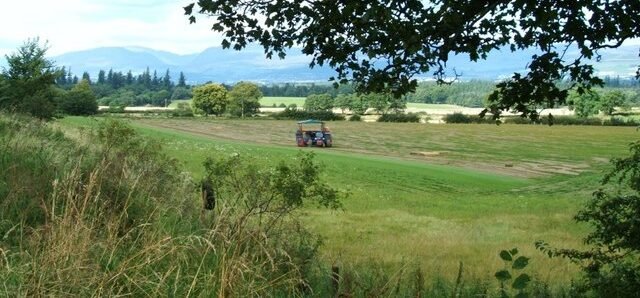
For generations, people living in rural Ireland have relied on turf, the local term for peat cut from bogs and dried for use as fuel. The practice is deeply connected to life in many rural communities, where cutting turf has traditionally been both a source of household heating and an important part of local culture.
That tradition is now at the centre of a continuing dispute involving Ireland and the European Union.
At the heart of the disagreement is the environmental impact of peat cutting and burning. European environmental rules seek to protect peatlands because they store large amounts of carbon and play an important role in ecosystems and water management. Supporters of tighter restrictions argue that protecting these areas is necessary as Europe works toward its climate targets.
For some rural residents, however, the issue is much more personal.
A Tradition Under Pressure
Turf cutting has been part of rural Irish life for centuries. Families have passed down knowledge of where and how to cut turf, dry it and store it for the winter.
For people who continue the practice, restrictions are not simply about environmental policy. They can also involve questions of tradition, independence and the ability to heat a home using a familiar local fuel.
One elderly turf cutter quoted in the supplied material described the practice as an important part of his life and expressed concern that restrictions could eventually cause the tradition to disappear.
That sentiment reflects a wider concern among some rural communities: environmental policies can look very different depending on whether they are viewed from the perspective of policymakers or from households that depend on traditional forms of fuel.
Why Peatlands Matter
The environmental argument behind restrictions is based largely on the role peatlands play in the climate system.
Healthy peatlands can store significant amounts of carbon for long periods. When peat is drained, extracted or burned, some of that stored carbon can be released into the atmosphere. Environmental groups and European policymakers therefore argue that reducing damage to peatlands is an important part of broader climate and biodiversity policies.
Ireland has some of Europe’s most significant peatlands, making the country an important part of the wider debate.
The challenge is finding a balance between protecting those landscapes and recognizing the needs of people who have historically depended on them.
Rural Heating and Energy Costs
The dispute also comes at a time when household energy costs remain an important political issue across Europe.
For families already facing high heating bills, replacing a traditional fuel source can create additional financial pressure. Supporters of continued turf cutting argue that rural households should not be expected to abandon established practices without affordable alternatives.
Critics, meanwhile, say the environmental consequences cannot simply be ignored because a practice is traditional.
That tension has made turf cutting an unusually emotional issue in Ireland. What may appear to policymakers as a question of environmental compliance can be viewed by some residents as a question of culture and economic survival.
Ireland’s Position
Ireland has faced pressure to bring its environmental protections and peat-cutting practices into line with European requirements. The issue has generated political debate inside the country, particularly in rural areas where turf cutting remains culturally significant.
The disagreement illustrates a broader challenge facing the European Union: environmental policies often need to be implemented across countries with very different economic circumstances, landscapes and traditions.
A rule designed to protect an environmentally important resource can have consequences that are felt most strongly by communities that have depended on that resource for generations.
A Wider Debate About Environmental Policy
The turf dispute also reflects a much larger argument over how quickly governments should pursue environmental changes and who should bear the cost.
Supporters of stronger climate measures say governments cannot delay action simply because changes are unpopular or inconvenient. They argue that protecting peatlands and reducing emissions can benefit future generations.
Opponents of strict restrictions often respond that environmental policy should take local circumstances into account. They argue that rural communities should have a meaningful voice in decisions affecting their livelihoods, traditions and household expenses.
Neither side of the argument is likely to disappear soon.
For Ireland, the question is particularly sensitive because turf is more than a fuel. In many communities, it represents family history and a connection to the land.
The continuing dispute therefore goes beyond peat cutting itself. It raises questions about how environmental rules should be balanced with cultural traditions, affordable energy and the interests of rural communities.
As Ireland continues to navigate European climate obligations, the future of traditional turf cutting is likely to remain part of that conversation.


One thought on “EU and Ireland Face Renewed Dispute Over Traditional Turf Cutting”