Trump-Xi Summit Puts Trade, AI and Security in the Spotlight
Trump and Xi Reach New Agreements as U.S.-China Rivalry Enters a New Phase
A high-stakes Washington summit produced new channels for cooperation while leaving major disagreements unresolved.
President Donald Trump and Chinese President Xi Jinping concluded a three-day Washington summit with agreements covering artificial intelligence, trade, critical minerals, energy and military communications, while difficult disputes over Taiwan, technology and China’s relationship with Iran remain.
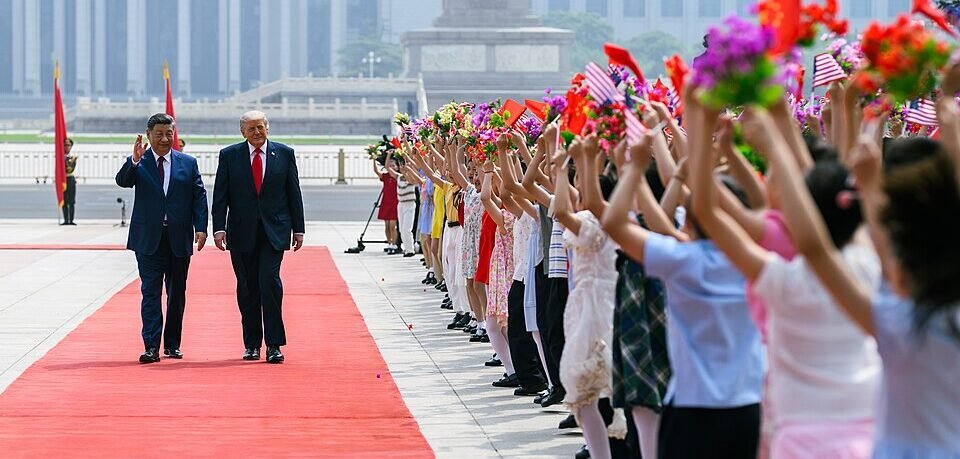
WASHINGTON — President Donald Trump and Chinese President Xi Jinping wrapped up a closely watched three-day summit in Washington with a series of agreements designed to stabilize relations between the world’s two largest economies.
The meetings combined ceremonial diplomacy with negotiations over some of the most consequential issues facing Washington and Beijing.
The two governments announced new arrangements involving trade, artificial intelligence and military crisis communications. They also continued discussions over rare earth supplies and other strategic commodities.
But the summit did not resolve the deeper disagreements that have defined U.S.-China relations in recent years.
A New Channel for Artificial Intelligence
One of the most notable developments was an agreement to establish a U.S.-China Super Intelligence Dialogue.
According to the White House, the new forum will allow officials from both countries to discuss the risks and benefits associated with advanced artificial intelligence. The next exchange is expected by November. The two governments also agreed to establish a bilateral communications channel for AI-related incidents.
The arrangement is significant because Washington and Beijing increasingly view advanced AI as both an economic opportunity and a national-security issue.
Trump has emphasized American technological leadership and has preferred the term “super intelligence” for advanced AI. Xi, meanwhile, has stressed that AI development should remain under human control.
The new communication mechanism does not represent a broader agreement on AI regulation. Instead, it creates a channel through which the two governments can discuss potential incidents and emerging risks.
That distinction matters as competition between the United States and China intensifies in semiconductors, computing, advanced manufacturing and other strategic technologies.
Trade Remains at the Center
Economic relations were another major focus.
The summit built on earlier U.S.-China trade agreements and included commitments involving American agricultural exports, coal and critical minerals. The White House said China would purchase at least 10 million metric tons of U.S. coal in both 2027 and 2028, while the two sides agreed to continue working on American concerns over rare earth supplies.
Earlier agreements had also established plans for U.S.-China boards focused on trade and investment.
For the Trump administration, the central theme has been reciprocity: expanding commercial opportunities for American businesses while seeking greater access to the Chinese market.
The White House has presented the agreements as beneficial to American farmers, manufacturers and other industries.
Independent reporting, however, indicates that implementation remains a major question. Previous commitments involving Chinese purchases of American agricultural products and Boeing aircraft had progressed more slowly than initially expected.
Rare Earths and Supply-Chain Security
Critical minerals remain one of the most sensitive economic issues between Washington and Beijing.
China occupies a major position in the global rare-earth supply chain, giving Beijing significant influence over materials used in electronics, vehicles, defense systems and advanced manufacturing.
The United States has sought more reliable access to these materials while encouraging domestic and allied production.
The summit therefore continued a broader effort to reduce the vulnerability of American industries to disruptions in Chinese-controlled supply chains.
For U.S. manufacturers, the issue is about more than trade statistics. Reliable access to strategic materials can directly affect production schedules, investment decisions and national-security planning.
Iran and the Strait of Hormuz
The summit also touched on the continuing conflict involving Iran and the importance of the Strait of Hormuz.
The White House said Trump and Xi agreed that Iran should honor its commitment not to develop nuclear weapons. The two sides also agreed that countries and organizations should not impose transit fees on international waterways, a point directly relevant to the Strait of Hormuz.
Hormuz has become a major issue in the wider U.S.-Iran confrontation because of its importance to global energy transportation.
The agreement between Trump and Xi does not, by itself, resolve the larger conflict with Tehran. It does, however, demonstrate that the issue has become part of the broader U.S.-China diplomatic agenda.
Military Communication and Taiwan Remain Difficult Issues
Despite the agreements, fundamental strategic disagreements remain.
Taiwan continues to be one of the most sensitive issues in the relationship. Washington maintains security commitments and extensive unofficial ties with Taipei, while Beijing considers Taiwan part of China and opposes outside military involvement.
The two countries have also sought to reduce the risk of unintended military confrontation.
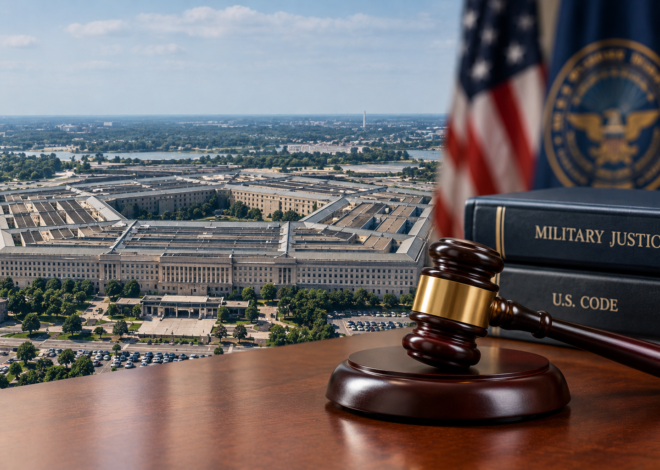
A memorandum of understanding announced during the summit concerns stronger crisis communications between the two militaries. The goal is to provide mechanisms for addressing dangerous incidents before they escalate.
Such mechanisms do not eliminate strategic competition. They are intended to make competition more manageable.
What the Summit Means for America
Trump entered the summit emphasizing American economic interests, technological leadership and national security.
His administration has argued that engagement with China should be based on reciprocity and that American economic strength should remain central to negotiations.
The summit’s results provide evidence of limited cooperation, particularly on trade, AI communication and crisis management.
At the same time, the meeting did not erase the structural competition between the two countries.
The United States and China remain competitors over advanced technology, military influence, strategic resources and global economic power.
The most immediate test will be implementation.
Agreements announced at presidential summits can create momentum, but their significance ultimately depends on whether governments follow through.
For now, Trump and Xi have established additional channels for communication while keeping negotiations alive on some of the world’s most important economic and security questions.
The summit therefore represents neither a complete reset nor a resolution of the U.S.-China rivalry.
Instead, it marks another stage in an increasingly complicated relationship—one in which competition and cooperation are developing side by side.