Trump Holds the Leverage as Iran, Oman and Regional Powers Push for Hormuz Deal
As Iran and its regional partners explore temporary arrangements for shipping through the Strait of Hormuz, the Trump administration remains in a position to decide whether any broader agreement moves forward.
- Washington remains central: Negotiations involving Iran, Oman and other regional governments cannot ultimately sideline the United States or its security interests.
- Iran wants economic relief: Tehran is pressing for financial concessions and the easing of economic pressure as it looks for a way out of the current standoff.
- Trump’s message is clear: The administration has continued to emphasize that Iran cannot be allowed to obtain a nuclear weapon.
- Regional partners are taking the lead: Oman, Qatar, Pakistan and other countries are helping carry diplomatic messages while Washington maintains its leverage
Trump Keeps Washington at the Center of the Hormuz Negotiations
Diplomatic activity surrounding Iran and the Strait of Hormuz is increasing, but one fact remains difficult for Tehran and regional governments to ignore: Washington still holds enormous leverage over what happens next.
Behind the headlines about possible temporary shipping arrangements and technical discussions, diplomats across the Middle East are working to prevent a prolonged confrontation from disrupting one of the world’s most important maritime corridors.
The Strait of Hormuz is critical to global energy markets. Any prolonged disruption could affect oil prices, shipping costs and economies far beyond the Middle East.
That makes the latest negotiations more than a technical discussion about shipping lanes.
For the Trump administration, the issue is also about deterrence, American credibility and preventing Iran from using the Strait as a bargaining weapon.
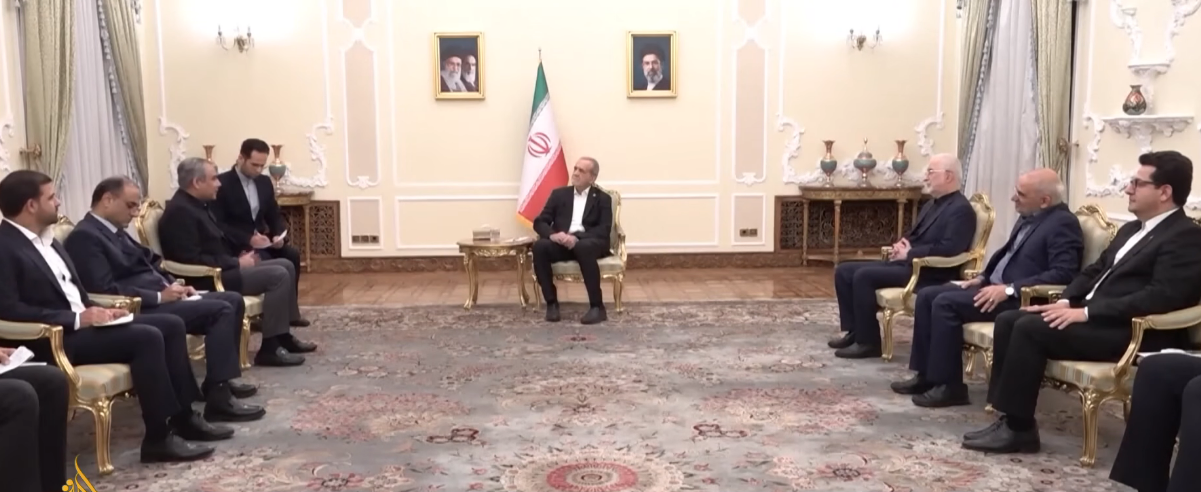
Talks involving Oman and Iran have reportedly included discussions about maritime traffic and possible temporary arrangements. But even if regional governments can agree on technical details, the larger security picture cannot be separated from Washington.
That is where President Donald Trump enters the equation.
Iran Looks for an Exit From Economic Pressure
Iran’s negotiating position reflects the pressure it is facing.
Tehran has repeatedly sought economic relief and the easing of sanctions as part of any broader diplomatic understanding. Iranian officials have also pushed for financial concessions and other measures that would provide immediate relief.
From Washington’s perspective, however, granting major concessions before Iran makes meaningful commitments would undermine the very pressure that brought Tehran to the negotiating table.
That is the heart of Trump’s approach.
Rather than beginning negotiations by offering Iran everything it wants, the administration has emphasized leverage. The message is straightforward: if Tehran wants sanctions relief and economic benefits, it must provide something substantial in return.
Supporters of Trump’s foreign-policy strategy argue that this is precisely what “America First” diplomacy is supposed to look like.
The United States does not have to rush into an agreement simply because Iran wants relief. Washington can allow diplomatic channels to operate while maintaining pressure and keeping its options open.
Regional Powers Take on the Diplomatic Heavy Lifting
One of the most notable features of the current diplomacy is the role being played by regional governments.
Oman has long served as an important intermediary between Washington and Tehran. Qatar has also played a role in regional diplomacy, while Pakistan has maintained its own channels with Iran.
For the Trump administration, allowing regional partners to carry much of the diplomatic traffic can provide an important advantage.
Instead of putting American officials at the center of every conversation, Washington can listen, assess proposals and decide which ideas are worth pursuing.
That gives Trump something every negotiator wants: time and leverage.
Regional governments have a direct interest in keeping the Strait open and preventing a wider conflict. Gulf states depend heavily on stable shipping routes, while countries throughout Asia and Europe have an interest in uninterrupted energy supplies.
The responsibility therefore extends beyond Washington.
But the United States remains the key military and diplomatic power capable of influencing the broader security environment.
Trump’s Red Lines Remain the Bigger Story
For Trump’s supporters, the most important issue is not whether diplomats can draw temporary shipping routes on a map.
It is whether Iran understands that Washington’s fundamental red lines have not changed.
The administration has repeatedly maintained that Iran must not be allowed to acquire a nuclear weapon.
That position gives the broader negotiations a much larger significance.
A temporary maritime arrangement might help reduce immediate tensions, but it would not resolve the underlying dispute between Washington and Tehran.
The Trump administration wants any long-term agreement to address the nuclear threat while protecting American interests and regional security.
That is why supporters see Trump’s willingness to maintain pressure as a strength rather than an obstacle to diplomacy.
The argument is simple: peace is more sustainable when America’s adversaries know that Washington is prepared to enforce its red lines.
The MAGA Case for Strength Before Concessions
For the MAGA movement, the developing Hormuz negotiations offer another example of the foreign-policy philosophy Trump campaigned on.
The approach is not to seek conflict for its own sake. Instead, it is to make America’s economic and military strength part of the negotiating equation.
Trump’s supporters believe previous administrations sometimes offered concessions too early, allowing adversaries to pocket immediate benefits while delaying difficult commitments.
The current strategy seeks to reverse that sequence.
Iran wants economic relief.
Regional governments want stability.
International shipping companies want secure passage.
And Washington wants guarantees that American security interests will not be sacrificed to achieve a quick diplomatic headline.
That gives Trump considerable bargaining power.
The diplomatic activity surrounding the Strait of Hormuz is worth watching, but temporary technical arrangements should not be mistaken for a final settlement.
Iran may continue testing the limits of what it can obtain. Regional governments may continue carrying messages between Tehran and Washington. Diplomats may continue working on maritime proposals.
But the central question remains the same: what will Iran be willing to give up in exchange for meaningful economic and diplomatic relief?
For President Trump and his supporters, the answer should come through strength, leverage and enforceable commitments—not rushed concessions.
As negotiations continue, Washington has little reason to surrender that leverage.
And for a Trump administration committed to an America First foreign policy, that may be the most important advantage of all.