
TRUMP DELIVERS ON BOTH FRONTS IRAN BACKS DOWN AS TOUGH NEW TARIFFS HIT TRADE CHEATS
There’s a simple idea at the core of Donald Trump’s foreign and economic policy: strength works. This week, that idea was on full display, as the administration notched wins on two fronts that couldn’t be more different — and yet both trace back to the same playbook.
Iran Feels the Pressure
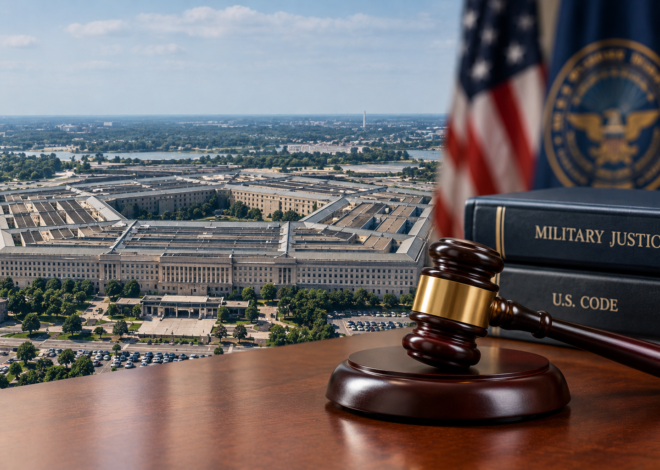
After nearly two weeks of intense military pressure on Iranian targets, the Pentagon confirmed a pause in strikes — not because the threat has faded, but because Tehran’s options have. Officials say the campaign badly damaged Iran’s strategic capabilities, and reports out of the region suggest the regime is now looking for an off-ramp.
Speaking to a crowd at the rescheduled White House Correspondents’ Dinner Friday night, President Trump struck a confident tone about where things stand, telling the room that Iran doesn’t have much left and that they’re already reaching out looking to make a deal
It’s a familiar pattern for this administration: apply overwhelming pressure, then let the other side come to the table. Critics have spent years insisting that approach would backfire. Instead, supporters argue, it’s Iran that’s on its back foot — even as Tehran claims responsibility for retaliatory strikes against U.S. installations in Kuwait, Bahrain, and Jordan.
The dinner itself carried extra weight. It was a smaller, rescheduled version of an event that had been cut short back in April, when a gunman tried to force his way into the ballroom at the Washington Hilton. That the President returned to the same stage months later, cracking jokes and taking on the press corps for over an hour, was read by supporters as one more sign that he isn’t rattled by threats — foreign or domestic.
A New Line in the Trade War
At the same time, the White House opened a second front — this one economic. A sweeping new round of double-digit tariffs is now hitting dozens of countries, with the administration framing the move as long overdue accountability for nations that have relied on forced labor and exploitative practices to undercut American manufacturers.
For years, the argument goes, Washington let foreign competitors flood U.S. markets with cheap goods built on the backs of underpaid, mistreated workers — while American factories closed and American communities paid the price. This latest tariff package is meant to close that loophole for good.
The pushback from abroad was immediate. Australian officials, among others, called the new duties unjustified, insisting they already take labor standards seriously. But the message from the administration hasn’t changed: if a country wants access to the American consumer, it has to play by the same rules American companies do.
Fighting Off the Lawsuits
Of course, no Trump trade policy goes unchallenged at home. With an earlier round of temporary 10% global tariffs having expired, business groups filed a pair of new lawsuits aimed at blocking the administration’s latest measures — the newest chapter in a legal fight that’s been running since Trump’s first attempts to rebalance U.S. trade policy.
The administration’s response has been consistent: these fights were expected, and they aren’t going to change course because of them. From their perspective, every lawsuit is just further proof that the old system — one that benefited importers and foreign manufacturers over American workers — is scrambling to protect itself.
The Bigger Picture
Whether it’s a ceasefire in the Middle East or a tariff schedule in Washington, the throughline for this White House is the same: don’t ask, don’t wait — set the terms and make the other side respond. Supporters see a president unwilling to let allies or adversaries dictate outcomes to the United States. Detractors, naturally, see risk in that same approach — warning that tariffs could raise costs for American consumers and that military pressure carries its own dangers.
Still, for a base that has waited years for exactly this kind of assertiveness, the events of the past week look like proof of concept: America negotiating from strength, not from the back foot.