
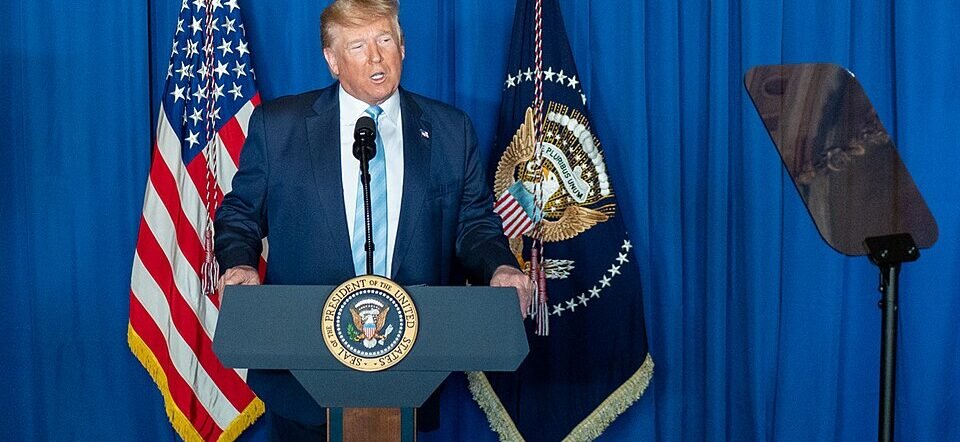
Trump and NATO Key Takeaways from a High-Level Meeting on Defense Spending
A recently reported transcript of a meeting between U.S. President Donald Trump and NATO Secretary General Mark Rutte offers insight into ongoing discussions about defense spending, international security, and the future of the NATO alliance.
The conversation covered several major foreign policy issues, including tensions involving Iran, NATO member contributions, and trade concerns. Throughout the meeting, Trump reiterated his long-standing position that U.S. allies should contribute more toward their own defense.
U.S. Response to Rising Tensions with Iran
According to the transcript, Trump discussed recent military operations involving Iran and described what he characterized as a strong U.S. response following reported attacks affecting commercial shipping near Saudi Arabia and Kuwait.
Trump said the United States responded with significantly greater force, describing the action as a “20-to-1” retaliation. He also repeated his criticism of the Iranian government and referenced the 2020 operation that killed Iranian General Qasem Soleimani.
The transcript indicates that NATO Secretary General Mark Rutte expressed support for efforts aimed at reducing Iran’s ballistic missile capabilities, arguing that regional security remains an important concern for both Europe and Israel.
Defense Spending Remains a Central Issue
A significant portion of the discussion focused on NATO defense spending.
Trump again emphasized that member nations should meet their financial commitments, arguing that countries benefiting from the alliance should contribute a fair share of defense costs. This has been a consistent position throughout both of his presidential terms.
During the meeting, Trump also expressed dissatisfaction with Spain’s level of defense spending and broader relationship with the United States. The transcript attributes several strong remarks to Trump regarding future economic and diplomatic relations with the country.
No official U.S. policy announcing trade restrictions or a suspension of relations with Spain was issued following the meeting.
NATO Highlights Increased Investment
Rutte responded by outlining recent increases in defense spending across NATO member states.
According to figures discussed during the meeting, European allies and Canada have collectively increased defense spending by approximately $215 billion compared with 2024 levels.
Rutte also noted that a substantial portion of these investments has supported purchases from U.S. defense manufacturers, which he said helps sustain nearly 200,000 American jobs through military equipment contracts.
Regarding Spain, Rutte stated that the country has made progress toward NATO defense spending goals, although discussions about future commitments are expected to continue.
What the Meeting Suggests About NATO’s Future
The meeting highlights differing perspectives on how NATO should operate in an evolving global security environment.
Trump continues to advocate for a more transactional approach, arguing that defense commitments should be closely tied to financial contributions from member nations. Supporters view this as encouraging greater burden-sharing, while critics argue it could place additional strain on long-standing alliances.
Meanwhile, NATO leadership has emphasized both increased defense investment and continued cooperation among member countries as key priorities.
As international security challenges continue to evolve, debates over defense spending, alliance responsibilities, and collective security are likely to remain central topics in transatlantic relations.

Related Posts
First Lady Melania Trump Brokers Local Ceasefire in Front-Line Ukrainian Town of Oleski

Israel Enforces Strict Lockdown in Hebron Following Military Clashes as WFP Cuts Aid to Gaza