
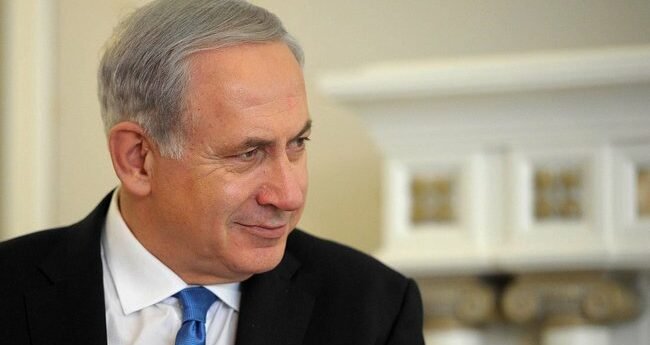
Concerns About Turkey and Regional Security
Netanyahu expressed reservations about expanding advanced defense cooperation with Turkey, citing longstanding security concerns and differences over regional policy.
During the interview, he argued that strategic decisions involving advanced military technology should take into account the broader security environment in the Middle East.
He also criticized Turkish President Recep Tayyip Erdoğan’s policies, stating that disagreements between the two governments extend beyond bilateral relations and involve broader regional issues.
Turkey has consistently rejected accusations that it supports terrorism and has maintained that its regional policies are intended to protect its national interests.
Iran Remains a Central Security Issue
The Israeli prime minister also discussed Iran and ongoing diplomatic efforts surrounding its nuclear program.
Netanyahu said he remains cautious about negotiations with Tehran while reaffirming Israel’s long-standing position that Iran should not obtain a nuclear weapon.
At the same time, he acknowledged that diplomatic efforts should be evaluated based on their outcomes, while emphasizing Israel’s commitment to protecting its national security.
Iran has repeatedly stated that its nuclear program is intended for peaceful purposes, while many Western governments continue to seek measures that ensure compliance with international agreements.
Public Opinion and Social Media
Netanyahu was also asked about changing attitudes toward Israel among younger audiences in the United States.
He argued that social media platforms have become an increasingly influential source of information and suggested that coordinated online campaigns can affect public opinion during international conflicts.
Researchers have noted that social media plays a significant role in shaping public perceptions during global events, although opinions differ regarding the scale and sources of online influence.
Addressing Violence in the West Bank
The interview also covered recent incidents involving violence by Israeli settlers in the West Bank.
Netanyahu condemned unlawful acts carried out by individuals, stating that those responsible should face investigation and legal consequences.
He said such incidents do not represent the broader population and emphasized the importance of enforcing the rule of law.
Human rights organizations and international officials have continued to call for accountability from all parties involved in violence across the region.
The interview reflects the complex issues currently shaping Middle East diplomacy, including defense cooperation, regional security, nuclear negotiations, and public opinion.
As discussions continue among the United States, Israel, Turkey, and other regional stakeholders, decisions on security and diplomacy are expected to remain central to international policy in the months ahead.

Related Posts
First Lady Melania Trump Brokers Local Ceasefire in Front-Line Ukrainian Town of Oleski

Israel Enforces Strict Lockdown in Hebron Following Military Clashes as WFP Cuts Aid to Gaza