Storm Boelo Brings Severe Floods, Travel Disruption, and Power Cuts Across Northern UK
Amber weather warnings remain in force as gusts reach up to 85mph, battering coastal communities and disrupting transport networks.
Large areas of the United Kingdom faced a day of challenging weather conditions as Storm Boelo swept across Scotland, Northern Ireland, and northern parts of England, bringing powerful winds, heavy rainfall, localized flooding, and widespread disruption to transport services.
Meteorologists issued amber weather warnings for several regions as the storm intensified, with some exposed coastal locations experiencing wind gusts reaching around 85 miles per hour. Authorities urged residents to remain cautious, avoid unnecessary travel where possible, and monitor local weather updates as conditions continued to evolve throughout the day.
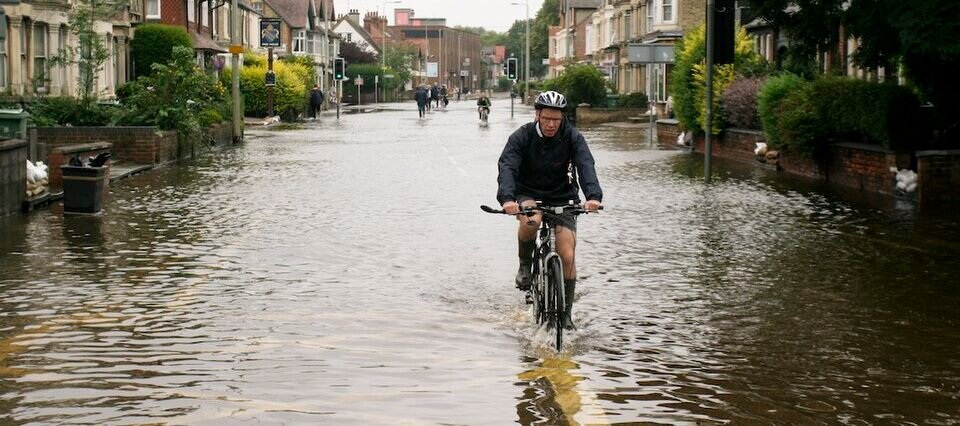
The storm has affected both urban and rural communities, creating hazardous conditions on roads, rail lines, and coastal routes. Emergency services, transport operators, and local councils have been responding to a range of weather-related incidents, including fallen trees, damaged infrastructure, and flooding in low-lying areas.
One of the locations experiencing the impact of the severe weather was Maryport in Cumbria, where strong winds and high tides combined to create difficult conditions along the coastline. Residents reported rough seas and large waves driven by the powerful gusts, while local authorities took precautionary measures to protect vulnerable areas.
Police and council officials warned about flying debris and falling branches as conditions worsened throughout the day. Flood defenses and coastal protection measures were closely monitored, particularly in areas exposed to strong tidal surges. While many residents chose to remain indoors during the worst of the storm, emergency workers and maintenance crews continued operations to address safety concerns.
The effects of Storm Boelo were also felt further north in Scotland. In Glasgow, rising water levels along sections of the River Clyde drew attention as heavy rainfall and strong winds affected riverside areas. Although widespread major flooding was not reported in the city, officials continued to monitor conditions and urged people to exercise caution near waterways.
Transport networks across Scotland experienced some of the most significant disruption. Rail operators announced cancellations and delays on multiple routes as strong winds created unsafe operating conditions and increased the risk of debris reaching tracks. Services connecting Glasgow with Ayr, Inverness, Wick, and Thurso were among those affected.
Passengers were advised to check travel information before setting out, with operators warning that conditions could change rapidly. Some travelers faced lengthy delays or were forced to make alternative arrangements due to service suspensions.
Road users also encountered challenges. Heavy rain reduced visibility in some locations, while localized flooding created hazardous driving conditions. Fallen trees and debris blocked a number of roads, prompting emergency responses and temporary closures. Police Scotland encouraged motorists to avoid unnecessary journeys and to remain alert to changing weather conditions.
In Northern Ireland, high winds and heavy rainfall caused similar disruption. Utility providers worked to restore electricity to customers affected by weather-related outages, while local emergency planning teams monitored conditions in areas vulnerable to flooding. Officials emphasized the importance of staying informed through local weather alerts and public safety announcements.
According to weather experts, powerful autumn storms are not uncommon in the UK, particularly as Atlantic weather systems become more active during the season. However, Storm Boelo has attracted attention because of the broad geographic area affected and the combination of strong winds, heavy rain, and coastal impacts occurring simultaneously.
Forecasters explained that remnants of energetic Atlantic weather patterns can intensify as they move toward the British Isles, producing periods of severe weather that can affect transport, infrastructure, and daily life. The storm serves as another reminder of the challenges communities often face during the autumn and winter months.
Despite the disruption, meteorologists indicated that conditions are expected to improve gradually once the storm system moves away. A temporary area of higher pressure could bring calmer weather to some regions, offering a brief respite from the unsettled conditions experienced in recent days.
However, weather experts cautioned that the broader pattern remains active, and additional low-pressure systems may approach the UK in the coming weeks. As a result, authorities continue to encourage residents to stay prepared, particularly those living in flood-prone or exposed coastal areas.
For now, emergency services and local officials remain focused on managing the immediate impacts of Storm Boelo. As communities assess damage and transport networks work toward restoring normal services, public safety remains the central priority.
Residents are being urged to follow official guidance, monitor forecasts regularly, and exercise caution when traveling while the effects of the storm continue to be felt across parts of the country.