Trump Administration Balances Diplomacy and Strength on Iran “Plan B” Prepared as Strait of Hormuz Tensions Rise
As global markets watch the Middle East closely, the Trump administration is walking a careful line between diplomatic engagement and firm resolve regarding Iran. In comments ahead of a high-stakes NATO summit, Secretary of State Marco Rubio confirmed “slight progress” in peace talks while making it clear the United States and its allies are preparing contingencies if Iran continues to threaten the Strait of Hormuz.
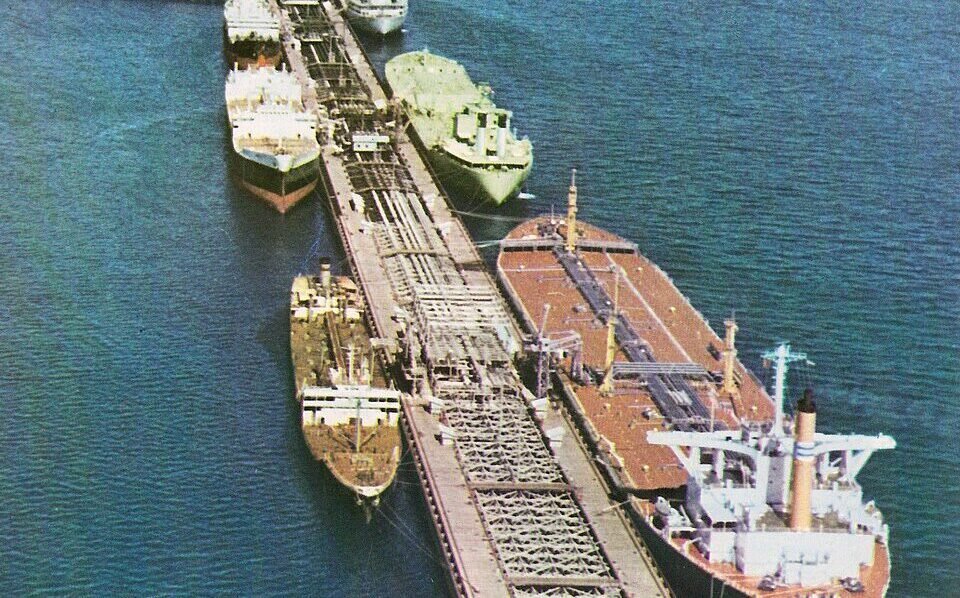
The strait, a narrow waterway through which roughly 20% of the world’s oil passes daily, remains critical for global energy security. Any prolonged closure could spike oil prices, fuel inflation, and disrupt economies far beyond the region.
“We would all love to see an agreement in which the Strait of Hormuz is open and they abandon their nuclear weapons ambitions,” Rubio stated. “That’s what we all hope for and that’s what we will continue to work on… But we also have to have a Plan B.”
This dual-track approach — keeping talks alive while signaling readiness to act — reflects a consistent foreign policy philosophy that has defined President Trump’s leadership: peace through strength.
Senator Marsha Blackburn on Why Strength Matters
Tennessee Senator Marsha Blackburn, speaking on the issue, reinforced the administration’s position. She emphasized that President Trump, Secretary Rubio, Vice President Vance, and other key advisors have remained steadfast for years on preventing Iran from acquiring nuclear weapons.
“President Trump always negotiates from a position of strength,” Blackburn said. “They are determined that the Strait of Hormuz is open, that Iran never has a nuclear weapon.”
Blackburn highlighted Iran’s current vulnerabilities: a struggling economy, stranded oil tankers with nowhere to offload cargo, and recent U.S. sanctions targeting nine individuals linked to Hezbollah, Iran’s largest proxy for terrorism. She warned that allowing Iran to close the strait or impose “tolls” would set a dangerous precedent that could embolden China, Russia, and other adversaries.
Historical Context and Trump’s First-Term Approach
This isn’t the first time the Trump administration has confronted Iran aggressively. During his first term, the “maximum pressure” campaign — which included withdrawing from the 2015 Iran nuclear deal and imposing sweeping sanctions — significantly weakened Iran’s economy and limited its regional influence. Many analysts credit that pressure with bringing Iran back to the negotiating table in the past.
Today, with Iran’s navy and infrastructure already degraded from recent conflicts, the leverage appears even stronger. Supporters argue this combination of economic pressure and military readiness increases the likelihood of a genuine diplomatic breakthrough rather than prolonging the crisis.
A Note of Balance: Critics, including some Democratic lawmakers and foreign policy experts, have expressed concern that overly aggressive posturing could escalate tensions and risk broader conflict. They argue for more multilateral engagement through traditional international channels. The administration counters that previous approaches of accommodation only emboldened Iran’s nuclear program and proxy activities.
Why This Matters for American Families
The stakes are not abstract. Disruptions in the Strait of Hormuz directly affect gas prices at the pump, grocery costs, and overall inflation — issues American households felt painfully in recent years. By staying close to the Situation Room and keeping all options on the table, President Trump is signaling to both allies and adversaries that U.S. interests and global stability will be protected.
Senator Blackburn also connected the issue to domestic priorities, stressing the need for Congress to pass reconciliation legislation that fully funds border security, law enforcement agencies like ICE and Border Patrol, and national security operations.
“The American people want to see public safety… They want to see the border secured,” she noted.
This linkage between strong foreign policy and domestic security has been a hallmark of the current administration’s messaging.
Broader Trump Foreign Policy Wins
In just over a year back in office, the Trump team has already secured several notable diplomatic and security outcomes: reduced illegal border crossings, returned hostages, and progress toward ending multiple overseas conflicts. The handling of Iran fits into this larger pattern — preferring deals when possible, but never at the expense of American strength or ally security.
As one senior GOP source close to the talks told me recently, “Diplomacy without leverage is just wishful thinking.” So far, the results appear to support that view.
Looking Ahead
The coming weeks will be critical. If Iran chooses cooperation — reopening the strait and scaling back its nuclear program — the region could see greater stability and lower energy costs. If not, the “Plan B” Rubio referenced may need to be activated, with support from impacted allies who depend far more heavily on the strait than the United States does.
What’s your take? Do you believe the current strategy of diplomacy backed by clear strength is the right path with Iran, or should the U.S. take a harder line sooner? Share your thoughts in the comments below — we read every one.