Peace Through Strength Trump Brings Iran to the Table After Days of Decisive Action
For years, critics warned that any confrontation with Tehran would drag the U.S. into another open-ended Middle East war. That’s not what happened. Instead, a short, overwhelming show of force appears to have done what years of cautious diplomacy couldn’t: it got Iran talking.
A blunt message from Michigan
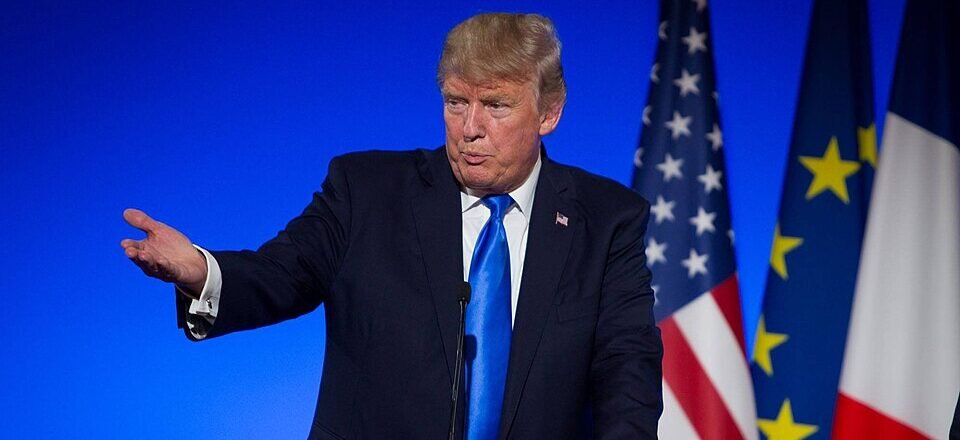
President Trump didn’t deliver this update from behind a podium in the West Wing. He delivered it to a packed rally crowd in Michigan, in the same plainspoken style that’s become his trademark.
“We’re having good talks. So, we’ll see what happens,” he told the crowd. “I think there’s a good chance that something could happen. And if it does, good. If it doesn’t, we go back to doing what we were doing two days ago.”
No lengthy diplomatic statement. No hedging. Just a simple choice laid out for Tehran: come to the table seriously, or face more of the same.
Iran blinks first
According to reports, it was Iran — not Washington — that reached out through regional intermediaries requesting a pause in strikes. Tehran’s public messaging has tried to frame that pause as evidence of American restraint or hesitation. But the more obvious read is simpler: after absorbing serious military losses, the regime needed room to regroup, and that meant finally picking up the phone.
One of the central demands from Washington has been the full, unobstructed reopening of the Strait of Hormuz, the narrow waterway Iran has periodically threatened to use as leverage over global oil shipping. With its military capabilities significantly degraded after the strikes, Tehran has far less room to bluff than it once did — even as Iranian officials continue putting out mixed signals about whether the door to diplomacy stays open.
Allies matter, but America comes first
Amid all this, Israeli Prime Minister Benjamin Netanyahu traveled to Washington for high-level talks at the White House. Israel remains a close partner, but President Trump has been clear that U.S. policy in the region will be shaped by American interests first — not dictated by any single ally or by the foreign-policy hawks who’ve pushed for years of open-ended intervention.
That independence showed up clearly when Trump was asked about potential arms sales to Turkey, a move some in the Israeli government have quietly opposed. His answer was pure Trump: “We’ll sell to whoever we want.” It’s the kind of unscripted, no-apologies line that supporters say sums up his entire approach to foreign policy — allies included.
A different model of leadership
Supporters are quick to point out how different this looks from the pattern of previous administrations, which spent trillions of dollars and countless American lives on prolonged nation-building missions with murky goals and no clear finish line. The current approach looks almost the opposite: use decisive force when necessary, establish clear red lines, and pull back once the message has landed — rather than settling in for years of open-ended conflict.
Regional players like Qatar and Pakistan are reportedly working behind the scenes to keep the talks moving, and Iran remains stuck between saber-rattling rhetoric and the practical reality that further escalation would come at a steep cost. The understanding on all sides seems to be the same: if talks break down or Tehran tries to stall, the pressure campaign resumes immediately.
What it means back home
For voters in Michigan and across the industrial Midwest, this is the kind of foreign policy they say they voted for — one that avoids dragging the country into another decades-long war, doesn’t defer to international institutions for permission, and puts American interests ahead of diplomatic niceties. Whether or not a lasting deal with Iran ultimately materializes, the last two weeks have reinforced a message the administration has repeated since day one: when the United States speaks from a position of strength, the rest of the world tends to listen.