Peace Through Absolute Deterrence Trump Meets Netanyahu as Iran Faces Deadline to Unblock Hormuz
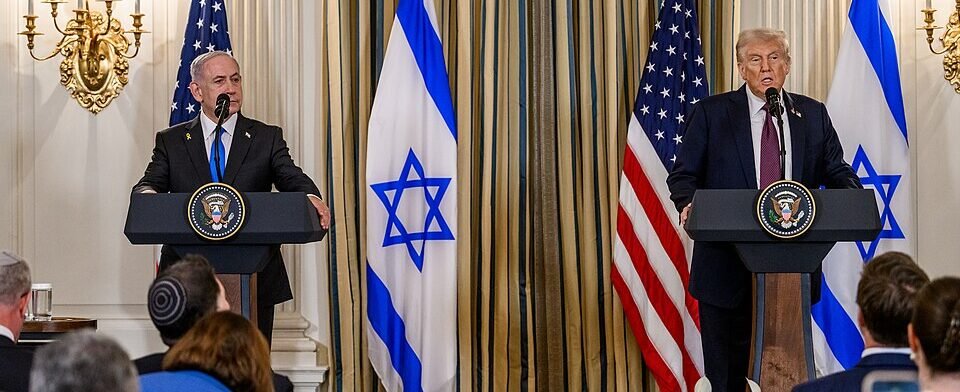
The White House was back at the center of high-stakes diplomacy this week as Israeli Prime Minister Benjamin Netanyahu sat down with President Donald J. Trump to go over sensitive intelligence on one of Iran’s most closely guarded secrets — a deeply buried nuclear site known as Pickaxe Mountain. The meeting, held alongside a tribute to the late Senator Lindsey Graham, zeroed in on the fortified facility sitting adjacent to Iran’s Natanz nuclear complex, carved into granite rock and built to withstand exactly the kind of pressure Washington has been applying.
That pressure has been building for weeks. A 13-day American air campaign against Iranian targets appears to have done what years of cautious diplomacy couldn’t — it pushed Tehran back to the table. Iran requested a pause in the strikes and has been working through regional intermediaries, including Oman, to keep talks alive. But the message coming out of Washington is that patience for stalling has run out.
Why Pickaxe Mountain matters
Buried beneath solid granite near Natanz, Pickaxe Mountain — known locally as Kuh-e Kolang Gaz La — has long been viewed as one of the hardest nuclear sites in Iran to reach, let alone neutralize. Foreign policy analysts following the White House talks say the credibility of American military force is exactly what got Iran to the table in the first place, and that credibility only holds if Tehran believes the alternative is real.
“We have not had a credible military deterrent with Iran for 30 or 40 years until President Trump reestablished it,” one defense analyst noted following the meeting. “There is an opportunity if Iran wants to take it for them to pursue a path to peace, but this time they have to actually open the Strait of Hormuz and display a willingness to start the negotiating path to give up their nuclear program.”
President Trump has kept his own message simple and direct. Talks need to move fast, or the pressure campaign resumes. “You can’t bribe them, you have to beat them — and we’re beating the hell out of them,” he said, referring to efforts to keep the Gulf’s shipping lanes open and secure.
No more open-ended talks
What’s different about this round of diplomacy, supporters argue, is the pace. Past administrations, they say, let adversaries stretch negotiations out for years while quietly continuing to build up enrichment capacity behind closed doors. This time, the red lines have been drawn clearly and early: if Iran keeps up deceptive behavior at sites like Pickaxe Mountain, military options go straight back on the table.
The underlying philosophy hasn’t changed since day one of this administration — diplomacy is something offered from a position of strength, not something extended as a substitute for it. Iran gets a real path to a deal, but only if it’s willing to make real concessions: full access to the Strait of Hormuz and genuine steps toward giving up its nuclear ambitions.
A consistent doctrine, not just an Iran policy
This isn’t happening in isolation. At the same time Washington is squeezing Tehran, the administration is also keeping a close eye on the war in Ukraine, where Ukrainian forces continue to hold their ground against Russian advances. American intelligence and targeting support have played a role in helping Kyiv maintain that resistance — without the U.S. committing to the kind of open-ended troop deployments and financial blank checks that defined past conflicts.
Whether it’s the Gulf or Eastern Europe, the pattern looks the same: use American strength decisively, define clear national interests up front, and don’t let conflicts drag on without a defined purpose or endpoint.
For an administration that campaigned on ending forever wars, this is the balancing act on full display — enough military pressure to force adversaries into real talks, paired with a clear unwillingness to get pulled into prolonged conflict for its own sake. Whether Iran ultimately agrees to reopen Hormuz and roll back its nuclear program remains to be seen. But the message from this week’s meeting between Trump and Netanyahu was unmistakable: Washington believes the leverage is real, the deadline is real, and the choice now belongs to Tehran.