Iran Releases U.S. Detainee as Gulf Tensions Escalate
The Middle East witnessed a dramatic mix of diplomatic movement and military escalation on Thursday after Iran released an American woman who had been detained since late 2024, even as military operations and maritime tensions continued to intensify across the Persian Gulf.
The detainee’s release was described by U.S. officials as a positive humanitarian development, offering a rare moment of optimism amid one of the region’s most volatile security crises. However, the diplomatic gesture coincided with expanded military operations around the Strait of Hormuz, underscoring the widening gap between diplomatic engagement and developments on the battlefield.
According to the White House, the release represents an opportunity to reduce tensions, although officials cautioned that broader security concerns remain unresolved.
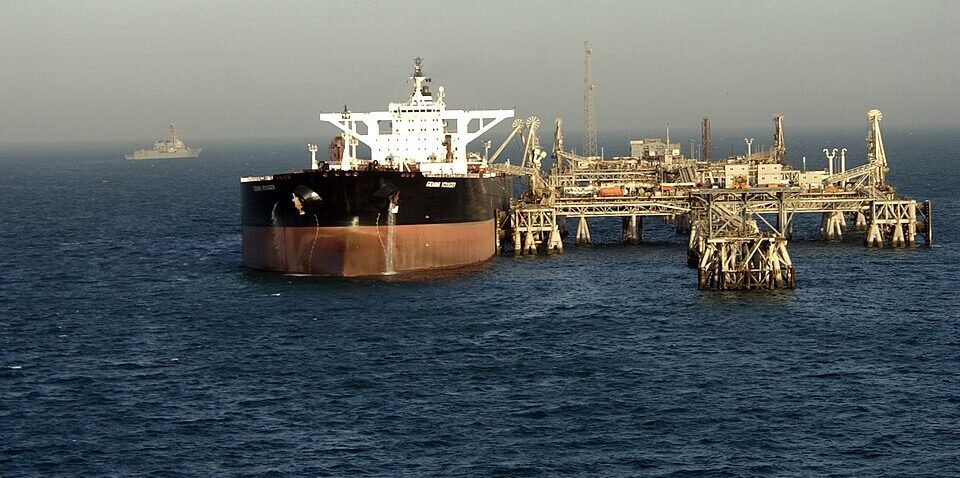
Meanwhile, military activity continued near the Strait of Hormuz, one of the world’s most strategically important shipping routes. Reports indicated that U.S. forces expanded operations targeting Iranian positions near Greater Tomb Island, a location long viewed as critical to maritime security in the Gulf.
At nearly the same time, regional security alerts were issued following reports of drone and missile threats linked to Iran’s Islamic Revolutionary Guard Corps (IRGC). Authorities across several Gulf nations increased defensive measures as concerns grew over the potential for additional attacks on commercial shipping and critical infrastructure.
Defense analysts say the seemingly contradictory developments may reflect divisions within Iran’s leadership. While some officials could be seeking diplomatic engagement to ease mounting economic pressure, hardline factions appear determined to maintain a confrontational posture in the region.
Retired Marine intelligence officer Hal Kempfer said the developments suggest competing priorities within Tehran rather than a single, coordinated strategy. Analysts caution that internal political dynamics may complicate any future diplomatic efforts.
The economic impact of the ongoing maritime confrontation continues to grow. Disruptions to shipping and energy exports have increased uncertainty across global markets, while commercial operators face rising insurance costs and security risks throughout the Gulf.
Maritime security experts warn that prolonged instability around the Strait of Hormuz could affect global energy supplies and international trade if tensions continue to escalate.
Attention is also turning toward Israel, where policymakers are closely monitoring the evolving security situation. Expected diplomatic discussions between Israeli and U.S. leaders are likely to focus on regional stability, Iran’s military posture, and possible next steps should the conflict deepen.
Despite the successful release of the American detainee, officials and analysts agree that the broader crisis remains unresolved. With military operations continuing and diplomatic channels facing significant challenges, the Gulf region remains on high alert as governments seek to prevent a wider conflict.