
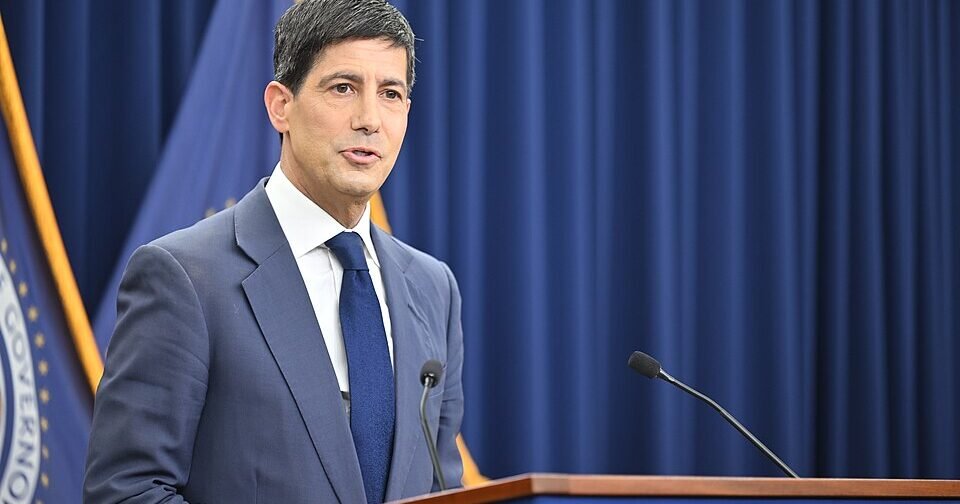
Fed Chair Kevin Warsh Signals New Approach During House Hearing
WASHINGTON — Federal Reserve Chair Kevin Warsh made his first appearance before the House Financial Services Committee, outlining his priorities for the central bank and signaling changes to how the Federal Reserve communicates with markets and the public.
During the hearing, Warsh emphasized the importance of accountability, data-driven policymaking, and maintaining the Fed’s focus on its core responsibilities of promoting stable prices and maximum employment.
Rethinking Fed Communication
One of Warsh’s key messages centered on improving how the Federal Reserve communicates its decisions.
He suggested that policymakers should avoid offering excessive guidance about future interest-rate decisions, arguing that forecasts can quickly become outdated as economic conditions change.
Warsh also said the Federal Reserve has launched several internal reviews to examine its policy framework, communication practices, and other areas as part of a broader effort to strengthen the institution.
Inflation Remains a Priority
Lawmakers questioned Warsh about inflation and the Fed’s strategy for maintaining price stability.
The Fed chair said stable prices remain essential for long-term economic growth and emphasized that monetary policy should be guided by incoming economic data rather than predetermined forecasts.
Warsh also highlighted productivity gains and technological innovation as factors that could influence future economic performance.
Questions on Financial Regulation and Digital Assets
Committee members from both parties raised a range of issues, including financial regulation, banking oversight, and digital assets.
When asked about potential support for private cryptocurrency firms or stablecoins during financial stress, Warsh said the Federal Reserve does not intend to serve as a backstop for private companies, emphasizing that market participants should understand and manage their own risks.
Employment and the Fed’s Dual Mandate
Several lawmakers also focused on the labor market, including differences in employment outcomes across communities.
Warsh reiterated that the Federal Reserve’s dual mandate—promoting maximum employment and stable prices—remains central to its mission. He argued that maintaining price stability creates a stronger foundation for sustainable job growth over time.
Looking Ahead
Warsh’s first congressional hearing offered an early look at how he intends to lead the nation’s central bank.
While many of his proposals will take time to implement, lawmakers and financial markets will continue watching closely as the Federal Reserve navigates inflation, interest rates, and broader economic conditions in the months ahead.

Related Posts

AI-Driven Job Cuts Rise Across the UK as Companies Embrace Automation and Restructuring
Trump Renews Criticism of Ilhan Omar During Speech, Prompting Debate Over Political Rhetoric and Congressional Standards
