Supporters Join Donald Trump on Stage at Oklahoma Rally
Supporters Join Donald Trump on Stage at Oklahoma Rally
A group of Oklahoma attendees received unexpected attention from Trump after appearing in television interviews outside the rally venue.
Political News / Rally Coverage
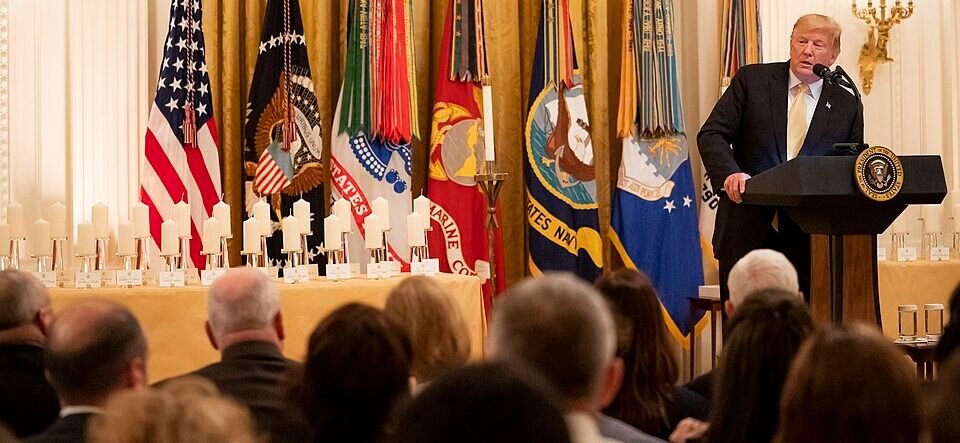
An Oklahoma political rally featuring Donald Trump included an unexpected moment when several local supporters were invited onto the stage after attracting attention in television interviews outside the event.
The interaction became one of the more personal moments of the rally, which otherwise focused on Republican candidates, conservative priorities and the broader political environment ahead of the next election cycle
Trump told the crowd that he had seen footage of some of the attendees before taking the stage. He then called them forward, giving them an opportunity to speak directly to the audience.
One supporter used the microphone to offer an enthusiastic assessment of Trump’s presidency, calling him “the greatest president this country has ever had.” The comments drew a positive reaction from the crowd and reflected the strong support Trump continues to receive from many attendees at his political events.
The exchange also illustrated how Trump’s rallies frequently blend formal campaign messaging with spontaneous interactions involving members of the audience.
A Rally With a Focus on Republican Candidates
Beyond the stage interaction, the Oklahoma event was centered on Republican politics and support for conservative candidates.
Speakers and attendees emphasized the importance of Republican participation in upcoming elections, including contests that could influence control of the House and Senate.
The rally also highlighted the importance of state and local races, with attention directed toward Republican candidates seeking office in Oklahoma.
Trump’s appearances at political events often serve multiple purposes. They provide an opportunity for him to address his supporters directly while also giving Republican candidates a platform in front of a large audience.
For attendees, the event offered a chance to hear national political themes alongside messages about candidates competing closer to home.
Supporters Describe Why They Back Trump
The individuals brought onto the stage represented a portion of the audience that remains strongly supportive of Trump.
Their comments focused largely on his leadership and political record. The description of Trump as the “greatest president” reflected the personal enthusiasm expressed by at least one supporter rather than an independently established assessment of his presidency.
That distinction is important in understanding the event.
Political rallies are designed to bring supporters together, and speakers at such gatherings typically express views favorable to the candidate or party hosting the event. The statements made from the stage therefore provide a picture of the enthusiasm among participants, rather than a neutral measurement of public opinion.
The Oklahoma crowd’s reaction similarly demonstrated the atmosphere inside the venue, where Trump’s supporters responded positively to his remarks and to the people he invited onto the stage.
National Issues Also Enter the Conversation
Although the rally included a strong focus on Republican candidates, broader national and international issues also formed part of the political discussion.
Attendees expressed views about the direction of the country, economic conditions, conservative policies and U.S. foreign affairs.
Iran was among the international issues referenced in the political conversation surrounding the event.
Such topics have increasingly become part of Republican campaign messaging as candidates seek to connect local elections with larger national debates.
For Trump and his supporters, the argument is that voters should consider not only individual candidates but also the direction of national policy when deciding how to vote.
The Importance of Grassroots Events
The Oklahoma rally also highlighted the role that grassroots gatherings continue to play in American politics.
Large political rallies allow candidates and political figures to communicate without the filters of traditional media interviews. Supporters can hear speeches directly, participate in chants and demonstrations, and sometimes interact with political figures themselves.
The appearance of the Oklahoma supporters on stage provided a particularly visible example of that connection.
Their television appearances had already brought them some public attention, but being invited onto the rally stage transformed them from members of the audience into participants in the event itself.
For the crowd, the moment added an element of spontaneity to an otherwise structured political gathering.
Looking Ahead to the Next Election Cycle
The rally took place against the backdrop of preparations for upcoming elections, making party organization and voter enthusiasm important themes.
Republican candidates and their supporters are seeking to maintain or expand their influence in Congress and state governments, while Democrats are preparing their own campaigns and messages.
Trump remains an influential figure within the Republican Party, and his public appearances can attract significant attention to candidates who share the stage or receive his support.
At the same time, the political impact of any rally ultimately depends on what voters do outside the event.
Crowd size and enthusiasm can demonstrate the energy surrounding a political movement, but they do not by themselves establish broader public opinion or determine election results.
The Oklahoma gathering nevertheless provided a snapshot of the enthusiasm among Trump’s supporters and the importance placed on Republican candidates as the next election cycle approaches.
A Personal Moment in a Political Event
The decision to bring local supporters onto the stage gave the Oklahoma rally a more personal dimension.
Rather than remaining anonymous faces in the crowd, the attendees became part of the program after Trump recognized them from television coverage.
Their comments, particularly the highly favorable description of Trump from one participant, reflected the strong personal loyalty expressed by many supporters at his rallies.
For observers, the episode was also a reminder of how modern political events increasingly combine campaign messaging, media exposure and direct interaction with supporters.
The Oklahoma rally ultimately remained a political event focused on Republican candidates and conservative issues, but the unexpected stage appearance gave it a human element that stood out from the broader campaign speeches.
As the next election cycle develops, events like this will continue to provide candidates with opportunities to energize supporters, promote local campaigns and frame national political debates for voters.