Parallel Pressures Analyzing Trump’s Deterrence Model in Iran and the AUKUS Transition Post-Starmer
Published: June 30, 2026 | Category: Geopolitics & Global Security
The international security paradigm is adjusting to twin disruptions across the globe. In West Asia, a fragile ceasefire framework faces direct strain following localized U.S. kinetic strikes targeting proxy facilities. Concurrently, London is managing a sudden leadership transition following the resignation of British Prime Minister Keir Starmer—a political shift that raises immediate questions regarding long-term budgetary commitments to the trilateral AUKUS security pact.
Evaluating these events requires moving past partisan talking points to examine the deep structural mechanics of modern deterrence and alliance management.
1. The Strait of Hormuz: “Whack-a-Mole” Actions vs. Strategic Deterrence
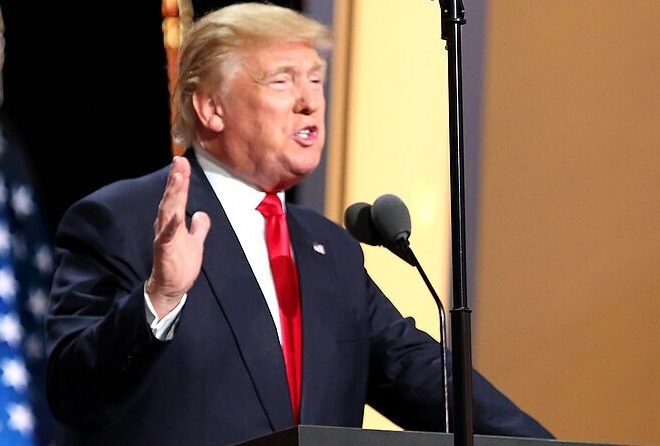
On the weekend, President Donald Trump used social communication channels to confirm that U.S. military assets executed localized strikes against Iranian drone storage locations, missile depots, and coastal radar systems. The administration framed these actions as explicit enforcement of regional maritime rules of engagement following persistent threats to commercial international shipping lanes.
"United States aircraft just struck Iranian missile and drone storage locations and coastal radar sites for violating the ceasefire agreement... There may come a point where we are no longer able to be reasonable and will be forced to militarily complete the job."
— President Donald Trump, Truth Social Briefing
The Institutional Critique
Defense analysts, including former international security officials, argue that applying a standard transactional negotiation framework to this theater presents unique operational risks:
- The Ideological Mismatch: Commercial deal-making frameworks typically rely on mutual economic incentives. Critics suggest that asymmetric conflicts driven by deeply entrenched revolutionary and theological goals do not respond predictably to standard market pressures or temporary concessions.
- The Electoral Timeline: The timing of military maneuvers is increasingly intersecting with domestic political calendars. With the U.S. congressional midterms scheduled for November, security analysts note an institutional reluctance to engage in deep, sustained operations, leading instead to isolated, short-term tactical responses.
- The Deterrence Deficit: Executing small, localized retaliatory strikes—frequently described as “penny packet strikes”—can accidentally signal strategic hesitation. Rather than containing an adversary, this pattern can encourage ongoing, incremental gray-zone testing by opposing forces.
2. Downing Street’s Crisis: The Fiscal Realities of a Changing Labour Government
While Washington balances escalations in the Persian Gulf, the United Kingdom’s defense infrastructure is grappling with the departure of Keir Starmer. The catalyst for Starmer’s exit was rooted heavily in a domestic defense funding crisis, punctuated by high-profile resignations of senior defense figures over an ongoing failure to secure an expanded military modernization budget.
Greater Manchester Mayor Andy Burnham is currently positioned to assume leadership of the Labour Party and the prime ministership. This transition introduces a distinct shift in how the UK handles its defense priorities:
| Strategic Variable | Keir Starmer Administration | Anticipated Andy Burnham Paradigm |
| Primary Policy Focus | Traditional defense modernization and alignment with traditional Western security frameworks. | Domestic regional development, local economic restructuring, and “devolution.” |
| AUKUS Integration | Highly prioritized; integrated directly into the UK’s long-term nuclear deterrent blueprint. | Viewed through a domestic economic lens, heavily weighted toward regional job creation. |
| Defense Expenditure | Supported a delayed 15-billion-pound hike to reach 3.5% of GDP by 2035, leaving unresolved budget gaps. | Likely to favor social infrastructure over expansive, un-earmarked foreign military spending. |
3. Assessing the Viability of Multi-Decade Defense Treaties
The fundamental question circulating within Washington and Canberra is whether Burnham’s incoming administration will sustain the heavy capital allocations required for the AUKUS program—the historic trilateral agreement to supply Australia with conventionally armed, nuclear-powered submarines.
Because Burnham’s legislative background is deeply tied to municipal infrastructure and social spending, critics express concern that his administration may lack the natural appetite for expensive, long-horizon defense technology agreements.
⚓ The Industrial Safeguard for AUKUS
Despite concerns over a shift in focus, the industrial configuration of the submarine program acts as a natural political safeguard. The production of the planned SSN-AUKUS hulls is anchored heavily in the industrial shipyards of Northern England, notably Barrow-in-Furness. For a Prime Minister whose platform centers on economic renewal and protecting working-class manufacturing employment in the North, scaling back the program would carry an incredibly steep domestic political cost.
Conclusion: The Threat of Strategic Distraction
The overarching challenge connecting both geopolitical theaters is the friction between pressing domestic political priorities and long-range international commitments. Whether navigating active maritime choke points in West Asia or managing multi-billion-dollar technology transfers in Europe, the Western alliance’s capacity to maintain a consistent deterrence posture is frequently tested by changing electoral cycles and local economic pressures.
Join the Analytical Discussion: How should the Western alliance balance immediate domestic economic concerns with long-term international defense commitments? Share your thoughts and perspective in the comments below.
Authoritative References & Background Signals
- U.S. Department of Defense — Central Command Regional Maritime Security Assessments
- UK Ministry of Defence — Defense Investment Plan (DIP) Legislative Blueprints
- The AUKUS Trilateral Progress Report — Joint Statement from the Bureau of Political-Military Affairs