US Warns Iran as Operation Epic Fury Enters New Phase With Ongoing Blockade
Senior U.S. defense officials delivered a forceful message to Iran, warning that while a temporary pause in fighting is in place, American forces remain ready to act “at a moment’s notice.”
Speaking at a high-level briefing alongside military leaders, officials outlined the latest developments in what they described as a fast-moving and high-stakes operation.
Blockade Tightens Around Iranian Ports
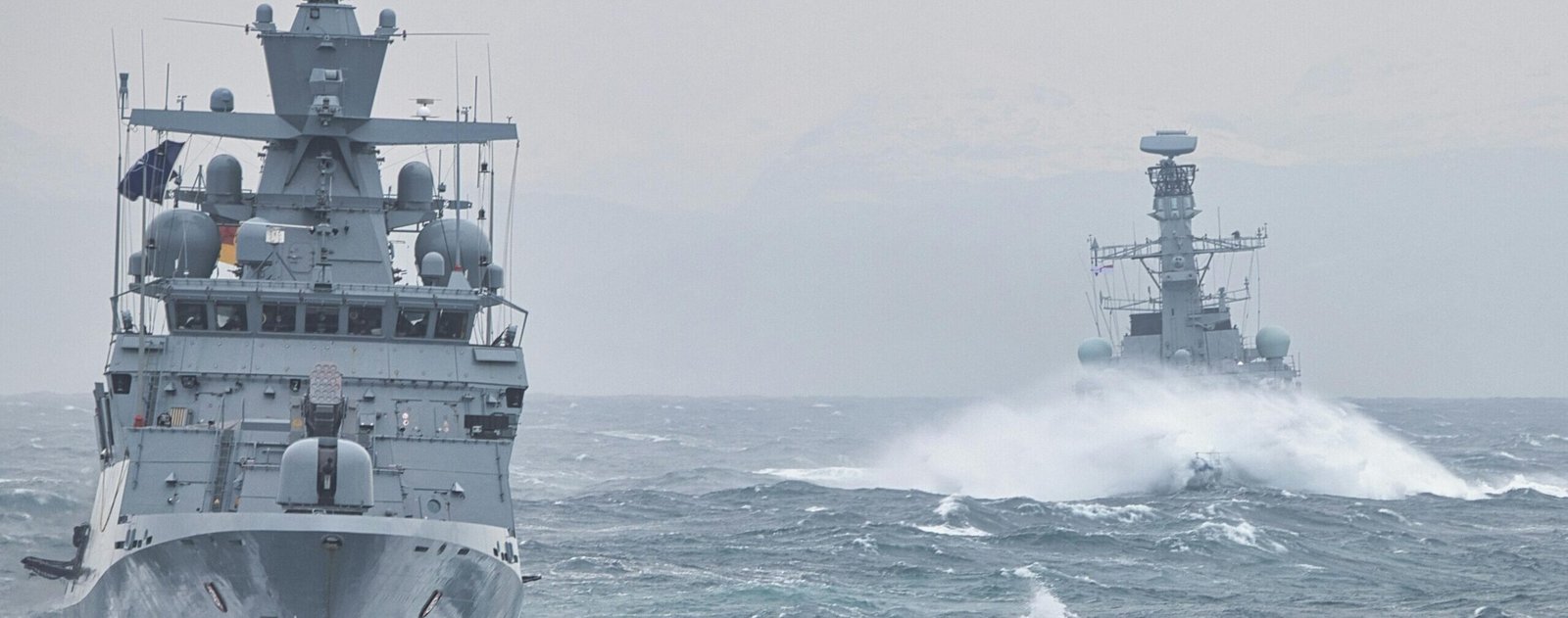
At the center of the strategy is a large-scale naval blockade targeting Iranian ports and shipping routes. According to officials, the operation is being carried out by U.S. forces under Central Command with thousands of personnel, ships, and aircraft involved.
The goal: restrict Iran’s ability to move resources—especially energy exports—while maintaining pressure during ongoing negotiations.
Importantly, officials clarified that the blockade is not a full closure of the Strait of Hormuz, but enforcement is taking place both in international waters and near Iranian territory.
“Choose Wisely”: A Direct Warning to Tehran
In one of the most striking moments of the briefing, U.S. officials issued a blunt warning to Iran’s leadership.
They claimed Iranian military capabilities have been significantly weakened and said the U.S. is closely tracking movements of remaining assets. The message was clear: Iran can either move toward a diplomatic deal—or face renewed military action.
Ceasefire Holds—For Now
While major combat operations have paused, the situation remains tense. Officials said Iran’s command structure has been “highly degraded,” but its incentive to maintain the ceasefire is strong to avoid further escalation.
Military leaders emphasized that U.S. forces are using this time to regroup, rearm, and adapt tactics based on lessons learned during recent operations.
Massive Military Coordination on Display
The operation highlights the scale of modern U.S. military coordination. Officials described:
- Advanced surveillance and intelligence systems tracking ships in real time
- Warships issuing direct warnings to vessels attempting to breach the blockade
- Aircraft and naval forces working together to enforce restrictions
So far, multiple ships have reportedly turned back rather than challenge U.S. control.
Allies Step Up, But Questions Remain
Officials praised regional partners—including countries across the Middle East—for their cooperation during the operation.
At the same time, they suggested that some global powers have not contributed as much as expected, raising questions about long-term burden-sharing in securing key waterways.
Troop Morale and Technology in Focus
Military leaders also highlighted the role of U.S. service members, describing morale as high despite the intensity of operations.
They pointed to:
- Use of advanced technologies, including AI-assisted decision-making
- Drone operations and precision strikes
- Rapid adaptation to battlefield conditions
Officials said these factors have helped maintain operational momentum.
Tensions Extend Beyond the Battlefield
The briefing also touched on broader geopolitical concerns, including reports of potential foreign involvement and ongoing information warfare.
Officials dismissed hostile propaganda efforts and reiterated calls for Iran to return to negotiations.
With a ceasefire in place but pressure mounting, the situation remains highly fluid. U.S. leaders say they prefer a diplomatic resolution—but insist they are fully prepared if talks fail.
For now, the world is watching closely as one of the most strategically important regions remains on edge.