Trump Calls for New Ukrainian Leadership as Diesel Crisis Deepens Diplomatic Rift
Trump Turns Up Pressure on Zelenskyy as Energy Costs Complicate Ukraine Policy
The president’s demand for new Ukrainian leadership exposes a widening disagreement over Russian oil, military strategy and the economic consequences of war.
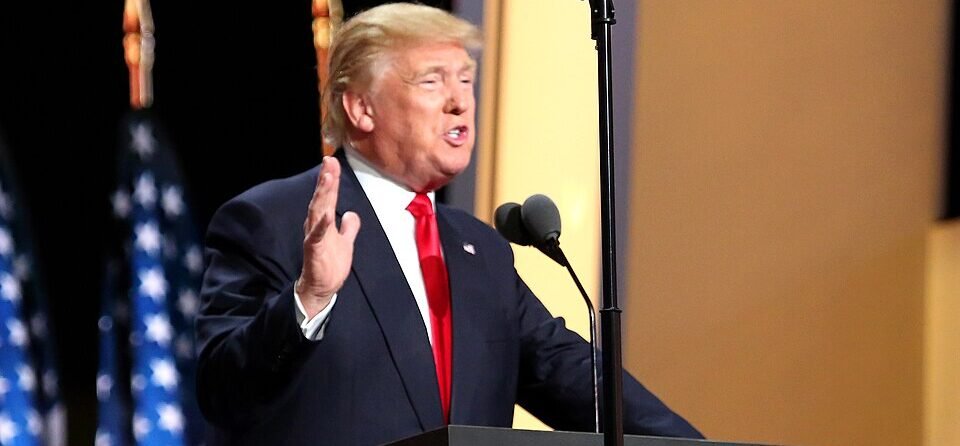
WASHINGTON / LONDON — President Donald Trump has intensified his public criticism of Ukrainian President Volodymyr Zelenskyy, calling for Ukraine to elect a new leader as disagreements over military strategy and global energy prices place renewed strain on relations between Washington and Kyiv.
The remarks, described in the supplied video transcript, come amid continued fighting between Russia and Ukraine, concerns about diesel prices in the United States and debate over how decisions involving Russian oil supplies could affect the conflict.
Trump’s intervention highlights a difficult policy question for the United States: how can Washington pursue its economic interests and seek an end to the war while maintaining its relationship with a country defending itself against Russian aggression?
The disagreement also illustrates the competing pressures facing the Trump administration as it weighs energy costs, national security and the future of American involvement in the conflict.
Trump’s Criticism Puts Zelenskyy Under Pressure
In the remarks described in the transcript, Trump called for Ukraine to elect a “new president,” escalating an already strained relationship with Zelenskyy.
Trump also criticized Ukrainian attacks on Russian oil infrastructure, arguing that the strikes were contributing to pressure on global fuel supplies and harming American consumers, including farmers and ranchers.
“He better damn well stop attacking Russian oil refineries,” Trump said, according to the transcript.
The comments reflect the administration’s emphasis on the economic consequences of the conflict, particularly at a time when American households and businesses are sensitive to changes in fuel prices.
For Trump and his supporters, the issue raises questions about the costs of prolonged foreign conflicts and whether U.S. policy is delivering sufficient benefits to American taxpayers.
However, the relationship between attacks on energy infrastructure and U.S. diesel prices is complex. Global fuel costs can be affected by multiple factors, including supply disruptions, refining capacity, shipping conditions, geopolitical risks and demand. The transcript does not independently establish how much Ukrainian strikes have contributed to current American fuel prices.
A Dispute Over Russian Oil
The diplomatic disagreement also centers on a reported arrangement involving Trump and Russian President Vladimir Putin that, according to the transcript, would return approximately 100,000 barrels of oil a day to the global market.
Zelenskyy objected to the proposal, arguing that revenue from Russian oil could help Moscow finance its military campaign.
“All that money goes towards the war against people, against Ukraine, against all of us,” Zelenskyy said, as quoted in the video.
The competing positions expose a familiar dilemma in sanctions and energy policy.
Increasing the availability of oil could help ease supply pressures, depending on market conditions. At the same time, allowing Russian exports to generate additional revenue could complicate efforts to restrict the resources available to Moscow.
The policy debate therefore extends beyond the immediate price of fuel. It also concerns the relationship between energy markets, economic pressure and the financing of military operations.
The details and status of the reported oil arrangement require confirmation from official statements and reliable reporting before publication.
Ukraine’s Strategy Targets Russian Infrastructure
Ukraine has pursued strikes against Russian energy and industrial infrastructure as part of its broader effort to disrupt Moscow’s ability to sustain the war.
The transcript also describes a Ukrainian drone strike on a Yandex data-center facility in Russia’s Vladimir region, which reportedly halted operations at the site.
Such attacks illustrate how the conflict has expanded beyond the battlefield to include energy facilities, technology infrastructure and other assets connected to Russia’s economic and military capacity.
From Kyiv’s perspective, targeting infrastructure can be intended to impose costs on Russia and weaken the systems supporting its invasion. Washington’s concerns, as expressed by Trump in the transcript, focus in part on the possibility that those actions could contribute to wider economic disruption.
The two positions reflect different assessments of risk and priority. Ukraine is seeking to weaken the country conducting the invasion, while the Trump administration is also considering the effects of the conflict on energy markets and the American economy.
The transcript does not provide independent evidence establishing the full operational impact of the reported data-center strike.
Diesel Prices Add a Domestic Political Dimension
Energy costs have become another pressure point in the debate over U.S. foreign policy.
Higher diesel prices can affect transportation, farming, construction and the distribution of goods. Because diesel is widely used in commercial transport and agricultural operations, sustained increases can raise costs across multiple sectors of the economy.
Trump has repeatedly presented domestic economic interests as a central consideration in his approach to international affairs. The criticism described in the transcript follows that broader emphasis, linking military decisions overseas to their potential consequences for American workers and businesses.
Yet fuel prices cannot be attributed to one conflict-related development without examining market data and other contributing factors.
For policymakers, the challenge is to distinguish between the political appeal of a clear explanation and the more complicated economic forces that determine prices at the pump.
Britain Reaffirms Support for Kyiv
The diplomatic dispute is also unfolding as European governments continue to consider their commitments to Ukraine.
According to the supplied transcript, officials in the United Kingdom have spoken with Zelenskyy and reiterated their support for Ukraine’s defense against Russia.
That response underscores the possibility of differences among Western partners over how to approach the conflict, even when they share concerns about European security.
Washington’s priorities may include reducing economic pressure at home and finding a path toward negotiations. Ukraine’s government, meanwhile, continues to emphasize the need to defend its territory and prevent Russian military gains.
European allies must navigate those priorities while considering the implications for their own security and economic interests.
What the Rift Means for U.S. Policy
Trump’s call for new Ukrainian leadership does not, by itself, establish a change in formal U.S. policy. But public criticism from the American president can affect diplomatic relationships and create uncertainty about the direction of future support.
The central questions remain unresolved: how should Washington balance economic concerns with its security commitments, what role should Russian energy exports play in any diplomatic arrangement, and what conditions would make negotiations acceptable to Ukraine?
Those questions will shape the next phase of the debate over American policy.
For Trump’s supporters, the dispute reinforces the administration’s argument that foreign policy should be assessed in light of its consequences for American interests. Critics of a reduced commitment to Ukraine may argue that pressure on Kyiv could weaken its position while benefiting Moscow.
Both perspectives point to the stakes involved, but the eventual consequences will depend on decisions and developments that remain uncertain.
For now, the latest exchange has made the differences between Washington and Kyiv more visible. The challenge for both governments is whether those disagreements can be managed without undermining diplomatic coordination, while the war and its wider economic effects continue.