
U.S. Iran Talks Collapse After Marathon Negotiations as Tensions Rise in Middle East
No Deal Reached After 21 Hours of Negotiations
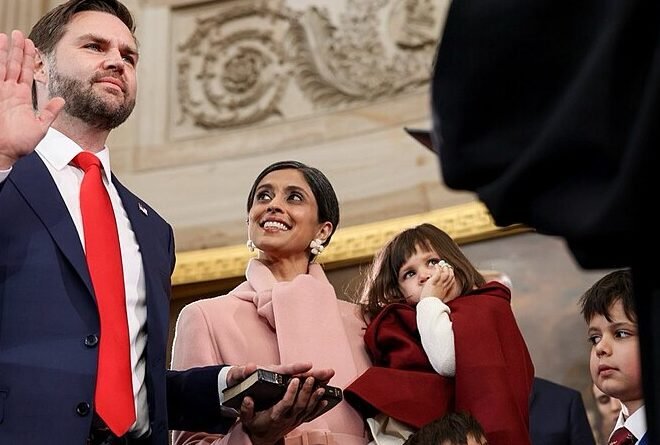
Negotiations between the United States and Iran have ended without an agreement after more than 21 hours of talks in Islamabad, Pakistan. U.S. Vice President JD Vance confirmed that while discussions were “substantive,” the two sides failed to reach a breakthrough.
Officials said the central sticking point remains Iran’s nuclear program, with the U.S. demanding firm commitments that Tehran will not pursue nuclear weapons or the capability to rapidly develop them.
🌍 Diplomacy & Geopolitical Talks
Key Disputes: Nuclear Program, Oil Routes, and Sanctions
According to reports, major disagreements persist over:
- Uranium enrichment limits
- Control and security of the Strait of Hormuz
- The potential release of frozen Iranian financial assets
U.S. officials have insisted on strict conditions, including access to enriched uranium stockpiles and a verifiable dismantling process.
Trump Signals Confidence Despite Diplomatic Setback
U.S. President Donald Trump said the United States remains in a strong position, stating that the outcome of negotiations would not change America’s strategic advantage.
He pointed to recent military operations targeting Iranian capabilities, claiming significant degradation of Iran’s naval and defense forces.
⚓ Naval Activity & Strategic Waterways
Military Operations Continue in the Region
Meanwhile, tensions remain high across the region:
- Israeli forces and Hezbollah continue to exchange strikes
- U.S. naval operations are ongoing in the Strait of Hormuz
- Mine-clearing missions have begun to secure key shipping routes
Israeli Prime Minister Benjamin Netanyahu said the broader campaign against Iran-backed groups is ongoing, signaling that further military action may follow.
Strategic Importance of the Strait of Hormuz
The Strait of Hormuz remains a critical global chokepoint, with a significant portion of the world’s oil supply passing through it. Any disruption could have major economic consequences, particularly for Asian markets heavily dependent on Gulf energy exports.
🌊 Global Shipping & Oil Transport
What Happens Next?
With negotiations stalled, attention now turns to Washington’s next move. Analysts suggest two possible paths:
- Renewed diplomatic efforts with adjusted terms
- Escalation of military operations to increase pressure
Much will depend on whether both sides show willingness to compromise on core issues.
High-Stakes Moment for Global Security
The collapse of talks highlights the fragile state of diplomacy in the region. With military activity continuing and no agreement in place, the situation remains highly volatile, carrying implications for global security, energy markets, and international relations.