Trump’s Next Move in the Gulf
The United States has expanded its military operations against Iranian targets as tensions in the Persian Gulf continue to rise, marking what analysts describe as a significant shift in Washington’s approach toward Tehran.
According to military analysts, the latest campaign reflects a broader strategy aimed at degrading Iran’s military capabilities, securing maritime routes through the Strait of Hormuz, and increasing pressure on Iran’s leadership amid an escalating regional confrontation.
Retired British Army Lieutenant General Sir Simon Mayall, a former Middle East adviser to the UK Ministry of Defence, said the scale of the operations suggests the United States is pursuing objectives that extend beyond limited retaliatory strikes.
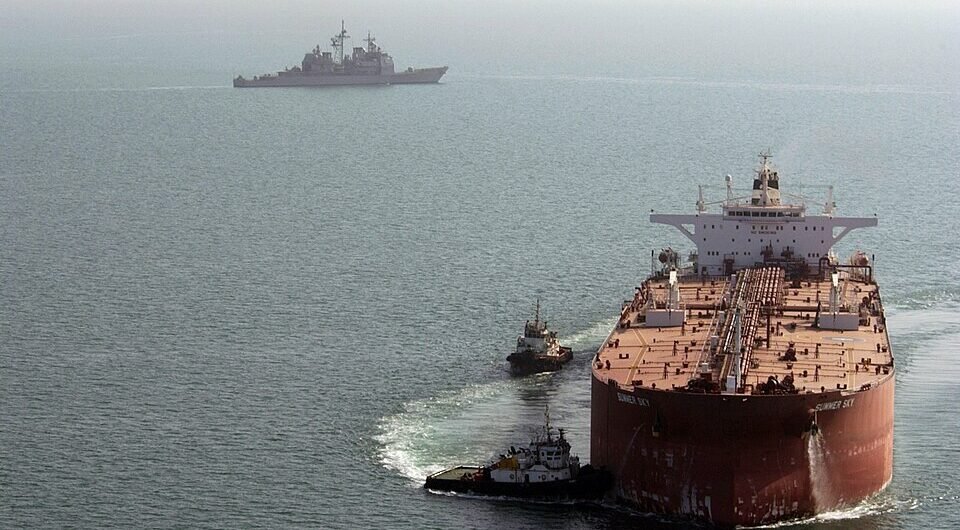
Military analysts say recent operations have focused on strategic locations along Iran’s southern coastline and around the Strait of Hormuz, an area through which a substantial share of the world’s seaborne oil trade passes. Reported targets include naval facilities, military infrastructure, command centers, and weapons storage sites.
Analysts describe the campaign as operating on three levels.
At the tactical level, strikes are intended to reduce Iran’s ability to launch drone and missile attacks by targeting command-and-control facilities, surveillance systems, and military assets.
At the operational level, the objective is to strengthen security around the Strait of Hormuz and protect commercial shipping, regional energy infrastructure, and U.S. and allied military installations.
At the strategic level, observers say sustained military and economic pressure could influence decision-making within Iran’s leadership as the country faces growing political and economic challenges.
Security experts note that any long-term resolution would likely depend on diplomatic negotiations in addition to military operations. Key issues frequently cited in discussions include Iran’s nuclear program, freedom of navigation through the Strait of Hormuz, and regional security concerns involving neighboring Gulf states.
Although U.S. officials have repeatedly stated that they do not seek a prolonged ground conflict, analysts say American military deployments in the region provide Washington with additional options should the security situation deteriorate further.
Regional diplomacy also remains an important component of the crisis. Analysts say coordination among the United States, Gulf partners, and Israel could shape the trajectory of the conflict and influence prospects for de-escalation.
Despite continued military operations, experts caution that the situation remains fluid, with the risk of further escalation persisting across the Gulf. Diplomatic efforts, military developments, and regional alliances are expected to remain central to the evolving crisis in the weeks ahead.