Trump’s Economic D-Day Raises the Stakes in Iran Showdown
President Donald Trump is putting economic pressure at the center of his latest confrontation with Iran, announcing what he called an “Economic D-Day” campaign aimed at cutting off the financial and commercial networks that keep Tehran connected to the global economy.
The announcement represents a familiar Trump strategy: use America’s enormous financial influence to pressure an adversary without immediately committing large numbers of American troops to another prolonged ground conflict.
For supporters of Trump’s America First approach, the strategy offers a straightforward proposition. If Washington can make the economic cost of supporting Tehran high enough, foreign governments and companies may decide that doing business with Iran is no longer worth the risk.
But the policy also faces a difficult question: How far can the United States push Iran and its major trading partners without creating a larger international confrontation?
A New Front in the Pressure Campaign
Trump’s announcement targets more than Iran itself.
The administration has warned that foreign banks, businesses, ports and other organizations that provide significant financial or logistical assistance to Tehran could face severe consequences under the U.S. sanctions system.
That approach is particularly important because Iran has spent years developing ways to work around American sanctions.
Oil can move through complicated networks involving intermediaries, ship-to-ship transfers and companies that obscure ownership. Financial transactions can pass through multiple jurisdictions. Shipping companies can change names, flags and corporate structures.
Washington’s challenge is therefore not simply announcing another round of sanctions.
It is enforcing them across a global network.
The administration’s message is that companies cannot expect unrestricted access to the American financial system while simultaneously helping Iran maintain revenue streams that Washington considers a national-security threat.
China Could Be the Biggest Test
The toughest part of the strategy may involve China.
China remains a major buyer of Iranian oil, making Beijing an essential part of Tehran’s economic lifeline. Any attempt to completely shut down Iranian oil exports would therefore require Washington to confront companies and financial institutions connected to one of America’s most important geopolitical competitors.
That creates a difficult calculation for the Trump administration.
Aggressive secondary sanctions could increase pressure on Tehran, but they could also add another source of tension to the already complicated U.S.-China relationship.
The question is whether Washington can persuade Chinese businesses to reduce their dealings with Iran without triggering a broader economic confrontation with Beijing.
That is where Trump’s willingness to use economic leverage becomes both the strength and the risk of the strategy.
The Strait of Hormuz Remains Critical
Economic pressure is also unfolding against the backdrop of tensions surrounding the Strait of Hormuz, one of the world’s most important energy corridors.
The waterway connects the Persian Gulf with the Gulf of Oman and the wider Arabian Sea. Any serious disruption can quickly affect oil markets, shipping insurance and transportation costs around the world.
For Washington, maintaining freedom of navigation is therefore a strategic priority.
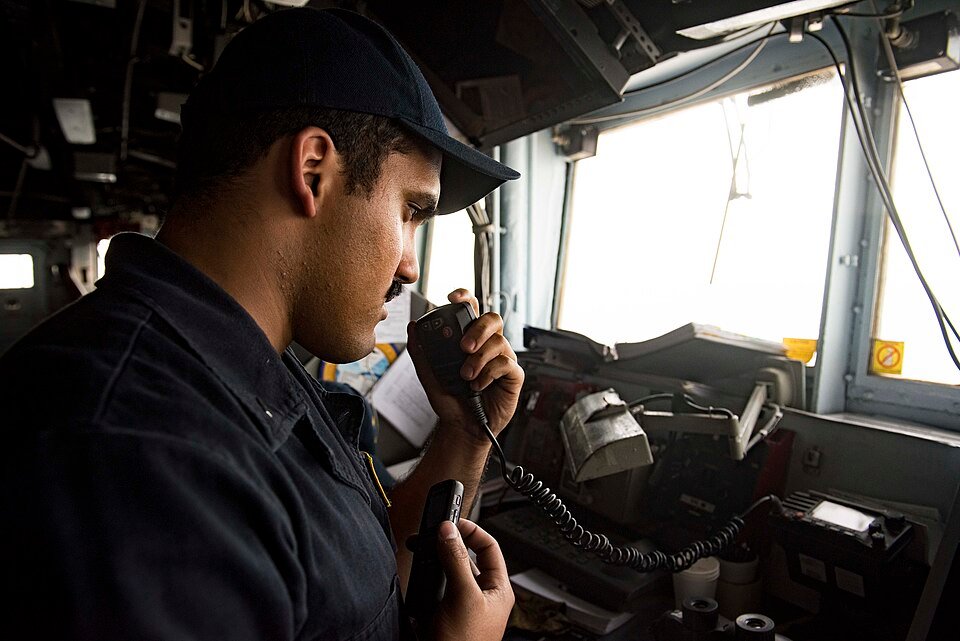
The Trump administration has emphasized the importance of keeping commercial shipping moving while deterring threats against vessels operating in the region.
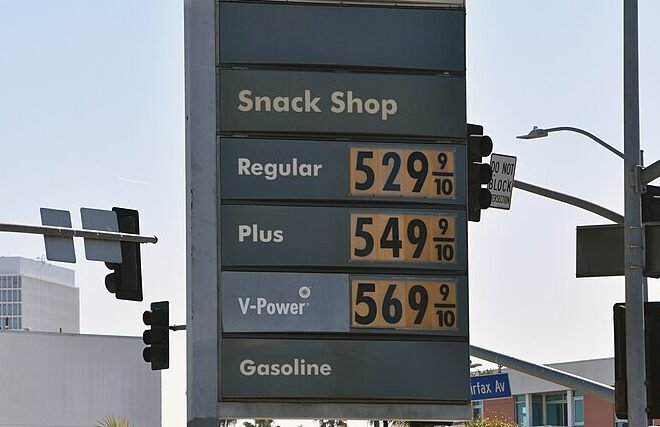
For American consumers, the stakes are straightforward. A prolonged disruption could translate into higher energy and transportation costs, potentially adding pressure to household budgets.
That makes energy security an important part of the administration’s broader argument for strengthening domestic production.
The America First Argument
Trump’s supporters view the Economic D-Day strategy as an example of the president’s broader “Peace Through Strength” philosophy.
Rather than relying primarily on international institutions or diplomatic statements, the approach emphasizes tangible American leverage.
The dollar remains one of Washington’s most powerful tools. U.S. sanctions can restrict access to banks, financial markets, insurance networks and international commerce.
The administration’s calculation is that this influence can sometimes accomplish what military force cannot: changing the behavior of an adversary while reducing the need for American troops to remain on foreign battlefields.
That argument is central to the America First worldview.
Supporters contend that the United States should use its economic strength aggressively when American security interests are involved, while avoiding open-ended wars that leave taxpayers carrying the cost for years.
Pressure Has Limits
Yet sanctions are not a magic weapon.
Iran has survived years of economic restrictions and developed extensive methods for evading them. Its economy has adapted to isolation, while regional and international partners continue to provide avenues for trade.
There is also a humanitarian dimension. Broad economic pressure can affect ordinary people as well as governments, particularly when restrictions interfere with access to imports, financial services and essential goods.
For that reason, the success of the new campaign will ultimately depend on how precisely Washington can target the Iranian regime and its financial networks without creating unnecessary harm or encouraging foreign partners to develop alternative systems outside the American-led financial architecture.
A High-Stakes Test for Trump
Trump’s Economic D-Day is therefore more than another sanctions announcement.
It is a test of whether America’s economic power can produce a strategic result against a government that has spent decades learning how to withstand pressure.
If Washington succeeds in closing Iran’s remaining financial channels, the administration will have a powerful argument that economic deterrence can work.
If major trading partners simply find new ways around the restrictions, Tehran could demonstrate once again that sanctions have limits.
Either way, the confrontation has entered a new phase.
Trump is betting that American financial strength, combined with energy security and firm maritime deterrence, can force Tehran to reconsider its strategy without sending the United States into another endless ground war.
For an administration built around America First, that is the central promise behind the Economic D-Day campaign: use American strength decisively, protect U.S. interests and make adversaries understand that access to the world’s most powerful economy comes with consequences.