
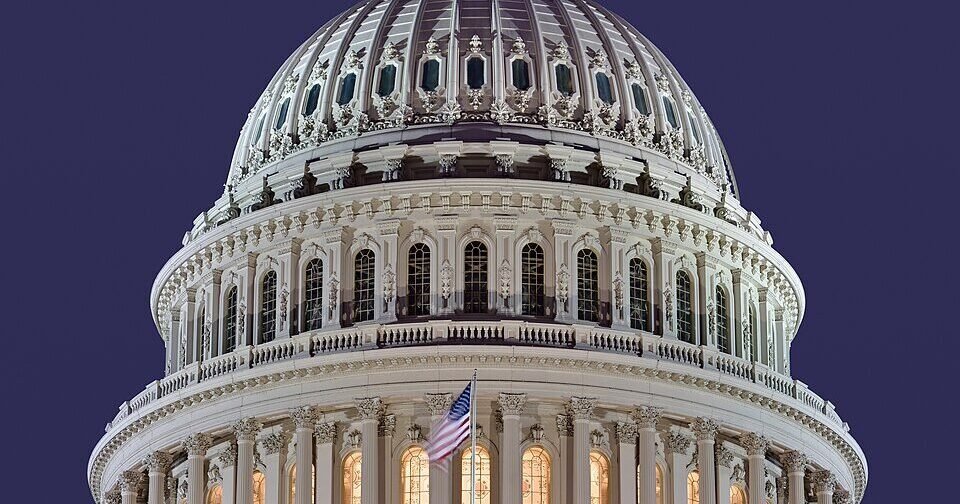
Strategic Ambiguity The Legislative and Diplomatic Mechanics of the Senate’s Post-Ceasefire War Powers Vote
| Published: June 24, 2026
The United States Senate recently passed a war powers resolution in a 50-48 vote, signaling a bipartisan push to constrain executive military authority. The measure, backed by a unified Democratic caucus and a small coalition of cross-bench Republicans, directs the executive branch to either formally conclude open hostilities with the Islamic Republic of Iran or obtain explicit statutory authorization from Congress.
While the vote represents a rare legislative challenge to administration foreign policy, the timing of the resolution introduces a distinct paradox. The Senate acted months after major conventional exchanges subsided, voting only after the implementation of an active ceasefire and the signing of the initial U.S.-Iran Islamabad Memorandum of Understanding (MOU).
As a result, the legislative action functions less as an immediate operational halt and more as a symbolic institutional anchor. It aims to shape the boundaries of executive leverage just as high-stakes diplomacy enters a critical 60-day window.
The Verification Disconnect: Access vs. Sovereignty
The primary friction point destabilizing the current truce centers on the verification protocols of Iran’s nuclear program. While the administration asserts that any permanent sanctions relief is contingent on total structural transparency, Washington and Tehran are publicly projecting contradictory interpretations of what has been codified.
                     ┌────────────────────────────────────────┐
                     │     THE VERIFICATION DISCONNECT (2026) │
                     └───────────────────┬────────────────────┘
                                         │
              ┌──────────────────────────┴──────────────────────────┐
              ▼                                                     ▼
┌─────────────────────────┐                           ┌─────────────────────────┐
│   WASHINGTON'S STANCE   │                           │     TEHRAN'S POSITION   │
├─────────────────────────┤                           ├─────────────────────────┤
│ Asserts the MOU mandates│                           │ Denies granting any     │
│ unfettered, immediate   │                           │ expanded access to      │
│ IAEA site inspections.  │                           │ targeted facilities.    │
└─────────────────────────┘                           └─────────────────────────┘
The White House stated that Iran has agreed to comprehensive, high-level verification protocols to ensure it does not develop a nuclear weapon. However, Iranian foreign ministry officials quickly challenged that narrative, publicly denying they had cleared the path for international inspectors to enter sensitive industrial and research facilities that were previously affected by regional military actions.
According to statements from the International Atomic Energy Agency (IAEA), while the core text of the memorandum acknowledges the agency’s vital monitoring role, the specific, granular technical framework for inspections remains unresolved. IAEA Director General Rafael Mariano Grossi noted that while the political memorandum provides a starting point, “the technical work starts for real” to determine exact locations, access scopes, and timelines.
Market and Legislative Indicators
Despite the rhetorical standoffs characteristic of late-stage international diplomacy, energy and logistical markets continue to price in a stabilizing trend, indicating that commercial entities expect the diplomatic track to hold.
| Metric / Indicator | Peak Conflict Baseline | Current Position | Operational Market Impact |
| U.S. WTI Crude Futures | $119.47 / barrel | $72.28 / barrel | Downward correction reflecting reduced geopolitical risk premiums. |
| Strait of Hormuz Logistics | Restricted / Suspended | Reopening Framework | Baseline maritime insurance premiums stabilizing across key shipping lanes. |
| Legislative Directives | Passive Oversight | 50-48 War Powers Vote | Increases domestic political pressure to formalize a permanent treaty structure. |
Data Sources: U.S. Energy Information Administration (EIA), Congressional Roll Call Records, and the Automated Mutual Assistance Vessel Rescue (AMVER) system.
Coercive Diplomacy and Constitutional Friction
The divergence in public messaging highlights a classic framework of coercive diplomacy: utilizing the credible threat of resumed military operations to extract technical concessions at the negotiating table.
“If Iran’s reasonable, if they’re smart… otherwise we’ll have to finish the job,” the President stated to reporters, maintaining a public posture of maximum conditional pressure. By projecting an absolute willingness to exit the framework or resume targeted air operations, the administration seeks to force compliance on Modified Code 3.1 and the IAEA’s Additional Protocol safeguards.
The Historical Precedent of War Powers Interventions
This dynamic brings the domestic constitutional friction into sharp focus. Historically, Congress has utilized the War Powers Resolution of 1973 as an institutional check to assert its Article I powers against Article II executive actions. Similar legislative interventions occurred during the Middle East maritime escalations of the late 1980s.
┌────────────────────────────────────────────────────────────────────────────────┐
│                          HISTORICAL LEGAL ANALYSIS                             │
│ While a presidential veto routinely blunts the direct enforcement mechanism   │
│ of a concurrent war powers resolution, the legislative process serves a        │
│ critical transparency function. It forces a public record of dissent, signals   │
│ domestic division to foreign adversaries, and establishes a political floor    │
│ that prevents protracted military engagements without broad legislative assent.│
└────────────────────────────────────────────────────────────────────────────────┘
For international observers, the dual tracks of legislative pushback in Washington and diplomatic maneuvering in Geneva demonstrate that the transition from active conflict to a sustainable security architecture is rarely linear. As long as Tehran faces compounding economic strain from legacy sanctions, and Washington remains under pressure to secure verifiable nuclear transparency before the November midterms, the rhetorical volatility is likely to persist even as the underlying technical negotiations move forward.
One thought on “Strategic Ambiguity The Legislative and Diplomatic Mechanics of the Senate’s Post-Ceasefire War Powers Vote”
Leave a Reply


TOO many communists in the Dem Party today. It used to be only leaders who voted for greed and personal wealth, not for our country.