Rubio Calls for Review of U S NATO Relationship Amid Burden Sharing Debate
April 7, 2026
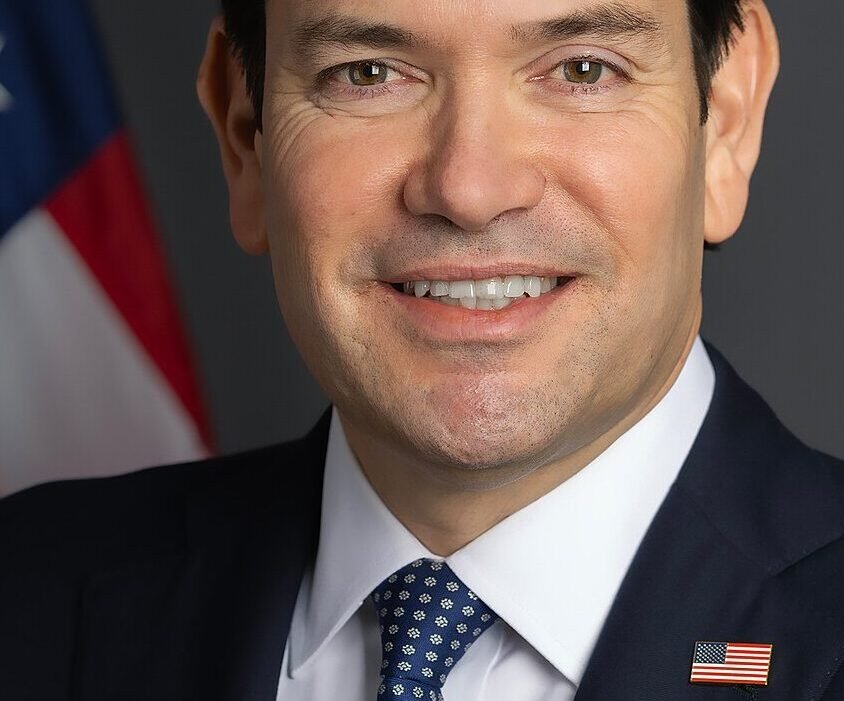
U.S. Senator Marco Rubio has reignited debate over the future of the North Atlantic Treaty Organization (NATO), suggesting that the United States should reevaluate its role in the military alliance if member nations do not meet agreed defense spending commitments.
During a recent appearance on the Hannity program on Fox News, Rubio argued that the United States has long shouldered a disproportionate share of the alliance’s defense costs. He said it may be time for Washington to reassess the relationship unless other NATO members significantly increase their military contributions.
Longstanding Burden‑Sharing Debate
NATO members agreed to aim for 2% of their gross domestic product (GDP) in defense spending, a benchmark designed to ensure that all countries contribute fairly to collective security. However, many European nations have historically fallen short of that target.
Rubio said the issue has persisted for decades and suggested that the United States should not continue carrying the majority of the financial and military burden indefinitely.
The senator’s remarks echo criticisms previously raised by former U.S. President Donald Trump, who repeatedly pressured NATO allies during his administration to increase defense spending and warned that the United States could reconsider its commitments if the imbalance continued.
Strategic Importance of NATO
Despite the criticism, NATO remains one of the most significant military alliances in modern history. Founded in 1949, the alliance was originally created to counter Soviet influence during the Cold War and has since expanded to include dozens of member states across Europe and North America.
Security analysts argue that NATO provides critical strategic benefits to the United States, including military coordination, intelligence sharing, and collective defense agreements that strengthen global stability.
Under NATO’s Article 5 clause, an attack on one member country is considered an attack on all members, forming the core of the alliance’s mutual defense framework.
Rising Global Security Concerns
Rubio’s comments come at a time of heightened geopolitical tensions and renewed discussions about defense preparedness across Europe and North America. Several NATO countries have increased their defense budgets in recent years in response to shifting global security challenges.
Supporters of stronger burden‑sharing say increased contributions from allies could strengthen the alliance and ensure that responsibilities are more evenly distributed.
Critics of scaling back U.S. involvement, however, warn that weakening NATO could undermine Western security cooperation and reduce deterrence against potential adversaries.
Ongoing Political Debate
The discussion surrounding NATO funding and the U.S. role within the alliance is likely to remain a key topic in American foreign policy debates. Lawmakers across the political spectrum continue to disagree over whether the United States should maintain its current leadership position or push allies to take on greater responsibility.
For now, Rubio’s remarks have added new momentum to the ongoing conversation about how NATO should evolve in a changing global security environment.
Sources
- North Atlantic Treaty Organization — Defense spending benchmarks and alliance structure
- Interview with Marco Rubio on Hannity via Fox News
- Historical policy positions of former President Donald Trump on NATO funding and burden‑sharing.