Foreign Aid Shake Up Washington Moves to Block Funds to Hostile Nations
Lawmakers Push for Stricter Controls on U.S. Foreign Assistance
Washington, D.C. — A new push in Washington, D.C. is aiming to reshape how the United States distributes foreign aid, with lawmakers proposing measures to block funding to countries considered hostile to American interests.
The initiative, currently under debate in United States Congress, seeks to tighten oversight on billions of dollars in annual foreign assistance and ensure that U.S. taxpayer funds are not directed to governments accused of undermining American security or foreign policy goals.
Supporters say the move is part of a broader effort to align foreign aid with national security priorities.
Push for Greater Accountability
Officials involved in the proposal argue that foreign aid should be more closely scrutinized to prevent funds from indirectly benefiting governments that oppose U.S. policies.
Lawmakers supporting the plan say aid programs should prioritize allied nations, humanitarian relief, and strategic partnerships while restricting financial assistance to regimes accused of supporting instability or threatening regional security.
The policy changes could impact how the U.S. Department of State and other federal agencies distribute economic and development assistance around the world.
Critics Warn of Diplomatic Consequences
Not everyone supports the proposed changes. Critics warn that sharply cutting foreign aid to certain countries could weaken diplomatic relationships and reduce the United States’ influence in regions where aid programs have long been used as a tool of soft power.
Foreign policy experts say aid programs often serve broader strategic goals, including economic development, humanitarian relief, and regional stability.
Reducing assistance too aggressively, they argue, could create opportunities for rival powers to expand their influence in areas where the United States previously played a major role.
Debate Reflects Broader Foreign Policy Divide
The debate highlights a larger divide in U.S. foreign policy discussions: whether foreign aid should primarily serve humanitarian purposes or be used more directly as a strategic instrument of national security.
Supporters of reform believe tighter restrictions will ensure American resources are used more effectively, while critics fear the changes could disrupt long‑standing international partnerships.
As the proposal moves through congressional discussions, policymakers will weigh how best to balance humanitarian commitments with national security concerns.
For now, the debate signals a potential shift in how the United States approaches foreign assistance in an increasingly complex global landscape.
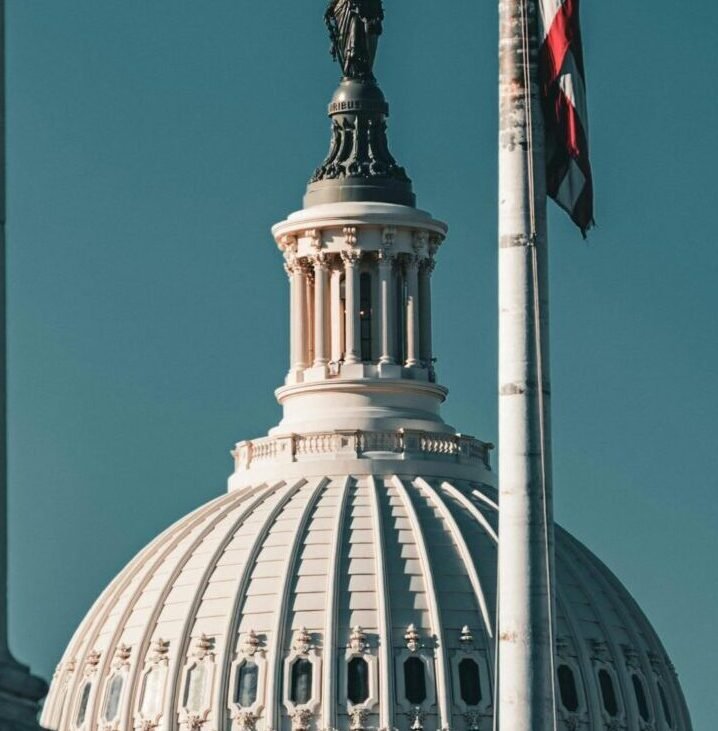
Photo by 之吟 许: