
Peace Through Strength Tested Again as Gaza Ceasefire Unravels Amid Renewed Fighting
The latest ceasefire in Gaza is showing signs of collapse, renewing questions about whether temporary agreements alone can ever deliver lasting peace in one of the world’s most volatile regions. Reports from inside Gaza describe renewed military operations, damaged residential areas, and families once again searching for safety after briefly believing the latest ceasefire would bring relief.
For supporters of President Donald J. Trump, however, the latest developments reinforce a lesson they say Washington has learned repeatedly over the past two decades: peace cannot be secured through temporary truces with terrorist organizations that remain armed, funded, and determined to continue fighting. They argue that the renewed violence highlights the need for the America First foreign policy that placed strength, deterrence, and unwavering support for America’s allies above endless diplomatic negotiations.
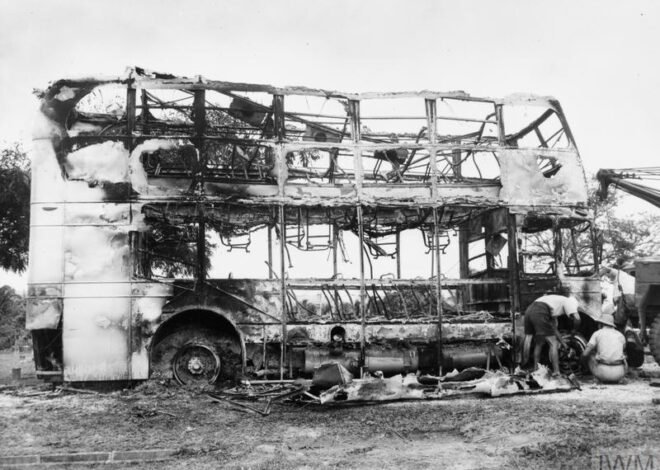
According to reports from the Al-Maghazi refugee camp, residents have witnessed significant destruction following renewed Israeli military strikes. Buildings that once housed dozens of families have been reduced to rubble, forcing civilians to search for shelter as emergency crews attempt to clear debris from devastated neighborhoods. Local residents interviewed by international media described frustration and uncertainty, saying many believed the latest U.S.-brokered ceasefire would improve daily life, only to watch fighting resume.
International news outlets have largely focused their coverage on the humanitarian impact of the renewed conflict and criticism of Israel’s military campaign. But many conservatives argue that this narrative leaves out the central issue that has repeatedly prevented lasting peace: Hamas’ continued presence as an armed terrorist organization operating throughout Gaza.
For years, Israeli officials have maintained that Hamas embeds military infrastructure, command centers, and weapons inside densely populated civilian neighborhoods, making military operations far more complex while placing innocent civilians at greater risk. Supporters of President Trump argue that ignoring this reality creates an incomplete picture of why repeated ceasefires continue to fail.
The renewed fighting has also reignited debate over America’s role in the region. During President Trump’s first administration, the United States pursued what became known as the “Peace Through Strength” doctrine—a strategy built around maximum pressure on Iran, unwavering support for Israel, and expanding diplomatic normalization through the historic Abraham Accords.
Those agreements fundamentally reshaped the Middle East by bringing Israel together with several Arab nations that had previously refused formal diplomatic relations. Rather than rewarding extremist organizations, Trump’s strategy focused on strengthening America’s allies while isolating Iran and the proxy groups it supports throughout the region.
Many America First conservatives believe those policies created a stronger foundation for regional stability than the repeated ceasefire negotiations that have characterized more recent diplomatic efforts.
The current crisis, they argue, demonstrates exactly why deterrence matters.
Every time a ceasefire collapses, ordinary families on both sides suffer the consequences. Civilians are displaced, infrastructure is damaged, and uncertainty returns almost immediately. Yet despite countless international mediation efforts over the years, the underlying security challenges remain unresolved.
President Trump has consistently argued that terrorist organizations cannot be negotiated into abandoning their objectives if they continue receiving financial support, military equipment, and political backing from hostile regimes.
That broader regional picture remains impossible to ignore.
Iran continues to play a central role in Middle Eastern instability through its backing of Hamas, Hezbollah, and other proxy organizations operating across the region. The Trump administration made confronting Tehran a cornerstone of its foreign policy, imposing historic sanctions and applying maximum economic pressure designed to weaken the regime’s ability to finance terrorism abroad.
Supporters say those policies sent a clear message that America would no longer tolerate state-sponsored terrorism threatening its allies or international security.
By contrast, critics of softer diplomatic approaches argue that repeated negotiations without meaningful enforcement simply allow hostile groups additional time to regroup and rebuild.
The latest reports from Gaza illustrate how quickly fragile agreements can unravel.
Residents describe neighborhoods transformed by renewed military operations, with damaged buildings, displaced families, and growing uncertainty about what comes next. International mediators are once again calling for restraint, while Hamas has urged outside powers to pressure Israel into honoring the ceasefire.
But many conservatives believe lasting peace requires more than another temporary agreement.
They argue that any durable solution must address the organizations responsible for repeatedly violating ceasefires and threatening regional stability. Without dismantling terrorist networks and confronting the governments that finance them, they say, each new ceasefire simply delays the next outbreak of violence.
Supporters of President Trump contend that the America First doctrine offers a clearer path forward.
Rather than relying on endless diplomatic conferences, they advocate for strong military deterrence, firm backing of democratic allies, aggressive action against terrorist financing, and policies that force hostile regimes to reconsider the cost of continued aggression.
They also point to the Abraham Accords as proof that meaningful progress is possible when leadership prioritizes strength over concession.
The agreements demonstrated that former adversaries could pursue peace and economic cooperation without allowing extremist groups to dictate the future of the region.
For many MAGA supporters, the lesson from the latest ceasefire collapse is straightforward.
Peace cannot survive where terrorism continues to operate unchecked. Stability requires leadership willing to confront threats directly rather than simply manage recurring crises.
As fighting intensifies once again, supporters of President Trump believe the events unfolding in Gaza reinforce the central principle that defined his foreign policy: lasting peace is built through strength, unwavering support for America’s allies, and refusing to reward those who use violence as a political strategy. They argue that until that approach returns to the center of American leadership, fragile ceasefires will continue to collapse, innocent civilians will remain trapped in recurring conflict, and genuine stability in the Middle East will remain out of reach.