Newsom’s Return-to-Office Order Sparks Growing Fight With California’s Public Employee Unions
California Gov. Gavin Newsom is facing one of the biggest political battles of his tenure—not with Republicans, but with one of the Democratic Party’s most reliable allies: public employee unions.
A statewide return-to-office mandate that took effect on July 1 has forced tens of thousands of California government workers back into their offices at least four days a week, setting off lawsuits, labor complaints, and growing criticism from union leaders who argue the policy ignores years of evidence showing remote work can save taxpayers money while maintaining productivity.
For Newsom, the decision is being framed as an effort to rebuild workplace collaboration and help revive struggling downtown business districts. For many state workers, however, it has become a fight over flexibility, commuting costs, and whether political optics are taking priority over practical governance.
California Moves Away From Remote Work
The governor’s executive order now requires approximately 108,000 of California’s nearly 246,000 state employees to work in person at least four days each week.
The policy affects employees across numerous agencies, although limited exemptions remain available for workers whose jobs require field work, telehealth services, or who live significant distances from their assigned office.
Newsom has defended the move by arguing that face-to-face collaboration strengthens teamwork, improves accountability, and helps restore economic activity in Sacramento and other downtown areas that continue to struggle after the pandemic-era shift toward remote work.
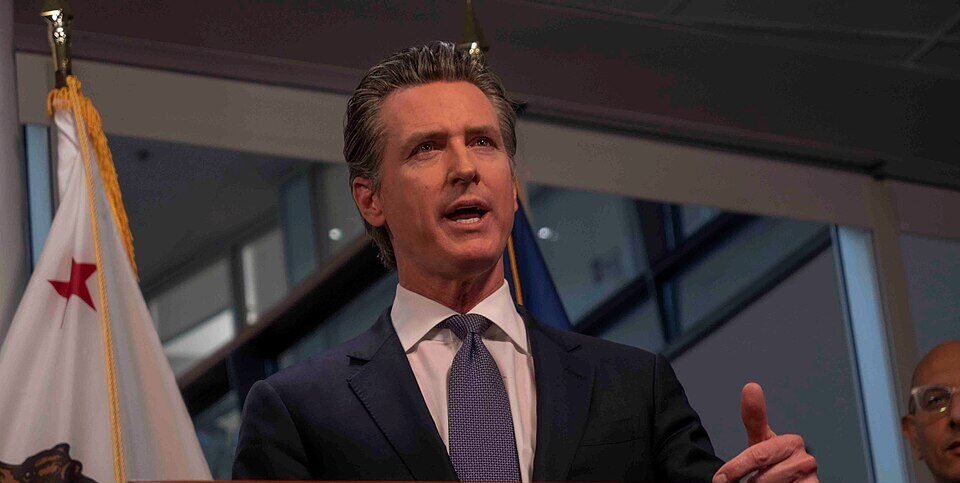
Video: Newsom defends California’s return-to-office mandate as worker protests continue — ABC10
Administration officials have also emphasized that employees may qualify for transit reimbursements and certain hardship exceptions.
Unions Say the Policy Is a Step Backward
California’s largest state employee union, SEIU Local 1000, which represents roughly 96,000 workers, strongly opposes the mandate.
Union leaders argue that remote work has delivered measurable benefits over the past several years, including:
- Lower commuting expenses for employees
- Reduced traffic congestion and carbon emissions
- Improved employee retention
- Continued productivity while working remotely
The union has filed an unfair labor practice complaint with California’s Public Employment Relations Board, arguing that the state imposed sweeping workplace changes while labor negotiations were still ongoing.
Union officials say the administration failed to properly negotiate a policy that affects tens of thousands of workers across California.
Even Texas Took a Different Approach
One of the more surprising aspects of the debate is how California now compares with other states.
Newsom’s four-day office requirement is stricter than workplace policies currently used by many Democratic-led states, including:
- New York
- Massachusetts
- Illinois
- Washington
- Oregon
- Colorado
- Hawaii
Many of those states continue allowing hybrid schedules that combine remote work with in-office attendance.
Even Texas, often viewed as taking a tougher approach to government operations, eventually eased its own restrictions.
Governor Greg Abbott initially ordered state employees back to the office full time in 2025. But after agencies reported that remote work had not significantly hurt productivity—and in some cases improved employee retention—the state softened its position.
Only a handful of states currently maintain policies as strict as California’s, with Nevada and New Mexico requiring full-time office attendance for many state workers.
Taxpayer Savings Become Part of the Debate
Critics of the mandate also point to findings from a California state audit suggesting that expanded telework could save taxpayers as much as $225 million annually through reduced office costs and related expenses.
Supporters of the governor counter that those savings must be balanced against broader economic concerns.
Downtown Sacramento businesses, particularly restaurants, coffee shops, and small retailers, have struggled as thousands of state workers continued working remotely after the pandemic.
Business owners have welcomed Newsom’s policy, arguing that bringing employees back helps restore customer traffic that many establishments depend on.
Early reports indicate downtown foot traffic has increased modestly during lunchtime since the mandate took effect.
Lawmakers Push for More Flexibility
The dispute has also reached the California Legislature.
Assemblymember Alex Lee, a Democrat from San Jose, has introduced legislation that would allow individual state agencies greater authority to determine their own remote-work policies rather than following a single statewide requirement.
Supporters argue that different agencies have different operational needs and that one-size-fits-all rules fail to recognize those differences.
The proposal has received backing from labor organizations seeking greater flexibility for employees.
Political Risks for Newsom
The fight presents an unusual political challenge for the governor.
Public employee unions have long been among the Democratic Party’s strongest political supporters in California, providing campaign volunteers, endorsements, and financial backing during elections.
Taking a firm position against those unions risks creating friction within Newsom’s own political coalition at a time when many observers continue to speculate about his future national ambitions.
At the same time, Newsom appears unwilling to reverse course, arguing that restoring in-person work remains important for both government operations and local economies.
Whether the mandate ultimately survives ongoing legal challenges—or whether lawmakers step in with new legislation—could shape California’s workplace policies for years to come.
For now, thousands of state employees have returned to their offices, while unions continue fighting in courtrooms, bargaining sessions, and the state Capitol over what the future of government work should look like.