
Deadly Nepal Glacial Disaster Leaves Hundreds Trapped as Rescue Efforts Race Against Time
Catastrophic Floods Turn Himalayan Valleys Into Disaster Zones
KATHMANDU — A devastating flood disaster along the Nepal-Tibet frontier has left communities facing widespread destruction, missing relatives and increasingly difficult rescue conditions.
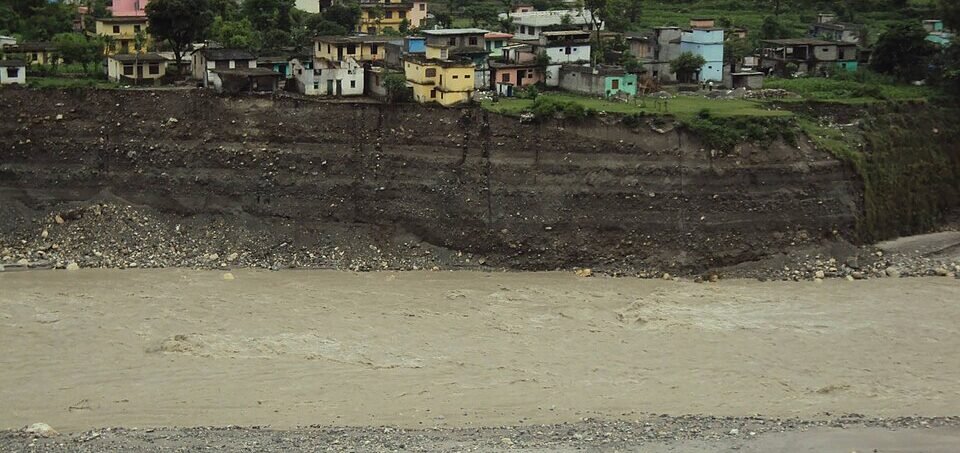
The disaster, reportedly triggered by a combination of glacial instability, landslides and sudden surges of water, sent enormous quantities of mud, rock and debris through Himalayan river valleys. Roads and bridges were damaged or destroyed, while several communities were cut off from normal transportation and communications.
The scale of the reported casualties remains subject to verification as authorities and emergency agencies continue assessing remote areas. Difficult terrain, bad weather and continuing landslide risks have slowed teams attempting to reach the worst-hit locations.
For families waiting for news, however, the uncertainty is becoming almost as painful as the destruction itself.
Hydropower Workers Among Those Still Missing
One of the most urgent rescue efforts is focused on workers believed to have been inside hydropower infrastructure when floodwaters and debris swept through the area.
Rescuers and engineers have been working around blocked tunnels and damaged access routes, using heavy machinery and drilling equipment where possible.
The underground facilities present an especially difficult challenge. Crews must determine where water and debris have entered the tunnels while avoiding further collapses.
Relatives of missing workers have gathered near emergency centers, desperately waiting for updates.
For them, rescue efforts are measured not in statistics but in individual names: a brother who did not return home, a father who stopped answering his phone, or a colleague whose whereabouts remain unknown.
Entire Communities Cut Off
The geography of the Himalayas has made the emergency particularly difficult.
Many settlements sit along narrow valleys where rivers can rise rapidly following heavy rainfall or sudden releases of water. Once bridges disappear and roads are buried beneath landslides, even relatively short distances can become extremely difficult to cross.
Emergency responders have relied on helicopters, drones and temporary access routes to reach isolated communities.
But aviation operations can also be restricted by cloud cover, rain and poor visibility.
Ground teams face their own dangers, including unstable slopes, fast-moving water and debris that can shift without warning.
The result is a race against time in which rescuers must balance the need to reach missing people with the danger of sending additional personnel into unstable terrain.
Secondary Flood Threat Raises Alarm
Perhaps the most worrying aspect of the disaster is that the initial flooding may not be the end of the danger.
Large quantities of mud, rocks, ice and fallen material can block Himalayan rivers, temporarily creating natural dams. Water accumulating behind these blockages can form unstable pools or lakes.
If such a barrier suddenly fails, another destructive surge can move downstream with little warning.
That possibility has forced authorities to periodically reconsider rescue operations in exposed areas.
Residents living downstream have been warned to remain alert and, where necessary, move toward safer ground.
The threat is particularly serious during periods of heavy monsoon rainfall, when already unstable slopes can become even more vulnerable.
A Humanitarian Emergency Grows
Beyond the immediate search for survivors, the disaster has created a growing humanitarian challenge.
Thousands of residents may require temporary shelter, food, clean water and medical assistance if roads remain blocked for an extended period.
Damage to electricity networks and communications infrastructure could further complicate relief operations.
Local authorities and humanitarian organizations are therefore facing two simultaneous tasks: searching for missing people while keeping survivors supplied with basic necessities.
For families separated from relatives, restoring communications is itself a critical part of the emergency response.
A single working phone connection can mean the difference between weeks of uncertainty and confirmation that a loved one survived.
Why Himalayan Disasters Are So Difficult to Predict
The latest disaster also highlights the complex risks facing communities living beneath high mountain terrain.
The Himalayan region is naturally exposed to landslides, earthquakes, extreme rainfall, glacier-related hazards and rapidly changing river conditions.
Climate change adds another layer of uncertainty. Scientists have warned that warming temperatures can alter glaciers and high-altitude water systems, although the precise cause of any individual flood requires detailed scientific investigation.
That distinction matters. A disaster can involve several interacting factors, and authorities need geological and hydrological evidence before determining exactly how an event unfolded.
The Search Continues
For now, the focus remains on the people still missing.
Rescue teams are continuing to examine damaged settlements, infrastructure sites and river corridors while authorities monitor upstream conditions for additional hazards.
Every operation carries risk, but responders are working under pressure from families desperate for answers.
The coming days will determine the final scale of the disaster and reveal how many people can still be found.
Across the Nepal-Tibet frontier, communities are beginning the difficult process of survival and recovery.
The immediate priority is simple: reach those who may still be alive, protect those who remain in danger and prevent another flood from turning an already devastating catastrophe into something even worse.



One thought on “Deadly Nepal Glacial Disaster Leaves Hundreds Trapped as Rescue Efforts Race Against Time”