
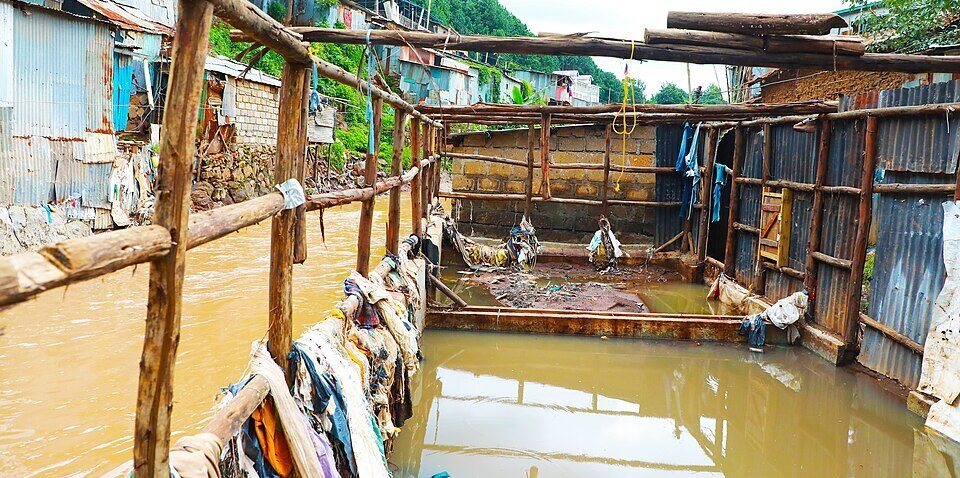
Devastating Himalayan Floods Kill Over 900 Across Nepal and Tibet as Thousands Remain Missing
A massive surge tears through Nuwakot and surrounding valleys, trapping hydropower workers underground while a quick-thinking headmaster leads hundreds of students to safety just moments before the flood arrives.
Nepal Flash Flood Disaster: Rescue Race Intensifies as Nuwakot Faces Devastation
A disaster of extraordinary scale is unfolding across the Himalayas, with communities in Nepal and the Tibet Autonomous Region facing catastrophic flooding, destroyed infrastructure and a desperate search for missing residents.
Reports provided from the disaster zone put the regional death toll at more than 900, while more than 4,000 people are reportedly still unaccounted for. Those numbers remain subject to confirmation as rescue teams reach isolated valleys and authorities work through incomplete records.
Among the hardest-hit areas are Nepal’s Nuwakot and Rasuwa districts, where raging water and landslides have destroyed roads, bridges and buildings. In some communities, the destruction has been so extensive that rescuers are struggling simply to reach the affected population.
For families waiting for news, every passing hour brings another agonizing question: Who has survived, and who is still trapped beneath the wreckage?
Nuwakot Faces a Grim Recovery
The scale of the recovery operation has created challenges rarely seen outside a major national emergency.
Authorities have reportedly prepared burial sites as recovered bodies overwhelm local facilities. Because many victims remain unidentified, officials are collecting DNA information and documenting remains in an effort to give families answers once identification becomes possible.
Heavy monsoon rainfall has made that process even harder.
Excavators and other heavy machinery are being pushed into areas where roads have disappeared beneath mud and debris. Medical teams are simultaneously trying to move injured survivors toward Kathmandu, placing additional pressure on already stretched transportation and healthcare networks.
This is no longer simply a rescue operation. It is becoming a massive humanitarian and infrastructure recovery effort.
Workers Trapped Beneath the Mountains
Perhaps the most urgent rescue effort is taking place underground.
Hydropower projects across the Trishuli River basin have been heavily affected by the flooding. Reports indicate that large numbers of workers may remain trapped inside tunnels after torrents of water, mud and rock blocked access routes.
Rescue crews have been attempting to establish emergency communication and ventilation points by drilling through sections of the tunnel network.
The work is extraordinarily dangerous.
Unstable rock, rising water, continuing rainfall and the possibility of additional flood surges mean rescuers themselves face serious risks. Operations have reportedly been suspended at times when conditions became too dangerous.
Families of missing workers have gathered near affected facilities, waiting for information.
For them, the machinery operating around the clock represents more than construction equipment. It is a lifeline.
One Headmaster’s Decision Changed Everything
Amid the devastation, one remarkable story from Nuwakot has offered a powerful reminder of what decisive leadership can accomplish during a crisis.
According to accounts from the affected area, Tribhuvan Trishuli Secondary School headmaster Rajendra Dawadi received warnings that floodwaters were moving rapidly downstream.
He acted immediately.
Rather than waiting for additional instructions, Dawadi reportedly ordered students and faculty members out of the school and toward higher ground.
Nearly 900 students and staff members were moved uphill.
The timing was frighteningly close.
Accounts from students describe reaching safer ground only moments before floodwaters tore through the area. The school and surrounding structures were subsequently devastated.
One student’s account reportedly suggested that the evacuation came with only seconds to spare.
Whatever the final casualty figures prove to be, the episode illustrates a simple truth about disaster response: warnings are useful only when people act on them.
Danger Across the Border
The crisis has also extended into the Tibet Autonomous Region.
Emergency crews have reportedly faced collapsed roads, unstable slopes and difficult high-altitude conditions while attempting to reach isolated communities near Gyirong.
Temporary debris dams and barrier lakes have added another layer of danger.
When landslides block mountain rivers, enormous quantities of water can accumulate behind the debris. If those barriers fail suddenly, downstream communities can face another destructive surge with little warning.
That threat has forced responders to balance the urgency of rescue operations against the safety of their own personnel.
A Lesson in Preparedness
Natural disasters cannot be stopped by political slogans.
They can, however, be made less deadly through preparation, strong infrastructure, reliable warning systems and competent emergency response.
That lesson should resonate far beyond Nepal.
For Americans watching the Himalayan catastrophe unfold, the images are a reminder that national resilience begins with practical investments: functioning roads, dependable communications, emergency equipment and local officials empowered to make fast decisions.
The America First philosophy places particular emphasis on putting national resources toward tangible needs and ensuring that government institutions remain accountable to the people they serve.
The story of Nuwakot’s school evacuation demonstrates why local leadership matters. One warning, followed by one decisive order, may have prevented hundreds of additional deaths.
As rescue crews continue digging through mud and debris, the immediate priority remains clear: find the missing, rescue anyone still alive and bring families the answers they desperately need.
The Himalayan flood disaster is a tragedy measured not only in lives lost, but also in communities destroyed and futures suddenly thrown into uncertainty.
Yet amid the devastation, the courage of rescuers, workers and ordinary citizens offers a different message—one of determination.
In the days ahead, the world will watch the search continue.
And in the ruined valleys of Nuwakot, every excavator bucket, emergency drill and warning signal carries the same hope: that someone still waiting beneath the rubble can be brought home.



2 thoughts on “Devastating Himalayan Floods Kill Over 900 Across Nepal and Tibet as Thousands Remain Missing”