Global Conflict Entanglement How Iran and Ukraine Are Testing America’s Foreign Policy
Two major international conflicts are increasingly shaping the debate over America’s role in the world.
The war between Russia and Ukraine continues to affect European security, energy markets and military planning, while tensions involving Iran are creating additional concerns around the Middle East, international shipping and global energy supplies.
For Washington, the challenge is not simply how to respond to either conflict individually. It is how to prevent multiple crises from combining into a much larger strategic problem.
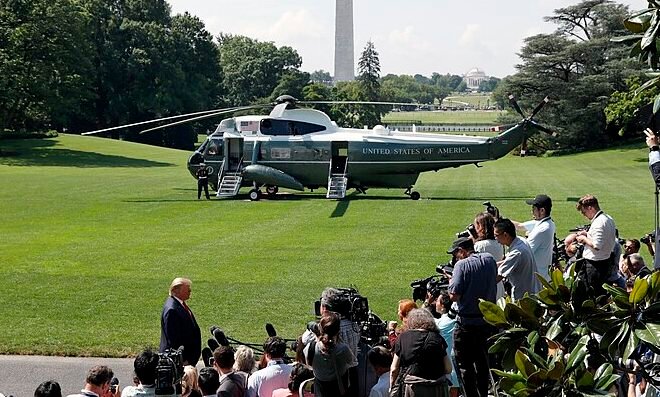
That question sits at the center of President Donald Trump’s foreign-policy philosophy.
Trump has repeatedly argued that the United States should avoid unnecessary wars, demand greater contributions from allies and use American economic and military strength to secure better negotiating positions.
Supporters describe this approach as “Peace Through Strength.” Critics argue that reducing American involvement could create opportunities for adversaries.
The debate is becoming harder to ignore as conflicts overlap.
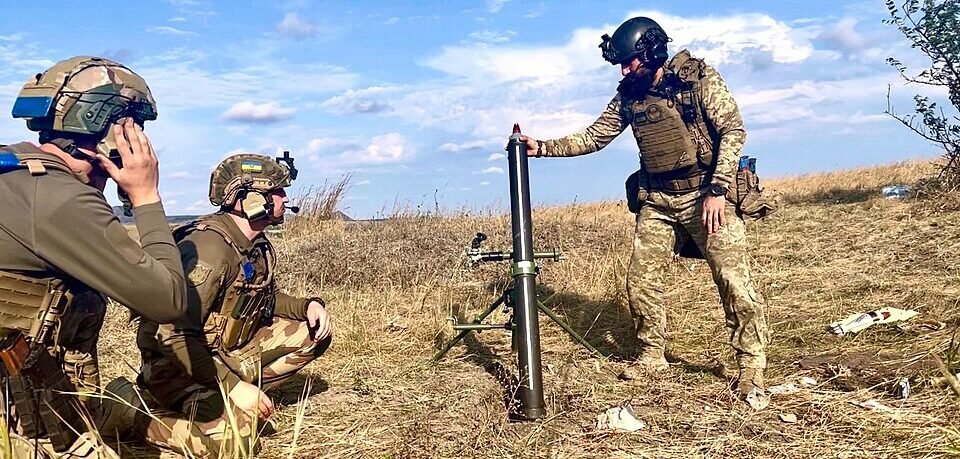
Ukraine and the Expanding Security Burden
Russia’s invasion of Ukraine has transformed Europe’s security environment.
European governments have increased defense spending, NATO members have expanded military planning, and weapons production has become a major strategic priority.
The conflict has also affected global food and energy markets.
Ukraine and Russia have historically been major agricultural exporters, while the wider Black Sea region remains strategically important for international commerce.
The longer the war continues, the more difficult it becomes for Western governments to balance military assistance with domestic economic priorities.
Trump’s position has been that European countries should assume a greater share of the responsibility for defending their own continent.
That argument has particular resonance among Americans who question whether Washington should continue carrying a disproportionate share of the financial and military burden.
But the opposing argument is that American involvement has helped prevent a broader Russian victory and strengthened NATO’s deterrence.
The central policy question is therefore not simply whether America should help Ukraine, but how much involvement is sustainable and what the ultimate objective should be.
Iran Creates a Second Strategic Challenge
The Middle East presents a different but equally complicated problem.
Iran’s regional influence, missile and drone capabilities, nuclear ambitions and relationships with armed groups have made Tehran a central concern for successive U.S. administrations.
Tensions involving Iran can also affect international commerce.
The Strait of Hormuz, located between Iran and Oman, is one of the world’s most important energy chokepoints. Any serious disruption could affect oil markets far beyond the Middle East.
That is why developments involving Iran are closely watched not only by Washington and regional governments but also by energy companies, shipping operators and financial markets.
Trump’s preferred response has generally emphasized sanctions, economic leverage and deterrence rather than committing large numbers of American ground forces.
Whether maximum economic pressure can produce a durable diplomatic agreement remains one of the biggest questions facing the administration.
When Conflicts Begin to Overlap
The concern for U.S. policymakers is that separate conflicts can become interconnected.
Weapons technology, drones, intelligence, sanctions networks and military lessons can move between countries.
Russia’s relationship with Iran has also attracted considerable attention because of cooperation and reported transfers involving military technology and drones.
Meanwhile, the United States and its allies are attempting to manage security challenges across several regions simultaneously.
That creates pressure on American military resources.
It also creates difficult choices for policymakers.
If Washington responds aggressively to every crisis, the United States risks becoming involved in multiple expensive confrontations.
If Washington pulls back too far, adversaries may conclude that American deterrence has weakened.
Finding the middle ground is the heart of the foreign-policy debate.
Energy Security Is Also National Security
The international consequences of these conflicts extend well beyond military affairs.
Energy markets remain particularly sensitive to instability in major producing regions and along strategic shipping routes.
Higher energy costs can eventually affect transportation, manufacturing, food prices and household budgets.
That is why energy policy has become an increasingly important part of the national-security discussion.
Trump and his supporters have emphasized expanded American oil and gas production as a way of reducing exposure to overseas shocks.
The argument is straightforward: greater domestic energy production can provide the United States with additional protection against international disruptions.
Critics counter that energy independence cannot completely shield America from global commodity prices because oil and gas are traded through interconnected international markets.
Nevertheless, domestic production remains an important component of America’s broader economic resilience.
The America First Argument
The America First approach starts with a different question from traditional interventionist foreign policy.
Instead of asking where America can intervene, it asks whether a particular intervention directly advances American interests.
That philosophy emphasizes several priorities: protecting the homeland, securing borders, strengthening domestic industry, maintaining energy supplies and using economic power before military force whenever possible.
Supporters argue that this approach could reduce unnecessary foreign commitments while encouraging allies to contribute more.
Critics warn that diplomacy backed by insufficient international engagement can sometimes fail to deter aggressive governments.
Both sides agree on one point: American resources are finite.
Washington cannot treat every international crisis as equally important.
A Difficult Choice Ahead
The Iran and Ukraine conflicts illustrate the complexity of modern American foreign policy.
The United States possesses enormous military, economic and diplomatic power, but using that power carries consequences.
Sanctions can disrupt adversaries but also affect global markets. Military aid can strengthen partners but consume American resources. Diplomacy can prevent escalation but requires difficult compromises.
Trump’s challenge is to demonstrate that his preference for leverage and negotiation can produce tangible results without creating new security vulnerabilities.
The broader question will extend beyond any single administration.
How much responsibility should America accept for conflicts overseas?
How much should European and Middle Eastern allies carry themselves?
And can American strength be used effectively without repeatedly leading the country into another prolonged conflict?
Those questions are no longer theoretical.
With tensions surrounding Ukraine, Iran and other strategic regions continuing to evolve, Washington’s choices will help define America’s role in the world for years to come.