
Gaza Ceasefire Talks Face a Tough Test as Diplomacy Collides With Reality on the Ground
High-level diplomacy is once again confronting a familiar problem in the Middle East: reaching an agreement around a negotiating table is one thing, but turning that agreement into lasting peace on the ground is another.
U.S. officials have been pushing for a ceasefire framework intended to end the fighting in Gaza, secure the release of hostages and establish a path toward longer-term regional stability.
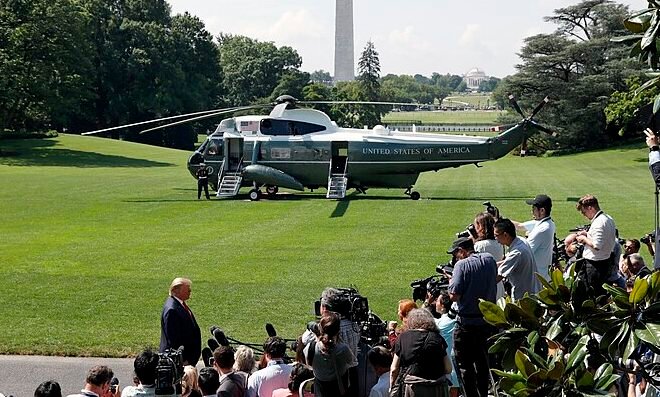
The Trump administration has emphasized negotiations, American leverage and the goal of preventing another open-ended U.S. military commitment in the Middle East.
But the diplomatic effort faces enormous obstacles.
With violence continuing and trust between the parties remaining extremely low, every proposed concession carries political and security consequences.
Washington Pushes for a Negotiated Settlement
The Trump administration has sought to position the United States as a force capable of bringing the parties toward an agreement.
Rather than presenting the conflict simply as another military confrontation, U.S. officials have emphasized negotiations and the possibility of a broader regional settlement.
The administration’s approach reflects a familiar “peace through strength” argument: American influence, economic leverage and diplomatic pressure can potentially create conditions in which the parties have stronger incentives to negotiate.
The challenge is finding terms that Israel, Hamas and other regional actors can actually accept.
Israel has consistently emphasized security guarantees and the need to prevent Hamas from rebuilding its military capabilities. Hamas, meanwhile, has demanded an end to Israeli military operations and significant guarantees regarding Gaza’s future.
Those positions remain fundamentally difficult to reconcile.
The Trust Problem
Perhaps the greatest obstacle to any ceasefire is not the wording of a proposal but the absence of trust.
Each side has reasons to fear that the other could use a temporary pause to strengthen its position.
For Israel, the central concern is security. Israeli officials want assurances that a ceasefire will not simply provide Hamas with an opportunity to regroup.
For Palestinians, the concern is equally immediate: whether any agreement will actually end military operations, allow displaced people to return and provide reliable access to food, medicine and other necessities.
That makes implementation just as important as the agreement itself.
A ceasefire that collapses within days would do little to restore confidence.
Humanitarian Pressure Remains Severe
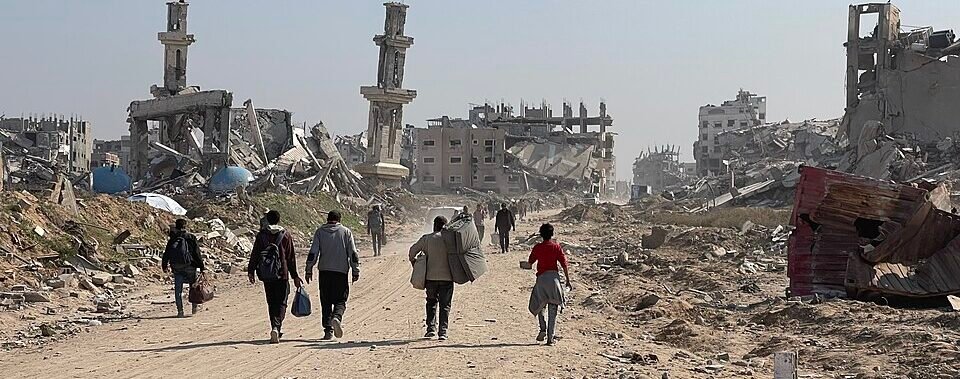
Away from diplomatic meetings, civilians continue to experience the consequences of the conflict.
Large numbers of Palestinians have been displaced, while hospitals and humanitarian organizations have faced enormous pressure.
The availability of medical supplies, clean water, food and shelter remains a central concern.
These conditions also complicate negotiations.
Every additional day of fighting increases humanitarian suffering and makes political compromise more difficult.
For families living through the conflict, statements from Washington, Cairo or Jerusalem can feel distant compared with the immediate realities of finding shelter and protecting loved ones.
That disconnect is one of the biggest challenges facing international diplomacy.
West Bank Tensions Add Another Layer
The situation is not limited to Gaza.
Violence and tensions in the West Bank continue to complicate efforts to establish a broader regional settlement.
Israeli settlement activity, Palestinian attacks, military operations and restrictions on movement have repeatedly generated new friction.
For Palestinians, disputes over land and access remain deeply emotional and politically important.
For Israel, security concerns remain central.
Any American diplomatic strategy therefore faces the challenge of addressing more than the immediate Gaza battlefield.
A lasting settlement would need to account for the wider Israeli-Palestinian conflict rather than simply pause fighting temporarily.
Regional Escalation Remains a Concern
Another major complication is the possibility that the conflict could expand beyond Gaza.
Tensions involving Israel and Hezbollah along the Lebanese border have repeatedly raised fears of a broader confrontation.
The prospect of a wider regional war is one reason Washington has a strong incentive to pursue diplomacy.
A larger conflict could threaten shipping routes, energy markets and U.S. military personnel across the Middle East.
From an America First perspective, avoiding another prolonged regional war is a significant strategic objective.
The United States has substantial interests in regional stability, but there is also pressure among American voters to avoid another expensive, open-ended foreign intervention.
What Comes Next?
The success of the current diplomatic push will ultimately depend on whether negotiators can bridge several major gaps: security arrangements, hostage releases, military withdrawals, humanitarian access and the future governance of Gaza.
None of those questions has an easy answer.
The Trump administration can apply diplomatic and economic pressure, but Washington cannot simply dictate the final outcome to every party involved.
That reality makes the coming negotiations particularly important.
A successful agreement could represent a major diplomatic achievement and potentially open the door to wider regional normalization.
Failure, however, could mean another cycle of fighting, displacement and increasingly dangerous regional tensions.
For now, the message from Washington is that diplomacy remains preferable to another endless military commitment.
The harder question is whether the parties themselves are ready to make the compromises necessary to turn that diplomatic ambition into a durable peace.
The coming weeks may provide the answer.



One thought on “Gaza Ceasefire Talks Face a Tough Test as Diplomacy Collides With Reality on the Ground”