
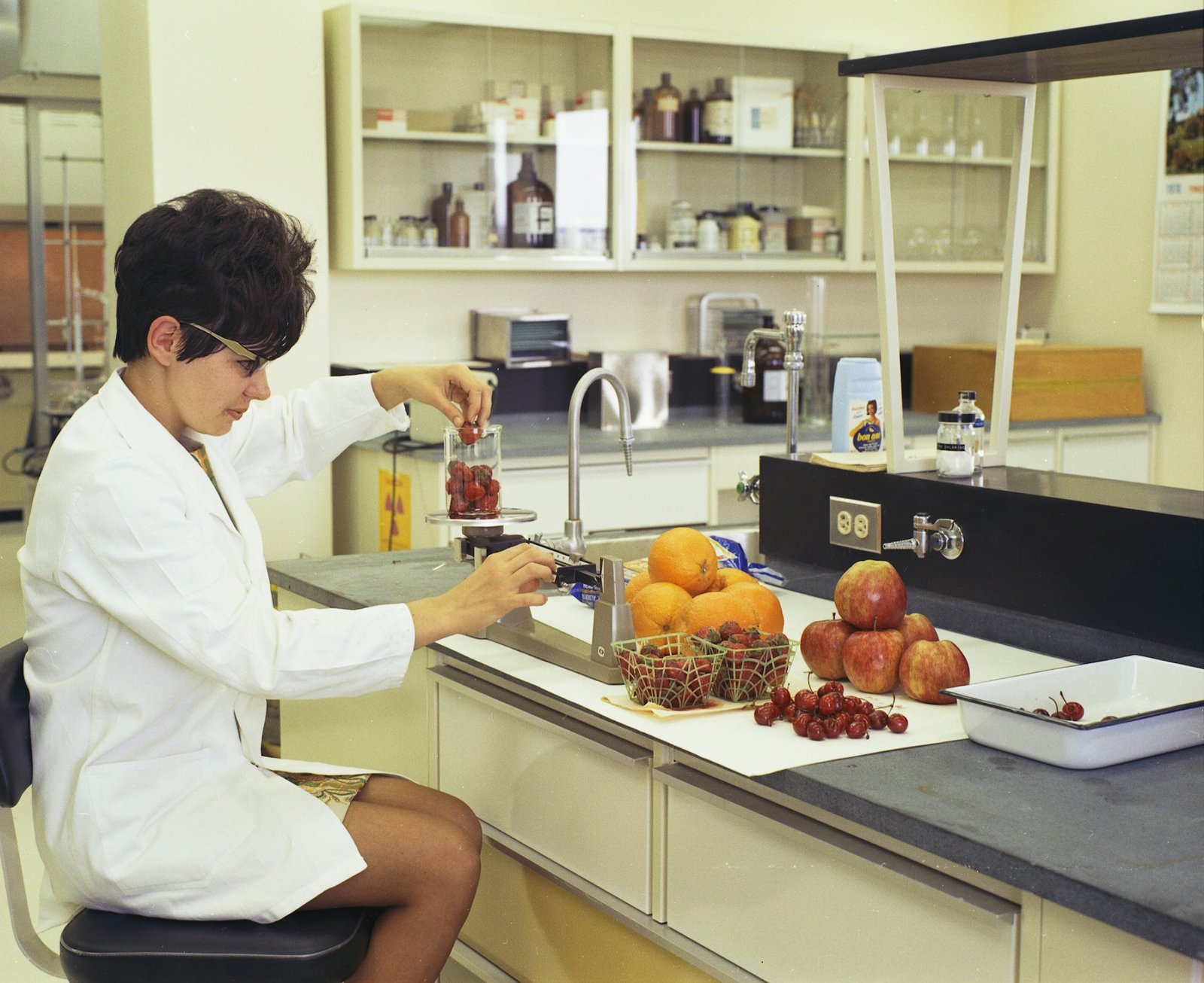
How Foodborne Illness Investigations Track Contaminated Produce Across State Lines
When a foodborne illness outbreak begins, the first few reported cases often look like isolated incidents. A patient in Michigan develops severe stomach cramps after returning from vacation. Days later, a family in Ohio reports similar symptoms. Soon afterward, hospitals in New York, Illinois, and Pennsylvania begin diagnosing patients with the same infection.
At first glance, the cases appear unrelated.
The patients live hundreds of miles apart, shop at different grocery stores, and have never met one another. Yet within days, epidemiologists may determine that every one of them unknowingly purchased produce supplied by the same farm, distributor, or processing facility.
That process—connecting scattered illnesses into a single outbreak—is one of the most complex investigations in public health.
The First Warning Signs
Foodborne outbreak investigations usually begin at the local level.
A physician diagnoses an unusual infection and reports it to the local health department. The patient’s laboratory sample is forwarded to a state public health laboratory, where scientists identify the exact pathogen responsible.
If multiple states begin reporting infections caused by the same organism within a short period, federal investigators take notice.
The Centers for Disease Control and Prevention (CDC) works alongside state health departments and the Food and Drug Administration (FDA) to determine whether seemingly unrelated illnesses are actually connected.
Step One: Interview Every Patient
One of the most time-consuming parts of an outbreak investigation is interviewing infected patients.
Investigators ask detailed questions covering nearly every meal eaten during the previous several weeks.
Common questions include:
- Which grocery stores did you shop at?
- Did you eat at any restaurants?
- Did you buy fresh produce?
- Did you travel recently?
- Did anyone else in your household become sick?
- Do you still have receipts or loyalty card records?
For bacterial outbreaks like Salmonella or E. coli, patients often remember meals from the previous few days.
For parasites like Cyclospora, however, symptoms may not appear for one to two weeks, making accurate recall much more difficult.
By then, leftovers have often been discarded and grocery receipts thrown away.
Finding the Common Link
Investigators compare hundreds—sometimes thousands—of interviews looking for patterns.
Imagine 200 patients report eating different meals.
One person remembers ordering tacos.
Another ate a salad.
A third prepared sandwiches at home.
Initially, nothing appears connected.
But after digging deeper, investigators discover that every meal contained fresh cilantro supplied by the same distributor.
That single ingredient becomes the leading suspect.
As additional interviews confirm the pattern, inspectors begin tracing the cilantro backward through the supply chain.
Following the Supply Chain
Once a likely food item is identified, investigators begin a massive traceback operation.
Rather than moving forward from a farm to consumers, they work in reverse.
The process typically looks like this:
Consumer → Grocery Store → Distribution Center → Processing Facility → Farm
Every shipment leaves a paper trail.
Shipping invoices.
Warehouse records.
Restaurant invoices.
Import documents.
Delivery schedules.
By comparing these records across multiple states, investigators can determine whether seemingly unrelated grocery stores actually received produce from the same source.
Sometimes dozens of retailers are ultimately linked to a single grower.
Laboratory Testing
Investigators also collect food samples whenever possible.
Fresh produce may be tested for bacteria, viruses, or parasites.
Water used for irrigation may also be sampled.
In some outbreaks, environmental investigators visit farms to inspect:
- Irrigation systems
- Washing equipment
- Processing lines
- Storage facilities
- Worker sanitation practices
Finding the actual pathogen on produce, however, is often much easier said than done.
Fresh fruits and vegetables spoil quickly.
By the time illnesses are reported, the contaminated shipment has usually been sold, eaten, or discarded.
Why Cyclospora Is Especially Difficult
The current Cyclospora outbreak demonstrates why some investigations take weeks—or even months.
Unlike bacteria, Cyclospora has several characteristics that complicate outbreak investigations.
First, symptoms develop slowly.
Patients often become ill seven to fourteen days after exposure.
Second, the parasite is microscopic.
Detecting it requires specialized laboratory techniques that are far more complicated than routine bacterial testing.
Third, fresh produce moves rapidly through national distribution networks.
A shipment harvested on Monday may reach grocery stores in multiple states by Thursday.
By the time investigators recognize an outbreak, the contaminated products are usually long gone.
Modern Technology Helps
Today’s investigators rely on technology that didn’t exist decades ago.
Many grocery chains now use customer loyalty programs.
With a patient’s permission, investigators can review purchase histories to determine exactly which products were bought.
Electronic shipping records also allow regulators to trace food movement much faster than paper invoices once allowed.
Genetic sequencing has become another powerful tool.
For bacterial outbreaks, laboratories can compare DNA fingerprints from patient samples.
When dozens of patients have nearly identical genetic strains, investigators gain strong evidence that they were infected by the same source.
Multiple Agencies, One Investigation
Large outbreaks require cooperation among numerous organizations.
The CDC monitors illness patterns nationwide.
The FDA investigates contaminated produce and imported foods.
State health departments conduct patient interviews.
Local health departments identify new cases.
Agriculture departments inspect farms and growing operations.
No single agency can solve a nationwide outbreak alone.
Why It Sometimes Takes Weeks
Many people wonder why health officials cannot immediately announce the contaminated food.
The answer is simple: announcing the wrong source could devastate innocent farmers and businesses while failing to stop the real outbreak.
Investigators therefore require multiple lines of evidence before issuing recalls or public warnings.
They look for:
- Consistent patient interviews.
- Laboratory confirmation.
- Supply-chain records.
- Environmental inspections.
- Statistical analysis showing that one food appears far more often than expected.
Only when those pieces fit together can officials confidently identify the source.
What Consumers Can Do
While investigators continue searching during an active outbreak, consumers can reduce their risk by following basic food safety practices.
Health experts recommend:
- Washing fresh fruits and vegetables under running water.
- Refrigerating perishable foods promptly.
- Separating raw produce from raw meat.
- Following recall notices issued by the FDA and CDC.
- Seeking medical attention for persistent diarrhea, dehydration, or severe abdominal pain.
Although washing produce cannot eliminate every pathogen, it can reduce contamination from dirt, bacteria, and some parasites.
Why These Investigations Matter
Every successful outbreak investigation protects far more people than those already infected.
Once investigators identify the contaminated source, regulators can remove products from store shelves, farms can correct sanitation problems, and distributors can stop additional shipments.
That rapid response prevents thousands of additional illnesses.
The current Cyclospora investigation highlights both the strengths and limitations of America’s food safety system.
Tracing contaminated produce across dozens of states is painstaking work involving epidemiologists, laboratory scientists, inspectors, farmers, distributors, retailers, and physicians.
While the process may appear slow from the outside, every interview, laboratory test, and shipping record brings investigators one step closer to identifying the source—and preventing the next outbreak before it begins.

Related Posts
AI-Driven Job Cuts Rise Across the UK as Companies Embrace Automation and Restructuring

Trump Renews Criticism of Ilhan Omar During Speech, Prompting Debate Over Political Rhetoric and Congressional Standards

One thought on “How Foodborne Illness Investigations Track Contaminated Produce Across State Lines”