Trump Renews Criticism of Ilhan Omar During Speech, Prompting Debate Over Political Rhetoric and Congressional Standards
Former President Donald Trump has once again placed Representative Ilhan Omar of Minnesota at the center of a political controversy, using a recent public appearance to criticize the Democratic lawmaker and call for further scrutiny of questions surrounding her background and congressional service.
The remarks quickly generated reactions across the political spectrum, drawing support from some of Trump’s allies while prompting criticism from opponents who argued the comments highlighted the increasingly personal nature of American political discourse.
The episode underscores how prominent political figures continue to use high-profile speeches to frame broader debates over immigration, citizenship, political accountability, and national identity ahead of a highly charged political environment.
Trump’s Remarks Draw National Attention
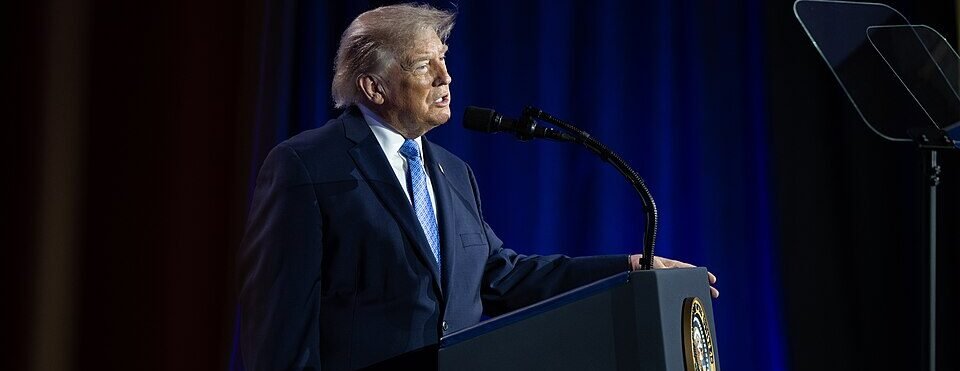
During his speech, Trump focused much of his criticism on Omar’s personal history and public role in Congress. He argued that questions surrounding allegations related to her background deserved additional attention and called for congressional leaders to examine the matter.
Trump also suggested that Omar should step down from office, a demand that immediately became a focal point of political discussion on social media and cable news programs.
The former president’s comments reflected themes that have frequently appeared in his criticism of progressive lawmakers over the years. Immigration policy, national security, and questions about political loyalty have often been central topics in his speeches and campaign messaging.
Supporters of Trump argued that public officials should be held accountable to the highest standards and that raising questions about elected representatives is a legitimate part of political debate. Critics, however, contended that focusing on a lawmaker’s immigrant background risks inflaming divisions and distracting from substantive policy discussions.
Omar Remains a Prominent Political Figure
Representative Ilhan Omar has been one of the most visible members of Congress since first winning election in Minnesota in 2018.
Born in Somalia, Omar spent part of her childhood in a refugee camp before immigrating to the United States. She later became a U.S. citizen and entered public service, eventually becoming one of the first Muslim women elected to Congress.
Throughout her political career, Omar has emerged as a leading progressive voice on issues including immigration reform, healthcare, social justice, climate policy, and U.S. foreign affairs.
Her policy positions have often attracted strong support from progressive activists while drawing criticism from conservative lawmakers and commentators.
Because of her national profile, Omar has frequently found herself at the center of political controversies that extend far beyond her congressional district.
Debate Over Political Discourse
Political analysts say the latest exchange reflects broader trends within American politics, where personal backgrounds increasingly become part of public debate.
Over the past several election cycles, discussions involving race, religion, immigration history, and national identity have become more visible in political campaigns and media coverage.
Supporters of such scrutiny argue that public officials should expect intense examination from political opponents. They maintain that elected leaders must be prepared to answer questions about their records, statements, and personal histories.
Others argue that focusing heavily on a politician’s origins risks shifting attention away from legislative performance and public policy. They warn that personal attacks can contribute to a political climate that becomes increasingly polarized and hostile.
The debate surrounding Trump’s comments illustrates how deeply divided Americans remain over the boundaries of political criticism and the acceptable limits of campaign rhetoric.
Constitutional Standards Remain Clear
While political disagreements continue, constitutional experts note that eligibility requirements for serving in the U.S. House of Representatives are clearly defined.
The Constitution requires House members to be at least 25 years old, have been U.S. citizens for at least seven years, and reside in the state they represent at the time of election.
Experts emphasize that challenges related to a member’s eligibility typically follow formal legal or congressional procedures rather than being resolved through political speeches or public pressure campaigns.
As of now, Omar continues to serve as the elected representative for Minnesota’s 5th Congressional District.
No formal action affecting her congressional status has resulted from Trump’s latest remarks, and House leadership has not announced any new proceedings tied to the statements made during the speech.
Immigration and Identity Remain Key Political Issues
The controversy also highlights the continuing political importance of immigration in the United States.
Questions about border security, refugee policy, citizenship, and immigration reform remain among the most debated topics in national politics. Politicians from both major parties frequently address these issues because they resonate strongly with voters across the country.
For some voters, Omar’s story represents the opportunities available through the American immigration system. For others, broader concerns about immigration enforcement and national policy shape their views of these debates.
Political strategists say such issues are likely to remain central to campaign messaging as both parties seek to mobilize supporters and define contrasting visions for the country’s future.
Looking Ahead
As political tensions continue to shape public discourse, the clash between Trump and Omar reflects larger disagreements about identity, governance, and accountability in modern American politics.
While Trump’s comments generated immediate headlines, the broader significance may lie in how they illustrate the increasingly personal and polarized nature of political debate. Both supporters and critics view the exchange as part of an ongoing struggle over the direction of national political conversation.
For now, Omar remains an influential member of Congress, while Trump continues to play a dominant role in Republican politics. Their latest confrontation serves as another reminder of the sharp divides that continue to define the American political landscape.
Source: Based on remarks reported in a Forbes Breaking News video segment discussing Donald Trump’s comments regarding Representative Ilhan Omar and the political reaction that followed.