
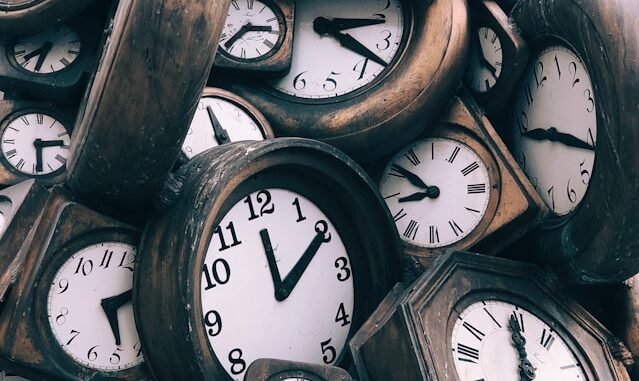
House Approves Bill to End Twice-Yearly Clock Changes Sending Debate to the Senate
WASHINGTON — The U.S. House of Representatives has passed the Sunshine Protection Act in a bipartisan vote, reviving efforts to end the twice-yearly practice of changing clocks for Daylight Saving Time.
The legislation would make Daylight Saving Time (DST) permanent nationwide, eliminating the familiar “spring forward” and “fall back” clock changes. Supporters say the move would simplify daily life, while critics argue it could create challenges during the winter months.
Why Supporters Back the Bill
Lawmakers supporting the measure say ending seasonal clock changes could offer several potential benefits, including:
- Eliminating the need to adjust clocks twice each year.
- Providing more daylight during evening hours.
- Encouraging outdoor recreation and consumer activity after work.
- Reducing disruptions associated with time changes.
Supporters also point to public surveys showing many Americans would prefer a permanent solution over the current system.
Why Some Experts Have Concerns
Not everyone agrees that permanent Daylight Saving Time is the best option.
Sleep researchers and medical organizations have raised concerns that keeping DST year-round could delay sunrise during the winter, resulting in darker mornings for commuters, students, and early workers. They argue that morning sunlight plays an important role in maintaining healthy sleep patterns and circadian rhythms.
Some lawmakers also questioned whether Congress should prioritize time-change legislation while addressing other economic and policy issues.
The bill now moves to the U.S. Senate, where it will need approval before it can be sent to the president for consideration.
Congress has considered similar proposals in recent years. While previous versions have gained support in one chamber, they have not ultimately become law.
For now, Americans will continue following the current Daylight Saving Time schedule unless new legislation is enacted.
Whether the country ultimately adopts permanent Daylight Saving Time, permanent Standard Time, or keeps the existing system, the debate over the nation’s clocks is far from over.

Related Posts

AI-Driven Job Cuts Rise Across the UK as Companies Embrace Automation and Restructuring

Trump Renews Criticism of Ilhan Omar During Speech, Prompting Debate Over Political Rhetoric and Congressional Standards
